

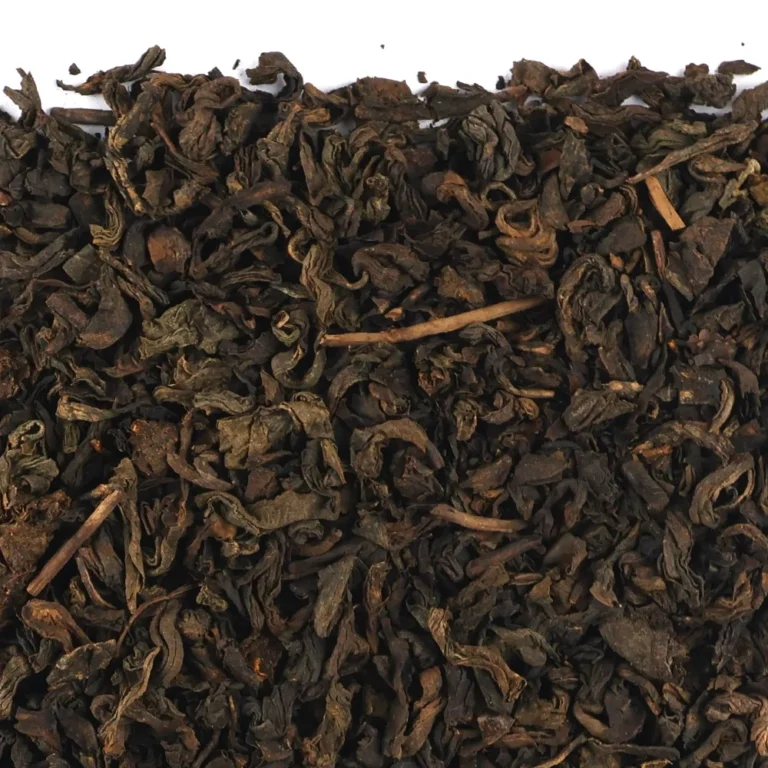
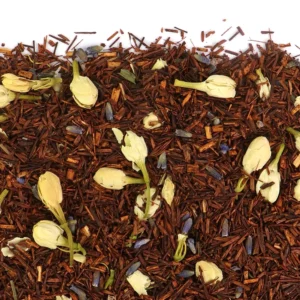


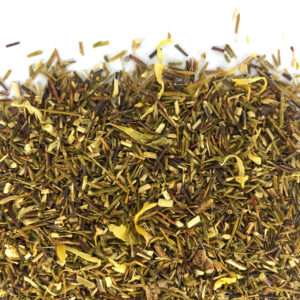
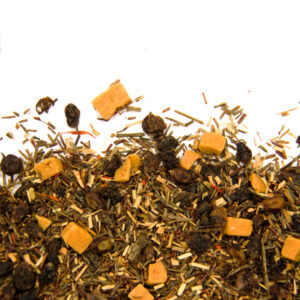

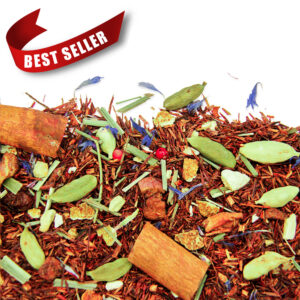
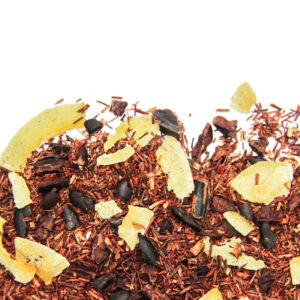
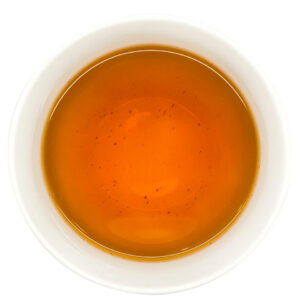
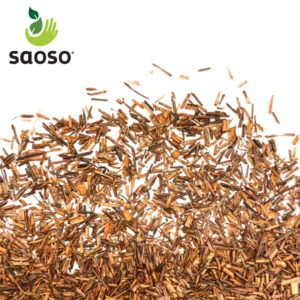
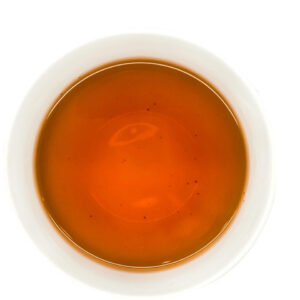
Rooibos also known as rooibos (from Afrikaans rooi – red, bos – bush) – is a beverage made by steeping dry fine-cut leaves and shoots of Aspalathus linearis plant endemic to South Africa only.
The plant has long been used by the local population of South Africa for preparing the best herbal tea.
First Hottentots and Khoekhoes, the indigenous inhabitants of those places started collecting needle-looking leaves that gave a very pleasant aromatic and healing brew. The Dutch settlers then learned about the drink and in the nineteenth century – the British lived in Cape Town. For the South African region became an everyday refreshing beverage the same way as tea and coffee became for other parts of the world. It was considered to be a refreshing, healthful, invigorating drink that improves overall health conditions. The Dutch were among the first foreigners who tried this beverage. Later it became popular all over the world. Rooibos reached the European continent at the beginning of XXND century.
Presently the red bush is being industrially cultivated in many valleys of South Africa. Annual production is about 12,000 tons; half of it is being exported. The biggest consumer outside South Africa is Germany. There were several failed attempts to cultivate rooibos in South America and Australia.
The bushes 1.5 years of age are used for production. Young leaves with twigs are plucked from the bush. Then the leaves and twigs undergo coarse grinding and then fermentation by being soaked in water and exposed to the direct sunlight for several hours. After fermentation, the leaves are oven-dried, sorted by size, and packed. Rooibos is packed exactly the same way as tea – either loose or in silk/paper bags.
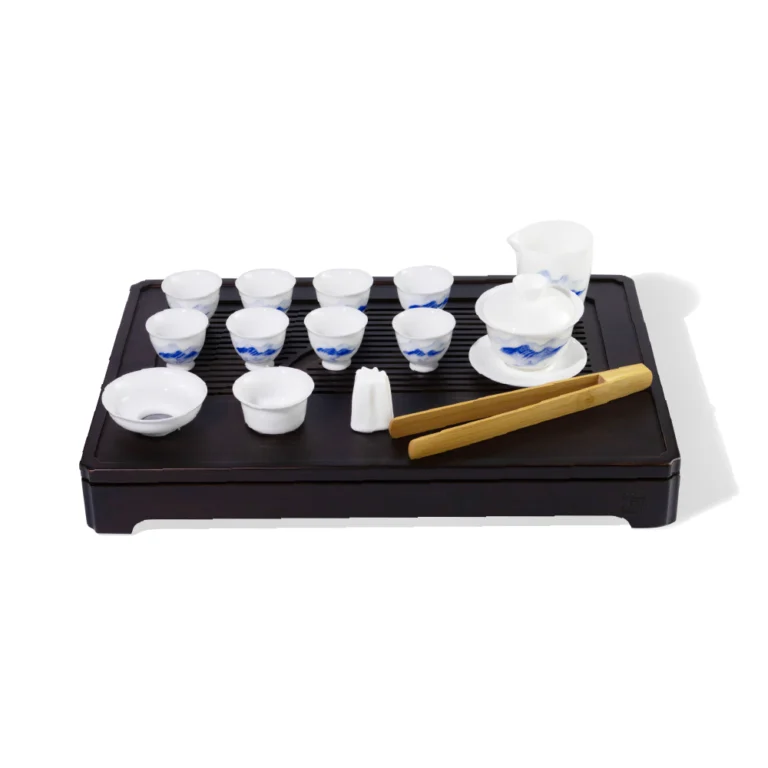
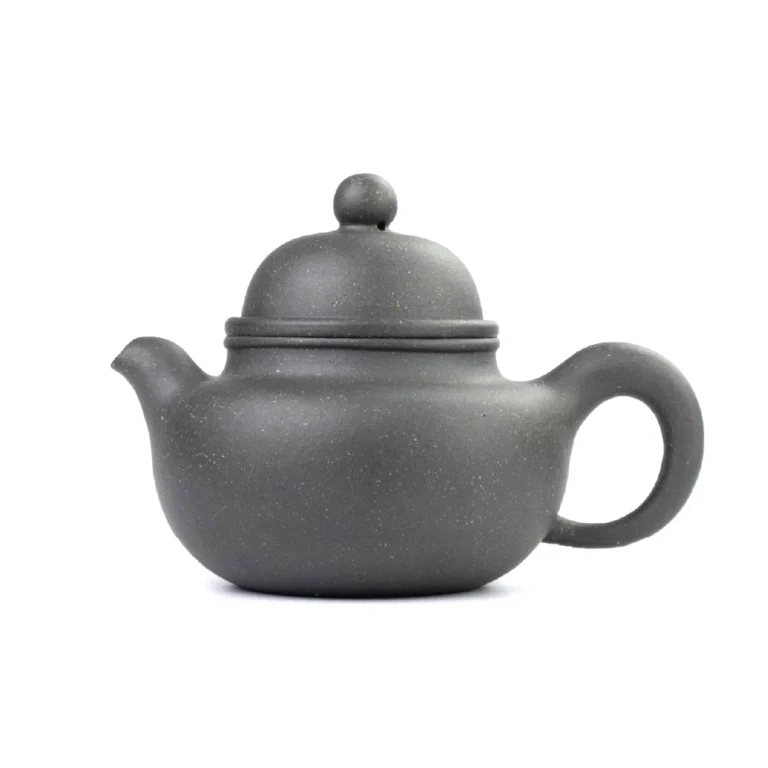
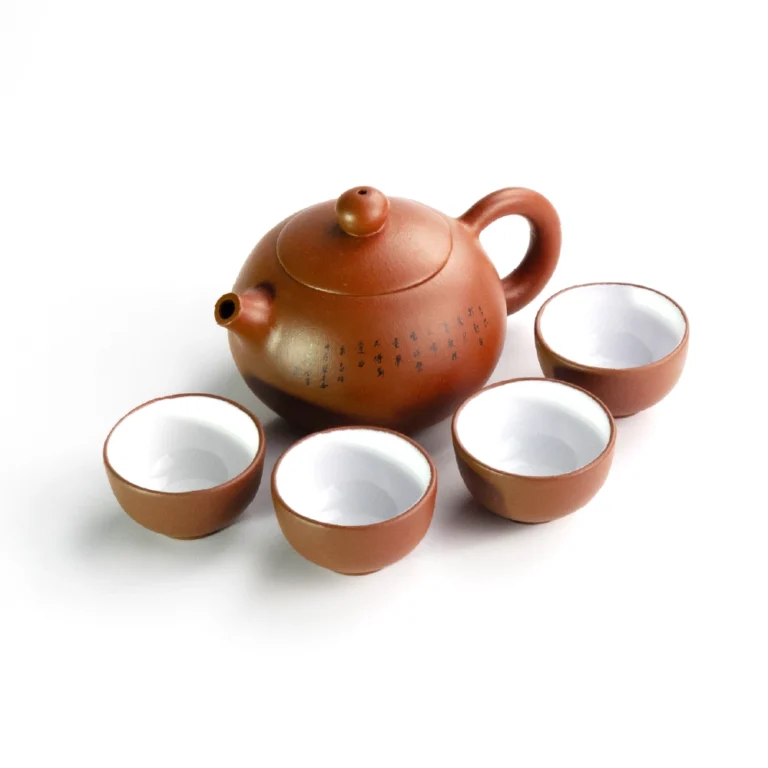
Rooibos Tea is steeped in a normal kettle (porcelain, clay, stainless still, glass). The process of brewing is very simple – pour in boiling water and steep for not less than five minutes. For better extraction, it is recommended to place the kettle in the hot oven so it does not cool down and even continue to boil – in contrast to normal tea, rooibos withstand prolonged boiling normally without being spoiled.
The dosage is the same as for tea – 1-2 teaspoons for 250 ml cup. Rooibos can be re-steeped several times without losing its flavor. Studies performed in Japan proved a high content of antioxidants in Rooibos
The mineral content of Rooibos is as follows:
1,67 mg magnesium
0,22 mg fluorine
0,04 mg manganese
7,12 mg potassium
6,16 mg sodium
1,09 mg calcium
0,04 mg zinc
0,07 mg copper
Rooibos is a good thirst quencher and tonic. In contrast to tea and coffee, rooibos contains no caffeine, so it can be used as a full or partial replacement for these drinks to whom the caffeine is contraindicated. For the same reason, rooibos is good for babies without any restrictions. The presence of glucose in Rooibos makes its taste naturally sweet and is very good for the elimination of intestinal cramps in babies.