









Most tea is brewed by steeping leaves in water, then discarding them. Matcha works differently: the entire leaf is ground into a fine powder, and when you whisk it into water, you’re drinking the whole thing — not just what water can extract from it. That’s the reason matcha has a richer, more intense flavour than standard green tea, and why a small amount goes a long way.
The powder starts life as shade-grown green tea. About three to four weeks before harvest, the plants are covered to block direct sunlight. This slows growth, deepens the green colour, and increases the concentration of chlorophyll and L-theanine — the compound responsible for matcha’s distinctive calm alertness that feels different from the sharper edge of coffee. After picking, the leaves are steamed, dried, stripped of stems and veins, and then very slowly stone-ground into powder. The grinding is deliberate: too fast generates heat, and heat degrades the flavour and colour.
This distinction comes up constantly with matcha, and it’s worth understanding before you buy.
Ceremonial grade is made from younger, more tender leaves — typically from the first harvest of the season — and ground to a finer, smoother powder. It’s designed to be whisked with hot water and drunk as-is, without milk or sweetener. The flavour is grassy, slightly sweet, with a clean umami finish and minimal bitterness. This is where the named cultivars matter: Uji Hikari comes from Uji in Kyoto prefecture, one of Japan’s most prized matcha-producing regions, and has a notably smooth, deep flavour. Gokou is a less common cultivar with a more pronounced sweetness. Yabukita is the most widely planted cultivar in Japan — reliable, balanced, and a good everyday choice.
Culinary grade uses leaves from later harvests, which gives it a stronger, slightly more bitter flavour that holds up well when paired with milk, sweeteners, or other ingredients. It’s the right choice for matcha lattes, baking, smoothies, and cooking. Using ceremonial grade in a latte isn’t wrong, but it’s expensive for something where the nuance gets lost.
If you’re unsure which to start with, ceremonial is right if you plan to drink it straight; culinary is right if you’re making lattes or cooking with it.
Houjicha is worth its own mention because it’s not matcha and doesn’t taste like it. It’s made from green tea that’s been roasted at high heat, which turns the leaves brown and transforms the flavour entirely — earthy, toasty, with a warmth closer to a light roasted coffee than a green tea. It’s also naturally lower in caffeine than matcha, which makes it a good evening option. Available here as a pure powder and as a ready-to-mix latte blend.
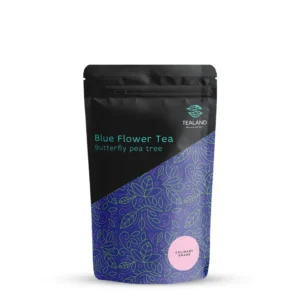
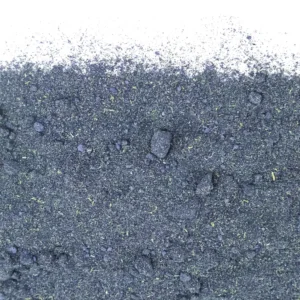
Pink Matcha and Blue Tea Powder are coloured powders made from plant sources — pink typically from rose or beetroot, blue from butterfly pea flower. They’re caffeine-free, have their own mild flavours, and are primarily used for colour in drinks and baking. They’re fun to work with but are a different product category from green matcha entirely, so it’s worth knowing that before you order.
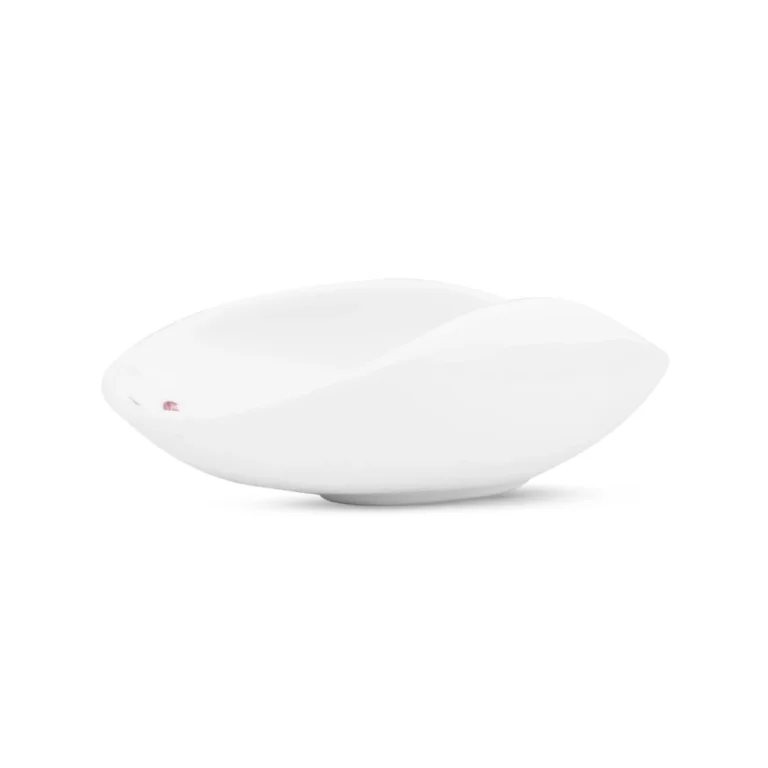
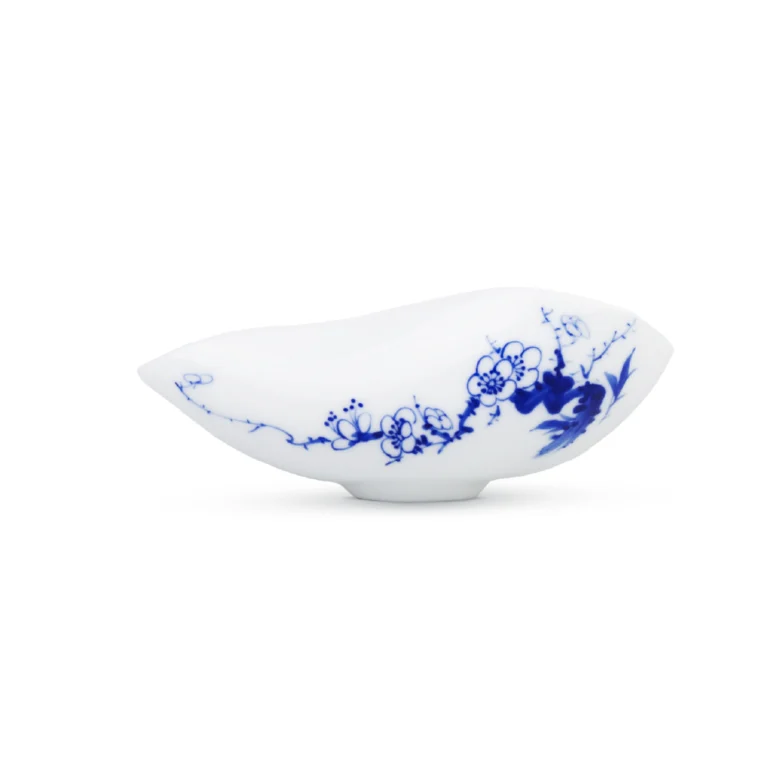
The Art of Matcha Set and Matcha Ritual Set include everything needed to get started — bamboo whisk, bowl, and scoop — which is useful if this is your first time preparing matcha properly.
The one thing most people get wrong is the water temperature. Boiling water makes matcha bitter. The right temperature is around 70–80°C — let your kettle rest for two to three minutes after boiling, or use a temperature-controlled kettle if you have one.
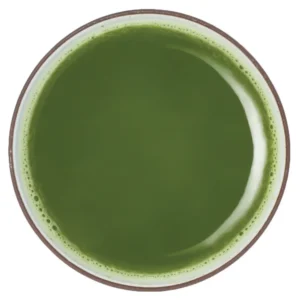
For a traditional preparation: sift about 1–2 grams of powder into a warmed bowl, add roughly 60–80ml of water, and whisk vigorously in a W or M motion until you get a smooth, frothy surface with no lumps. A bamboo chasen (whisk) gives the best result; an electric milk frother works nearly as well for everyday use.
For a matcha latte, prepare the matcha with a small amount of hot water first to dissolve the powder, then add steamed or cold milk to taste.
A. More than a cup of green tea — roughly 30–70mg per serving, depending on the amount used and grade. Less than most coffees, but enough to notice. Houjicha is significantly lower in caffeine if that’s a concern.
A. In an airtight container, away from light, heat, and strong odours. The fridge works well once opened. Matcha oxidises and loses its colour and flavour over time, so smaller quantities used regularly are better than a large tin sitting around for months.
A. You can, but it’s not necessary. The delicate flavour of ceremonial grade is wasted when baked or blended with other strong ingredients. Save it for drinking and use culinary grade for everything else.