Ginseng
Showing all 9 resultsSorted by latest
-


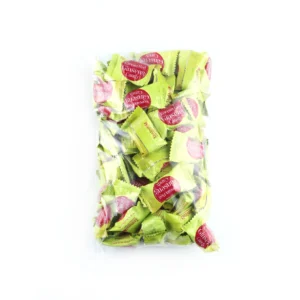
Korean Red Ginseng Candy Loose, 500 g
Gifts and Candies, Ginseng 48.30 AED Add to cart -


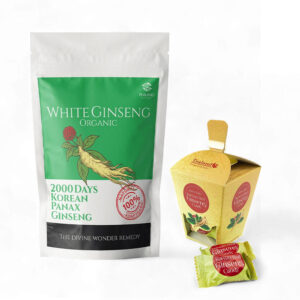
White Ginseng Bundle 100g
Ginseng 63.00 AED Add to cart -


Red Ginseng Bundle 100g
Ginseng 73.50 AED Add to cart -


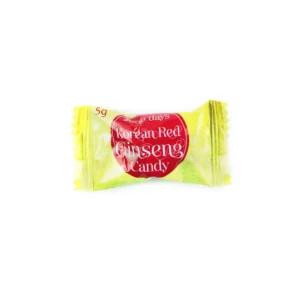
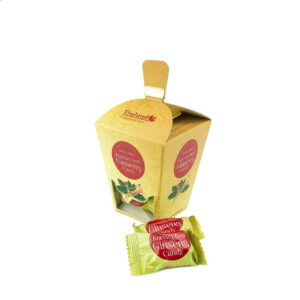
Korean Red Ginseng candy, 10pc pack
Gifts and Candies, Ginseng 15.75 AED Add to cart -


Red Ginseng 20 sachet
Ginseng 47.25 AED Add to cart -


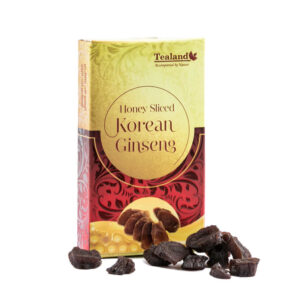
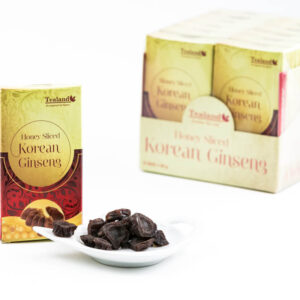
Korean Ginseng Honey Slice
Ginseng 21.00 AED Add to cart -


Korean Red Ginseng Candy, 20 Pcs
Gifts and Candies, Ginseng 21.00 AED Add to cart -


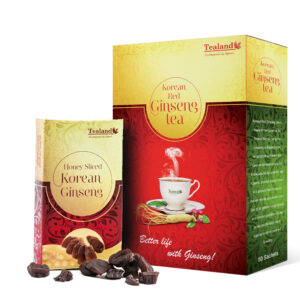
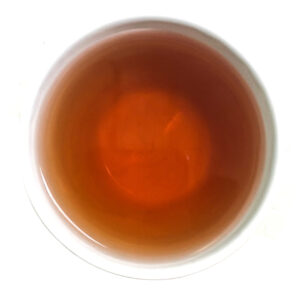
Korean Red Ginseng Tea 50 bags
Ginseng 126.00 AED Add to cart -


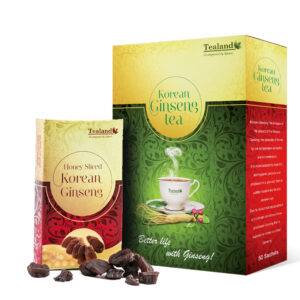
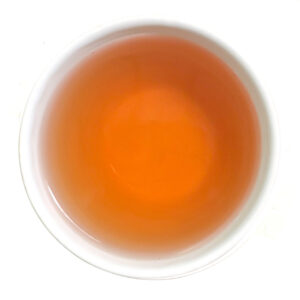
Korean Ginseng Tea 50 bags
Ginseng 94.50 AED Add to cart
Ginseng Overview
GINSENG TEA is one of the most precious gifts on Earth. Thousands of years ago there appeared the legends about the miracles the root did to the people.
The root of the Ginseng plant has been used as a medicine in China for thousands years. It enables the human body to deal with different situations of stress and anxiety. The root is usually eaten or brewed as tea. It is also available in the form of a tablet, capsule and syrup.Ginseng Tea is found only in the Northern part of the Globe. Two of the most common species are the American ginseng and the Asian ginseng.
What is Ginseng?
‘Ginseng’ comes from a Chinese term that means “root in a shape of a human” and refers to the root’s characteristic “two – legs” shape that resembles a human. The botanical name is Panax that means “all-heal” in Greek, rooting from the same origin as “panacea”. Some sources suggest that Siberian root is also Ginseng. Although it is in the same family, it is not genus, as true ginseng. Its scientific name is Eleutherococcus senticosus. The active substances in Siberian ginseng are different from Panax. Instead of a fleshy root, Siberian ginseng has a woody root.The major health benefits of ginseng are due to the naturally occurring chemicals called ‘Ginsenosides’ that are present in this root.
Kinds of Ginseng:
1. White ginseng:
This is a fresh type of ginseng which has been dried naturally, with no heat applied. It is peeled and dried to reduce the water content to 12% or less. Thus white ginseng may contain less of the therapeutic constituents. It is thought by some that chemicals contained in the root break down these constituents in the process of drying. Excessive sunlight contact dries the roots out in a yellowish colour.
2. Red Ginseng
Red ginseng has been peeled, heated through steaming at standard boiling temperatures of 100 °C, and then dried. It is frequently marinated in an herbal brew which results in the root becoming extremely brittle.
3. Black Ginseng
It is a Ginseng which is made through the process of steaming and drying for 9 times when it changes its color to black. Black Ginseng contains much more Ginsenosides than the Red and White Ginseng thus having more health benefits.
4. Ginsenoside content:
- White: 24 types
- Red: 32 types
- Black: 40 types
A 6 years old White and Red Ginseng is used to make Tealand Ginseng products It is proven fact that during sixth year of growth the root increases the content of Ginsenosides as much as it does for the 5 previous years altogether. Tealand introduces to the market four Ginseng products:
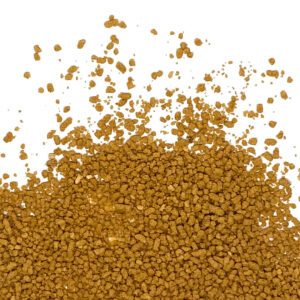
- White Ginseng Tea Granules
- Red Ginseng Tea Granules
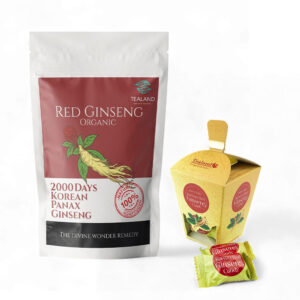
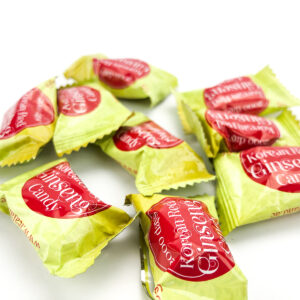
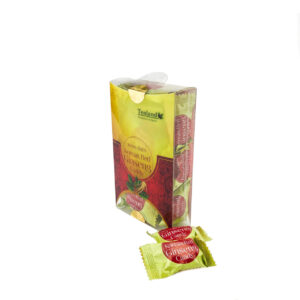
- Red Ginseng Candy
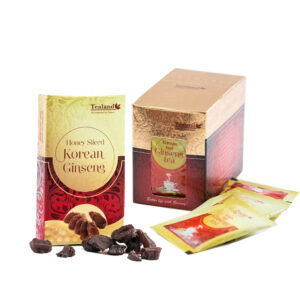
- Honey Sliced Ginseng – pieces of Ginseng root covered with natural honey.
Health Benefits of Ginseng
Liver
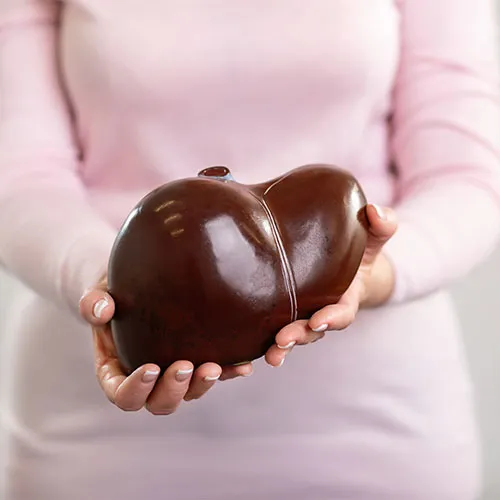
According to the Korean Association for the study of the Liver ginseng can improve fatty liver and effectively inhibit the accumulation of liver fat.
Korean Red Ginseng proved to be effective in treating liver cancer and cirrhosis, not to mention general liver diseases.
Immunity
Korean Ginseng strengthens the body’s immunity. It has been proven by numerous clinical studies that ginseng is effective in preventing new flu.
Stamina
It is reported that ginseng helps to restore the function of the testicles. The core ginseng ingredient saponin (Ginsenoside Rg3) works on the testicles, facilitating the secretion of male hormones, amplifying the blood flow to the genital’s blood vessels, and thus enhancing erectility.
Dementia and mental disorders
In the 10th International Ginseng Symposium professor Kim Man-ho of Seoul’s National University Hospital Neurology Department reported a study in which ginseng takers showed better-improved scores in Alzheimer’s Disease Assessment Scale (ADAS-cog) and Mini-Mental-State Examination (MMSE) than non-takers.
Ginseng’s efficacy in enhancing the cerebral function, such as repairing mental-function disorders and improving concentration, is expected to treat children’s ADHD. This expectation is based on ginseng’s saponin ingredient, which is known to increase the concentrations of dopamine and norepinephrine in the cerebral cortex.
Anti-cancer
According to professor Saki of Japan ginseng’s saponin ingredient not only kills canceros cells but also outstandingly inhibits their metastasis.
Diabetes
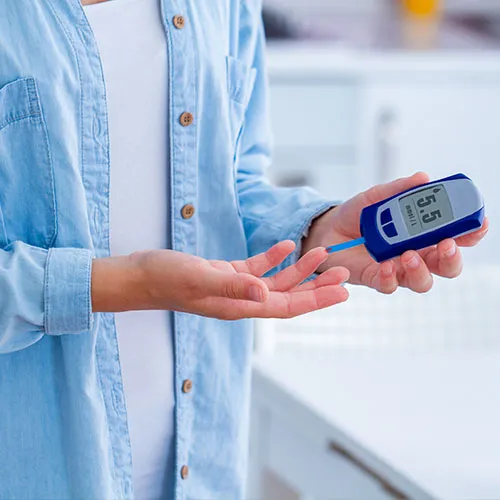
In the 2002 International Ginseng Symposium the team led by Professor Vladimir Vuksan of the University of Toronto in Canada, and the team led by Sukmyung Women’s University Professor Seong Mi-gyeong, reported: “In patients with adult type diabetes caused by obesity (type 2) who took red ginseng, the blood glucose level was outstandingly controlled, proving that ginseng is outstandingly effective in improving adult-type diabetes.” In the study, type 2 diabetics took 6 gram red ginseng powder daily for three months, and showed significant decrease of secreted insulin levels and inhibition of blood glucose increase.
Blood flow
Studies from Kinki University of Osaka, Japan suggest that Korean ginseng improves the blood cell transformation power of blood vessels that even a single blood cell finds hard to penetrate, thereby outstandingly facilitating blood circulation.
Anti-stress, anti-fatigue
Fatigue, when accumulated, will turn into stress. Stress and fatigue lower immunity, causing many iseases.According to Korea’s Ginseng Research Institute study performed on soccer players the muscular pain, dizziness, fatigue, and fatigue index lactic acid concentration in the blood of the group that took ginseng greatly decreased compared with the group of non-takers.Ginseng rapidly recovers a person’s strength while improving the functions of the internal organs.
Atherosclerosis and hypertension
Ginseng saponins have preventive effect against formation of aortic atheroma.Active components of ginseng enhance cholesterol turnover and thus improve the hyperlipidemia, which is the major detrimental factor of arteriosclerosis.
Ginseng components accelerate the excretion of cholesterol metabolites and bile acid.
Skin
Hyaluronic acid, which exists on the surface of the corium, gradually decreases with the ageing of the skin, leading to lower skin elasticity and moisture. Ginseng extracts maintain hyaluronic acid.
Ginseng is known in preventing wrinkles. Free oxygen radicals that occur as a result of cell metabolism, are one of the main reasons for skin ageing and regenerative changes, and ginseng ingredients interact with free oxygen radicals to inhibit skin oxidation.