

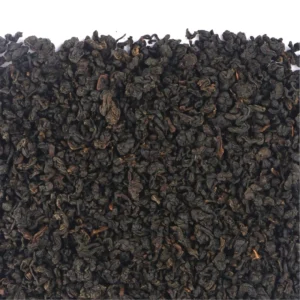
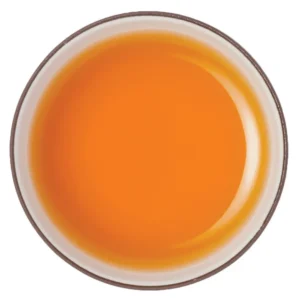


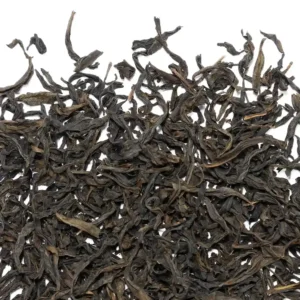

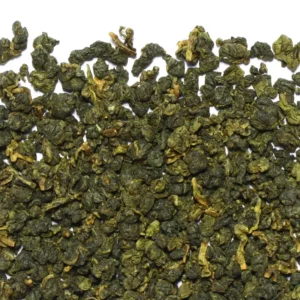





Tealand’s oolong tea collection brings together over 25 hand-selected varieties from the world’s most respected growing regions — high-mountain Taiwan, the Wuyi cliff terraces of Fujian, and the oolong gardens of Guangdong. Whether you are new to oolong or an experienced tea drinker looking for a rare Dan Cong or aged Da Hong Pao, this is one of the most complete oolong selections available in the UAE. Prices start from AED 29, with delivery across Dubai and all seven emirates within 1–3 working days.
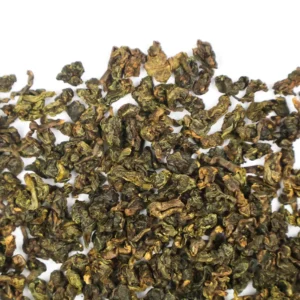
Oolong tea occupies a unique position in the world of tea. Made from the leaves of Camellia sinensis — the same plant used for green, black, and white tea — oolong is partially oxidised, placing it on a spectrum between unoxidised green tea and fully oxidised black tea. Oxidation levels typically range from 15% to 85%, and it is this range that gives oolong its extraordinary diversity of flavour.
A lightly oxidised oolong at 15–20% oxidation will be pale, floral, and delicate — similar in character to a fine white tea. A heavily oxidised oolong at 70–80% will be dark, roasted, and full-bodied, closer to a smooth black tea. Most oolongs fall somewhere between these two extremes, offering a complexity of flavour that neither green nor black tea can match.
This spectrum is what makes oolong the most versatile tea category in the world — and why serious tea drinkers in Dubai choose it above all others for daily drinking.
Tealand stocks oolongs from three of the world’s most important growing regions, each with a distinct character:
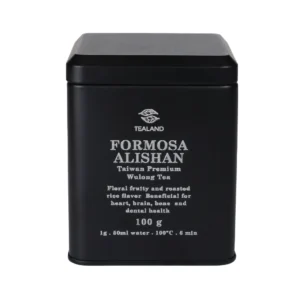
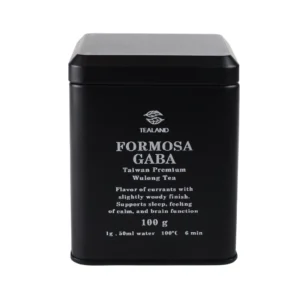
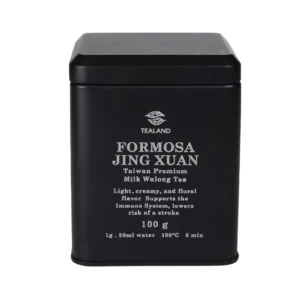
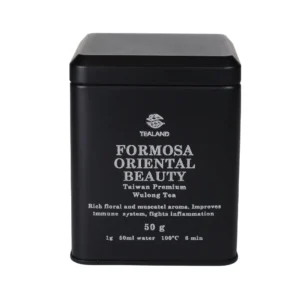
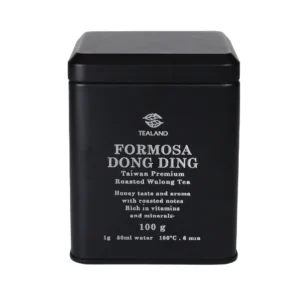
Taiwan produces some of the finest oolongs in the world, particularly from its high-altitude growing areas where cool temperatures and mist-covered peaks create exceptional conditions for tea cultivation. Tealand carries Formosa Alishan — grown at over 1,000 metres in Alishan National Scenic Area and prized for its floral, buttery notes — alongside Formosa Jinxuan (Milk Oolong), known for its naturally creamy texture with no added flavouring, Formosa GABA Oolong, Oriental Beauty, and the heavily oxidised Formosa Dong Ding Roasted for those who prefer a richer, darker cup.
The Wuyi Mountains of Fujian province produce what many consider the world’s most complex oolongs — known as rock teas or yan cha — grown in rocky soil that imparts a distinctive mineral depth to the leaves. Tealand’s Chinese cliff oolong selection includes Qi Lan Da Hong Pao, Bai Ji Guan (White Cockscomb), one of the four famous Wuyi cliff teas prized for its pale, delicate liquor, and Da Hong Pao, the most celebrated of all Wuyi oolongs with its characteristic roasted, mineral character.
Phoenix Mountain in Guangdong province produces single-bush (dan cong) oolongs that are naturally aromatic, each variety mimicking the fragrance of a different flower or fruit without any added flavouring. Tealand stocks Mi Xiang Dan Cong (Honey Orchid), celebrated for its distinctive natural honey and orchid aroma, alongside Dong Ding Wulong from central Taiwan — medium oxidised, smooth, and clean with a long finish.
A specialist category within oolong, GABA teas are produced through an anaerobic fermentation process that significantly raises the gamma-aminobutyric acid (GABA) content of the leaves. GABA is an amino acid associated with relaxation and stress reduction. Tealand carries both Formosa GABA Oolong and GABA Premium, available in multiple sizes.
For those who prefer a more approachable introduction to oolong, Tealand’s flavoured range includes Passion Fruit Oolong and Mango Oolong — whole-leaf oolongs blended with natural fruit pieces, producing a vibrant, refreshing cup that works particularly well cold-brewed in Dubai’s warm climate.
Oolong tea combines the health properties of both green and black tea, making it one of the most nutritionally well-rounded teas available. Regular consumption is associated with the following benefits:
Oolong is rich in polyphenols and antioxidants, including catechins, theaflavins, and thearubigins, which help protect cells from oxidative stress. Studies have linked regular oolong consumption to improved metabolism and fat oxidation — particularly relevant for those looking to support weight management naturally. The combination of caffeine (approximately 30–50mg per cup) and the amino acid L-theanine produces calm, sustained mental clarity, avoiding the energy spike and crash associated with coffee. GABA oolongs specifically are studied for their potential to support healthy blood pressure and reduce anxiety. Oolong also contains more iron, calcium, and potassium than green tea, making it a useful mineral source for daily drinkers.
Brewing oolong correctly makes a significant difference to the taste. Unlike black tea, oolong should never be brewed with boiling water, which destroys the more delicate aromatic compounds.
For light to medium oolongs (Alishan, Jinxuan, GABA, Oriental Beauty): use water at 80–85°C, 1 teaspoon per 150ml, steep for 2–3 minutes. These varieties reward multiple infusions — the flavour often deepens and evolves through the second and third steep.
For heavy or roasted oolongs (Dong Ding Roasted, Da Hong Pao, Qi Lan): use water at 90–95°C, 1 teaspoon per 150ml, steep for 30–60 seconds in the traditional Gongfu style for the first infusion, increasing time with each subsequent steep. High-quality cliff oolongs can be re-steeped 5–8 times.
For cold brew: add 2 teaspoons to 500ml of cold water and refrigerate for 6–8 hours. Produces a naturally sweet, smooth infusion — ideal for UAE summers.
Formosa Jinxuan (Milk Oolong) and Formosa Alishan are both excellent starting points. Both are lightly oxidised, naturally sweet, and smooth — easy to brew and very approachable in flavour without any bitterness.
Taiwanese oolongs (Alishan, GABA, Jinxuan) tend to be more lightly oxidised, floral, and delicate. Chinese oolongs — particularly Wuyi cliff teas like Da Hong Pao and Bai Ji Guan — are more heavily oxidised, roasted, and mineral. Both styles are exceptional; the preference depends on whether you enjoy lighter or richer flavours.
Whole-leaf oolong can typically be re-steeped 3–7 times, with each infusion developing a slightly different character. Premium cliff oolongs like Da Hong Pao are particularly well suited to multiple infusions — simply increase the steeping time by 15–30 seconds with each subsequent brew.
Yes. Oolong tea contains approximately 30–50mg of caffeine per cup — less than black tea (50–70mg) and significantly less than coffee (95mg). The L-theanine in oolong moderates the caffeine effect, producing calm focus rather than a sharp stimulant spike.
Yes. All of Tealand’s oolong teas are available online at tealand.ae with delivery across Dubai, Abu Dhabi, Sharjah, and all UAE emirates within 1–3 working days. Free delivery applies on orders over AED 200 within Dubai.
Does Tealand have oolong tea in store?
Yes. Tealand’s full oolong range is available at all four Dubai stores — Umm Ramool, Festival Plaza, Al Barsya City Center, and Dubai Festival City — where staff can help you select the right variety and prepare a tasting.
Tealand has been sourcing and supplying premium teas in Dubai for over 20 years. Every oolong in the collection is selected directly from trusted farms and estates, quality-tested on arrival, and stored in optimal conditions to preserve freshness. With over 25 oolong varieties available across multiple sizes — from 50g introductory quantities to 500g for regular drinkers — there is an oolong in this collection for every palate and budget. Explore the full range above, or visit any of our Dubai stores for a guided tasting.