Description
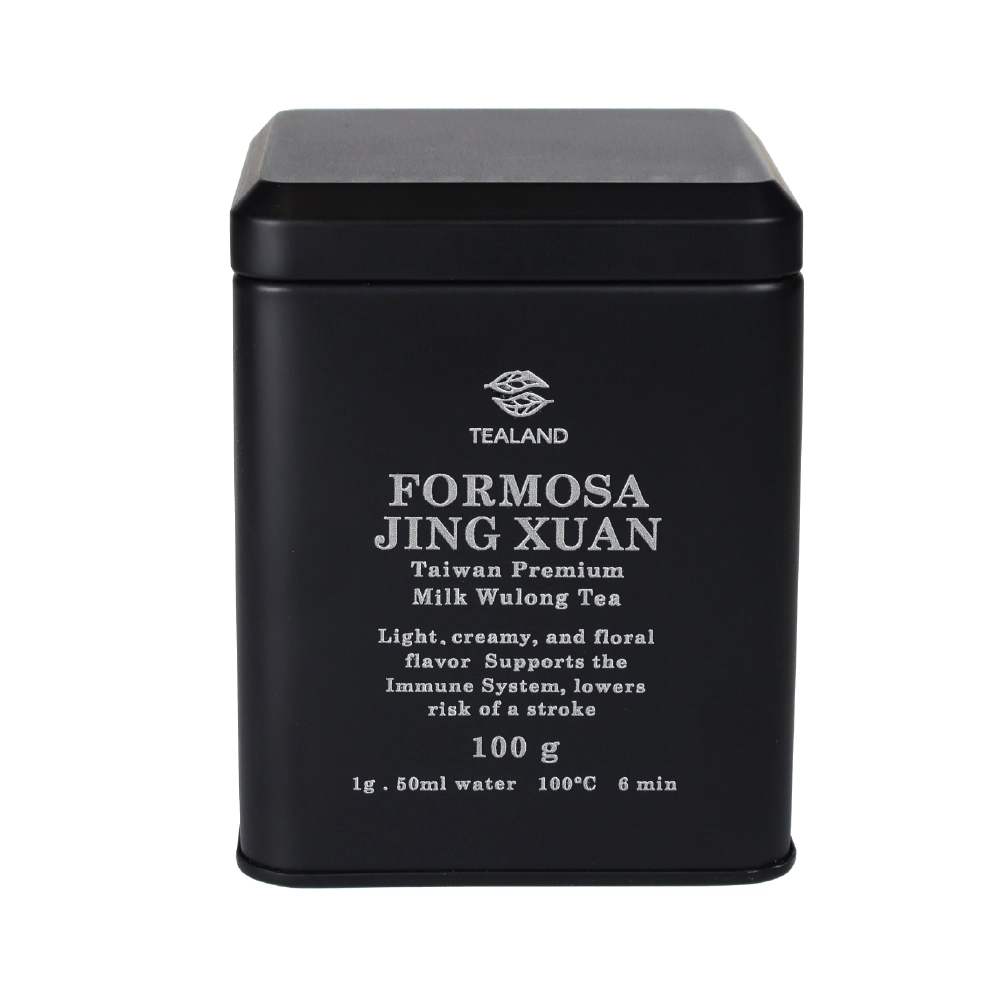
Jin Xuan (金萱茶, Jīn Xuān Chá) — Golden Flower
Jin Xuan, also called Golden Flower, originally grew in the Taiwanese mountains of Alishan at altitudes from 1000 to 1600 meters. Scientists of the Taiwan Tea Research and Extension Station (TRES) concluded that the best tea gardens on Earth are located in mountain areas within about 50 km of the Tropic of Cancer. Alishan lies exactly at latitude 23.5°, making Jin Xuan one of its jewels.
This cultivar is a hybrid: its “father” is Yingzhi Hongxin (Red Core with Hard Stems) and its “mother” is Taiwan cultivar No. 8. Bred in 1980, it was first coded No. 2027, later standardized as TRES #12. Its sweet, full-bodied taste carries distinctive notes of osmanthus and milk, which made it very popular. From it came the flavored tea Nai Xiang Jin Xuan (Milky Jin Xuan).
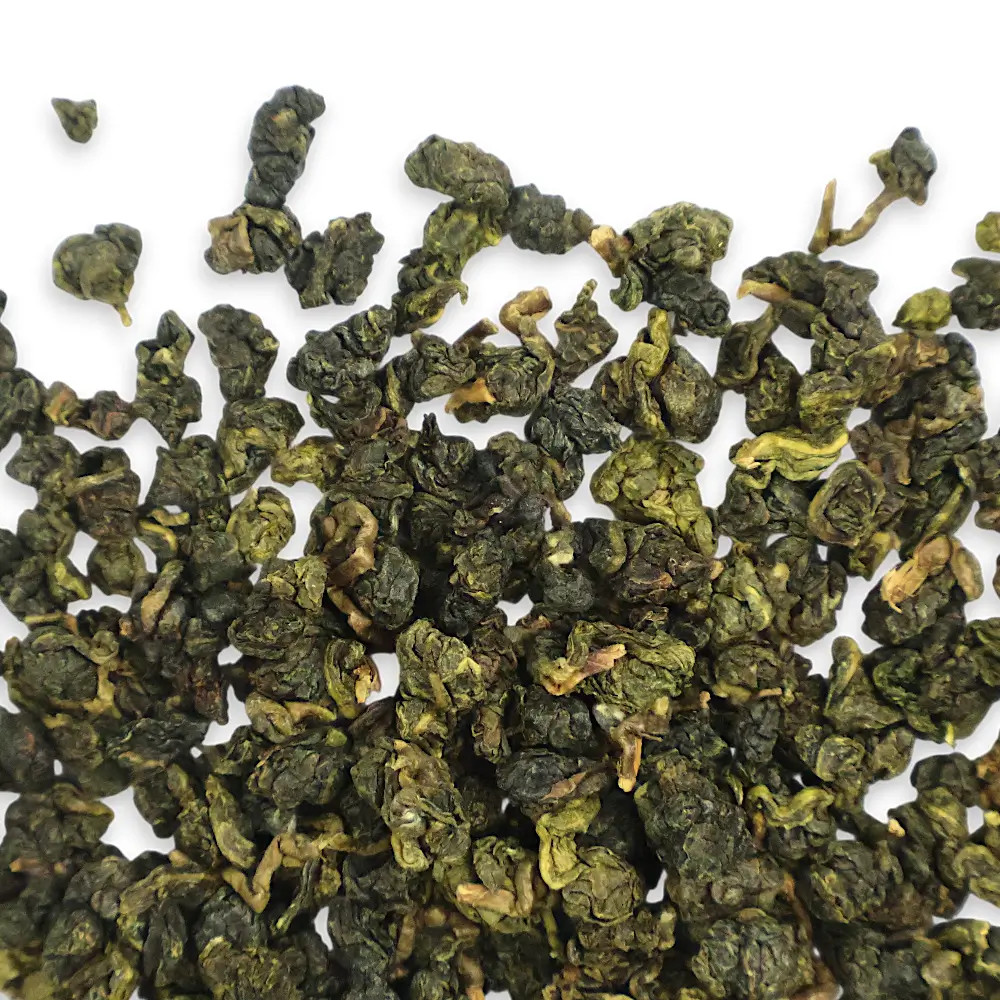
The first generation was bred under scientist Wu Zhenduo, who gave the tea his grandmother’s maiden name. The tea tree has thick, oval, glossy leaves, often with purple hues on young shoots. Used mainly for semi-oxidized teas (baozhongs), it is also processed into red teas. Main cultivation areas are Chiayi and Nantou, in misty highlands at about 1000–1600 m. Today Jin Xuan is Taiwan’s second most planted cultivar, after Qingxin Wulong.
Formally not a high-mountain tea, its qualities gave rise to the myth that it grows at greater altitudes. Unlike Qingxin Wulong, Jin Xuan does not grow above 1600 m.
The Legend of Jin Xuan — Golden Flower
Bred in 1980 in the misty highlands of Alishan, **Jin Xuan (金萱, Golden Flower)** quickly won the hearts of tea lovers with its natural creamy aroma and soft, floral sweetness. Officially registered as TRES #12, it is the tea that inspired the beloved Milky Oolong.
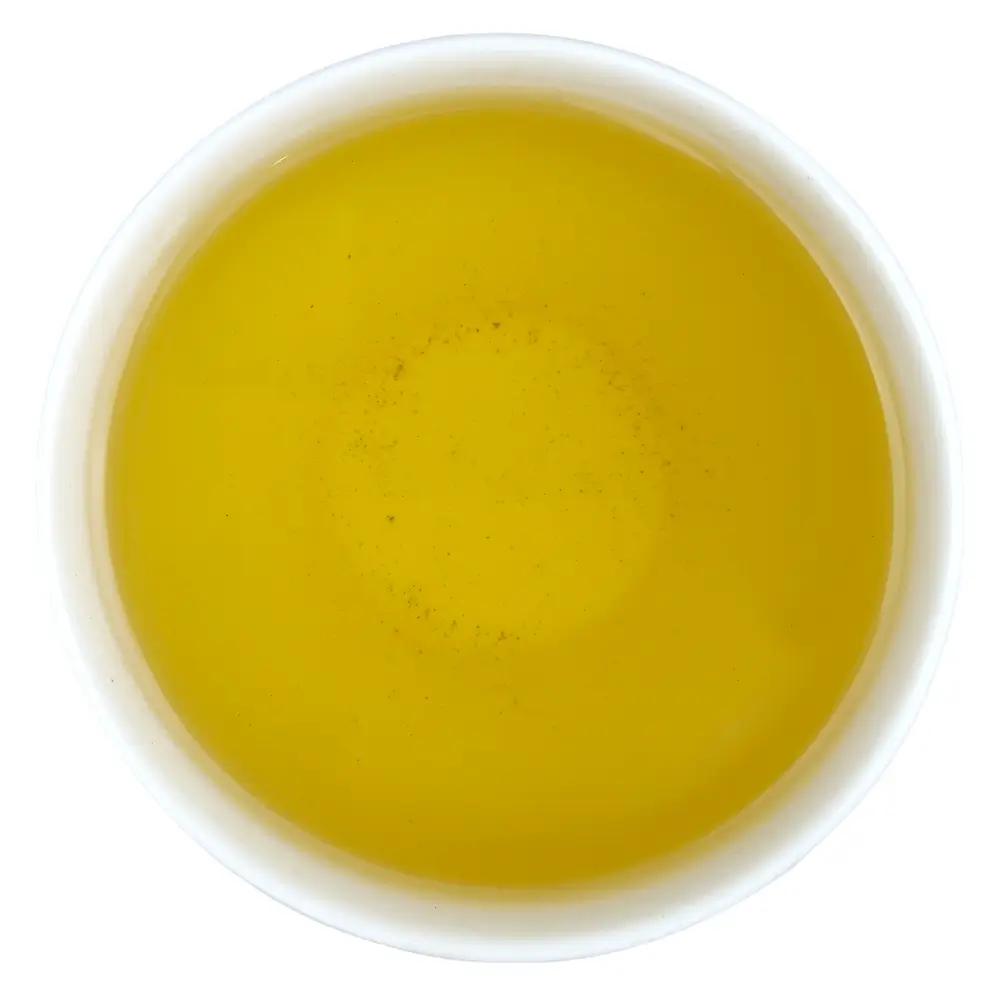
Elegant yet approachable, Jin Xuan’s golden cup offers silky body, hints of osmanthus, and a lingering milk-like smoothness — a modern classic born from tradition.





Reviews
There are no reviews yet.