Description
Dong Fang Mei Ren (东方美人, Dōng Fāng Měi Rén) — Oriental Beauty
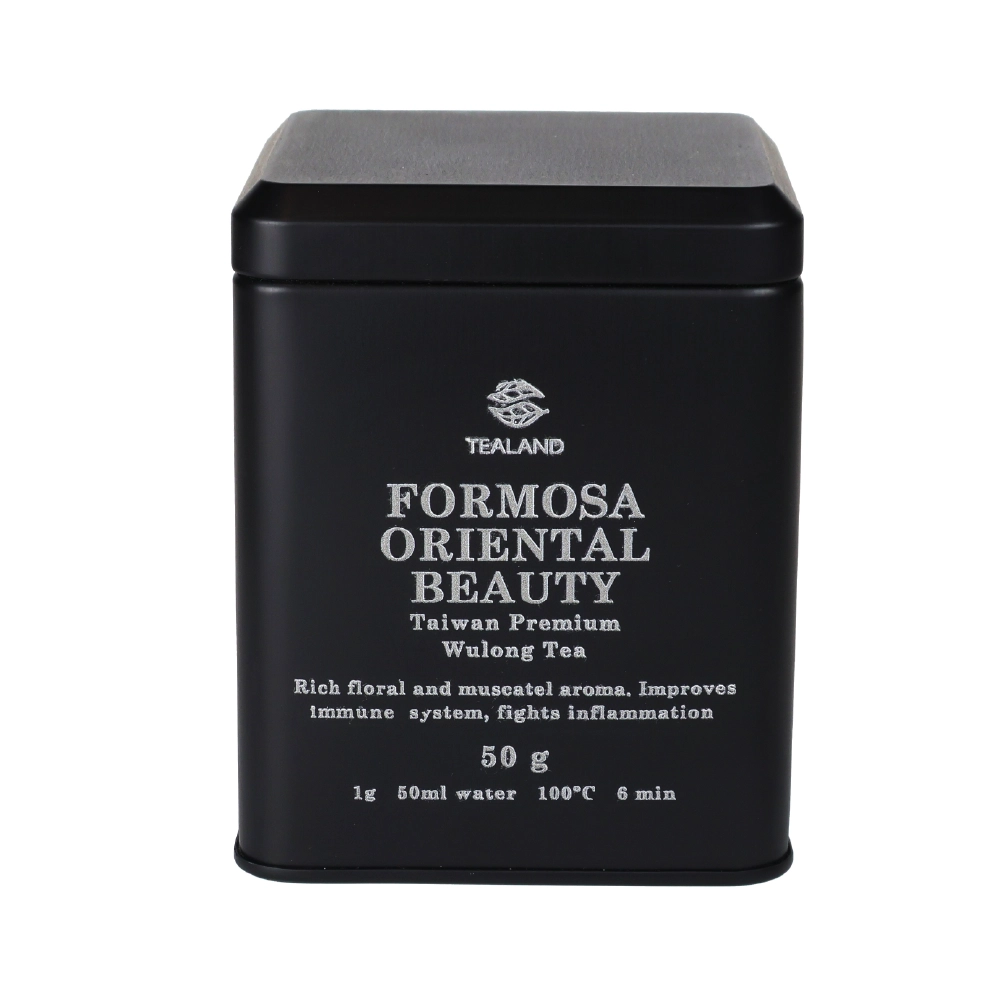
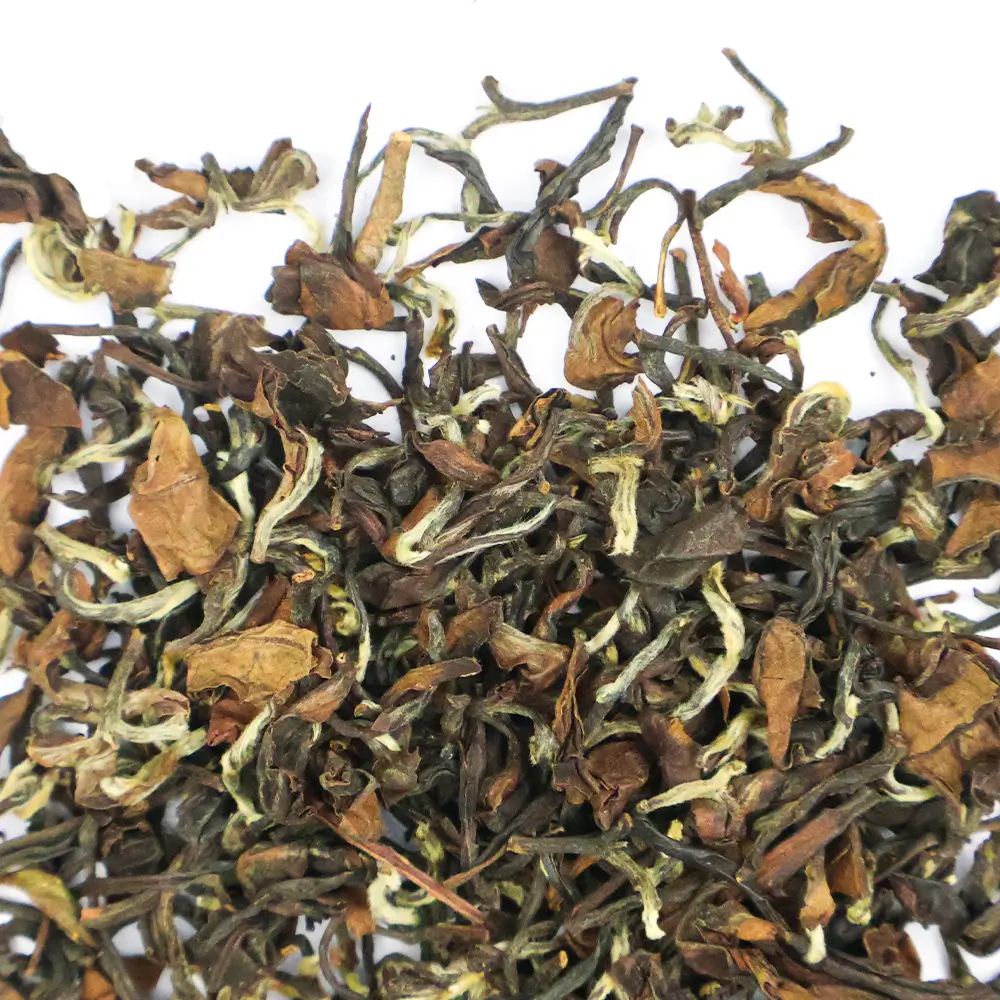
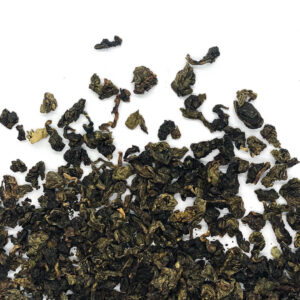
Dong Fang Mei Ren, or Oriental Beauty, is a special, famous tea from the island of Taiwan. It is also called Peng Feng Cha (“Expanding Wind,” 膨风茶) or, because of the noticeable white fuzz on the tea buds, White-tipped Oolong (Baihao Wulongcha, 白毫乌龙茶). Among semi-oxidized blue-green teas (oolongs), it has the highest degree of oxidation: usually about 60%, but there are samples with 75–85%. The aroma of Oriental Beauty tea is delightful, its taste neither bitter nor astringent.
The main producing areas are the northern Taiwanese counties of Hsinchu and Miaoli. In recent years, this tea has also been developed in the Taipei area (Pinglin, Shiding). It is harvested in the hot summer, in June–July (plus or minus 10 days in relation to the Duanwu Festival, the 5th day of the 5th lunar month).
Leafhoppers (fuchenzis, Nephotettix apicalis cincticeps) bite the leaves, and when their saliva mixes with the enzymes of the leaf, a specific aroma is produced. The quality of the tea depends directly on the degree of bitten leaves; the leafhopper population is the source of the fruity aroma and honey taste of Dong Fang Mei Ren.
Manual plucking is required: one bud plus two leaves. Processing follows traditional methods: withering, fermentation, rolling, drying, producing high-grade oolong. Specifics include wrapping leaves in cloth, fermenting twice, then rolling and drying, yielding maocha (unfinished tea).
Multiple infusion Brewing Methods
Hot: porcelain teapot, 80–90°C water, 4 g per 100 ml, up to 10 infusions.
Cold: 4 g per 600 ml water, steep 6–8 hours.
Legends about the Name
Originally called Peng Feng Cha, “Expanding Wind Tea,” with connotations of boasting. One legend says a farmer’s pest-damaged leaves made unexpectedly fragrant tea, which townsfolk dismissed as boasting — hence the name. Another legend links it to Beipu village and tea bought at high prices by the Japanese governor-general’s residence; villagers thought it boasting. Some say Queen Victoria, upon tasting, called it Oriental Beauty. Others say Elizabeth II said the same at a 1960s food exhibition. It was also once called “Overseas Oolong” (Fanzhuang Wulong). It is also known as Fushoucha, Tea of Happiness and Longevity (福寿茶).
The Legend of Oriental Beauty
Hand-picked in the summer sun of northern Taiwan, **Dong Fang Mei Ren (东方美人, Oriental Beauty)** is unlike any other oolong. Tiny leafhoppers bite the tender leaves, sparking natural chemistry that transforms them into honey-sweet, fruity perfection. This rare harmony of nature and craft earned the admiration of European royalty, who named it “Oriental Beauty.”
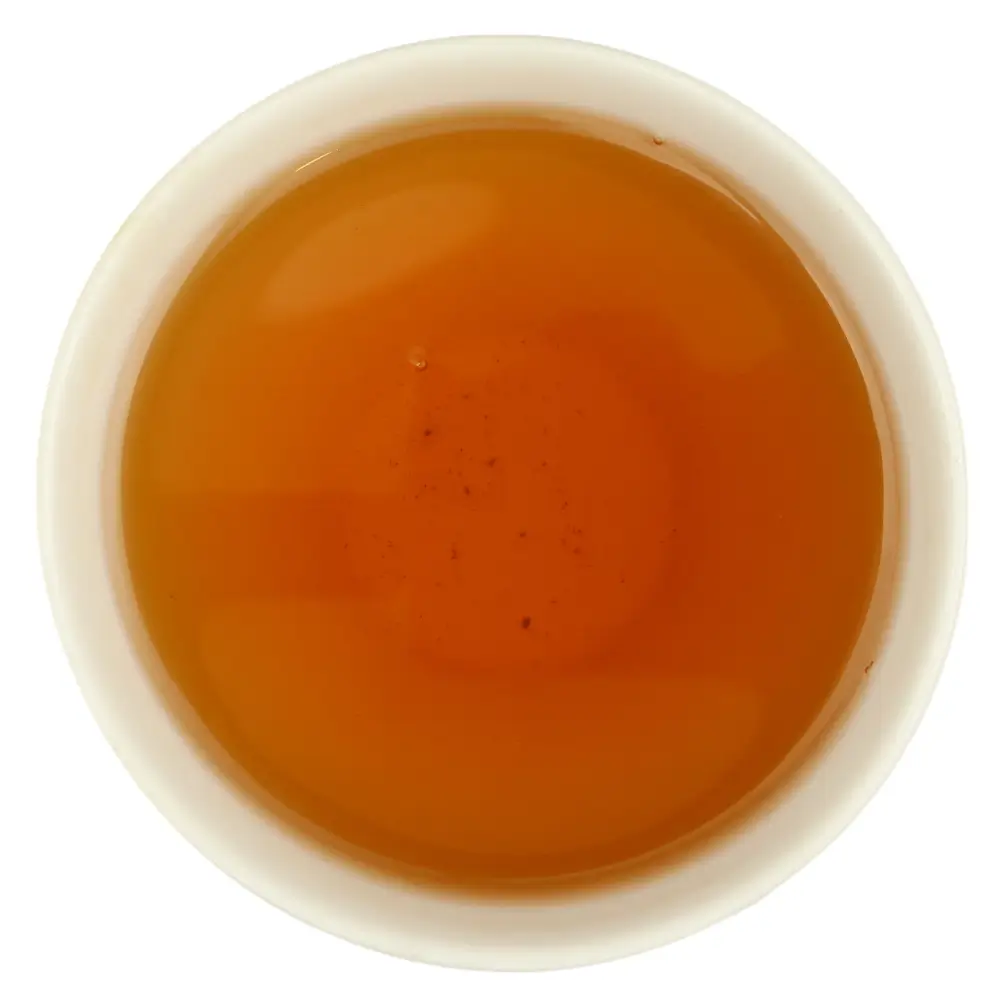
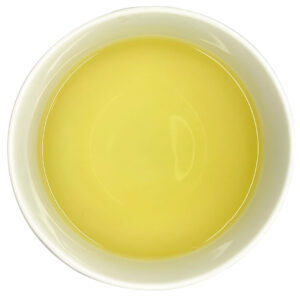
With its golden-red liquor, smooth body, and enchanting floral-honey fragrance, Oriental Beauty remains one of Taiwan’s most treasured teas — a living legend in every cup.








Reviews
There are no reviews yet.