Description
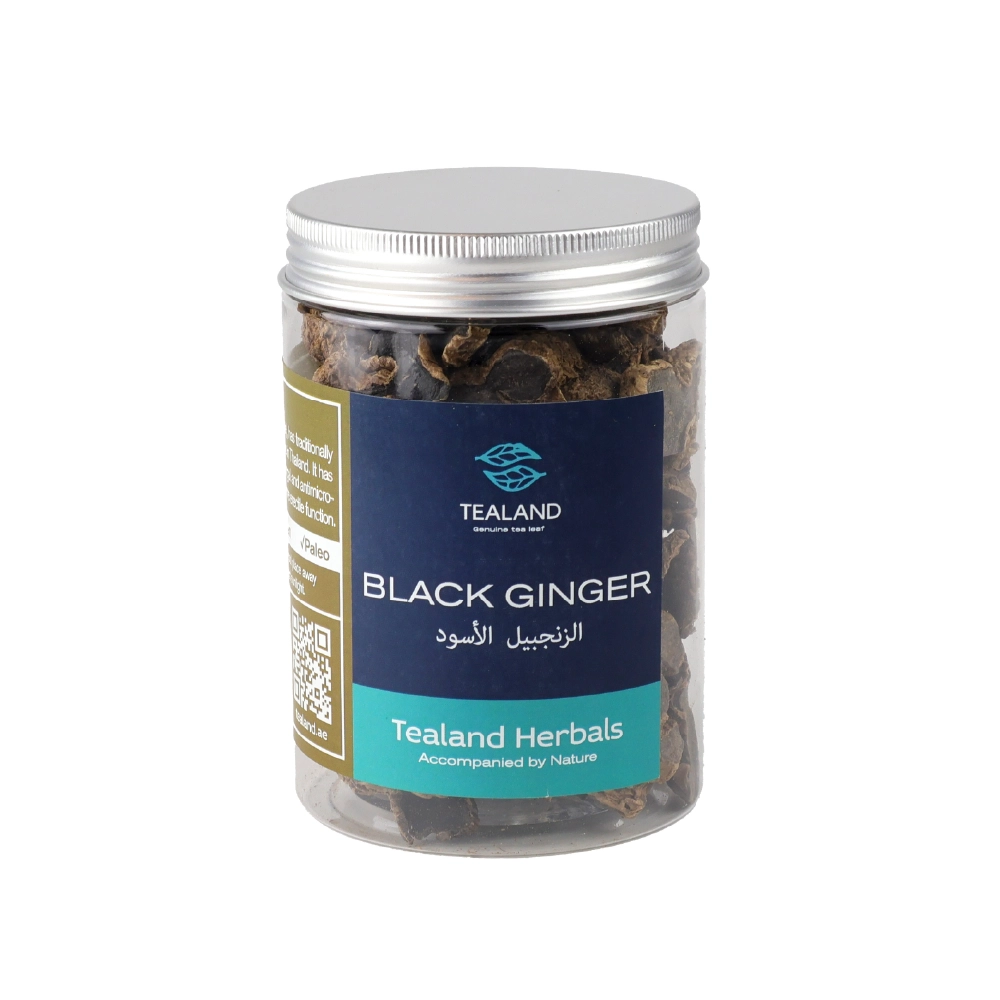
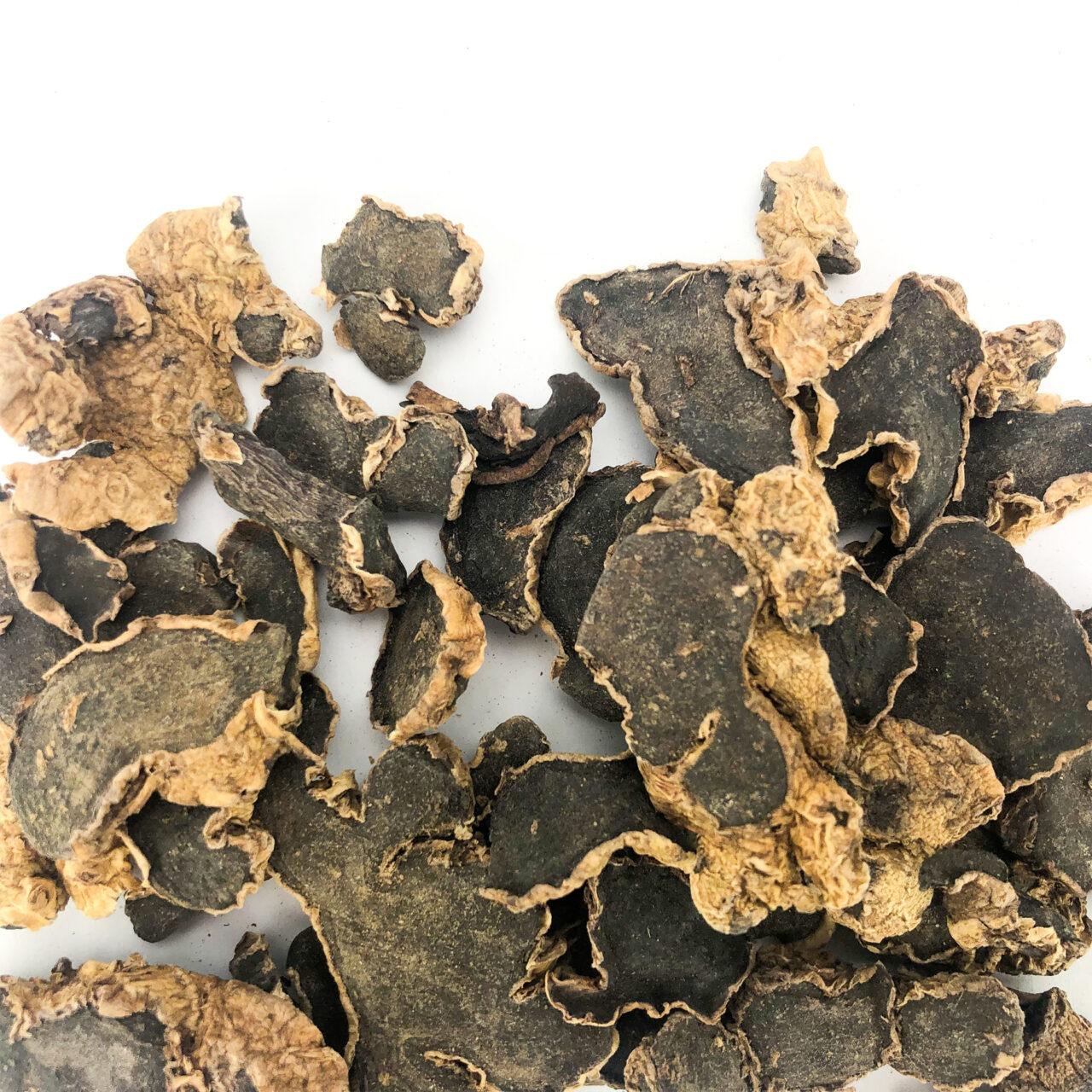
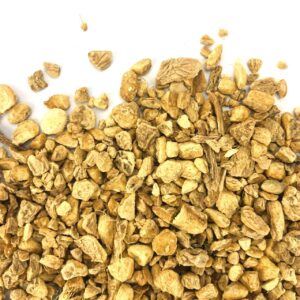
Kaempferia parviflora (KP), which belongs to the family Zingiberaceae, is originally found in the North and Northeast of Thailand. The rhizomes of KP, also known as black ginger, are popular as health-promoting herbs and traditionally used as a folk medicine for managing a variety of diseases, including erectile dysfunction, inflammation, ulcers, gout, colic disorder, abscesses, allergy, and osteoarthritis
Black Ginger Health Benefits
Black ginger is rich in amino acids, selenium, and antioxidants like tannins, anthocyanins, and flavonoids. Here are evidence-based health benefits of black ginger.
Promotes Sexual Health
In ancient Thai history, men with erectile dysfunction ingested black ginger as a folklore remedy for the problem. Historically, it has also been favored by women because of its purported use in increasing libido. The science behind black ginger’s use in the bedroom is its inhibitory effect on Phosphodiesterase 5 (PDE5), allowing it to boost men’s sexual health. KP promotes the production of nitric oxide, which aids in penile erection by helping the muscles relax.
Increases Physical Performance
It contains polymethoxyflavones (PMFs) that activate a significant contributor to cell metabolism called AMP-activated protein kinase (AMPK). Some claim AMPK enhances fat metabolism, muscle endurance, and physical performance.
Anti-Cancer
Black ginger extract may be a natural way to fight cancer, though more studies are needed.
Ovarian cancer cells were treated with KP in a 2018 study, finding that the proliferation of cells and cell migration were actively suppressed. KP induced cell death.
In a 2017 study, KP was also found to significantly suppress the cell migration of cervical cancer cells.
Anti-Microbial and Anti-Inflammatory
Acne vulgaris affects many people today, all over the globe. Bacteria are the culprits behind acne, which includes strains like Propionibacterium acnes and Staphylococcus aureus. In a study, various concentrations of KP were tested on these pro-inflammatory bacteria. The higher the concentration of KP, correlated with reduced viability of both bacterial strains. This was associated with reducing bacteria and the inflammation they caused.
Dosage
A dose of between 1 g and 1.5 g daily is normal to take. It does not adversely affect blood pressure, nor does it affect hormonal balance, making it safe for use while on hormone replacement therapy. The only time black ginger should not be used is if you suffer from pre-existing arrhythmias, as it may exacerbate the condition even more.