Description
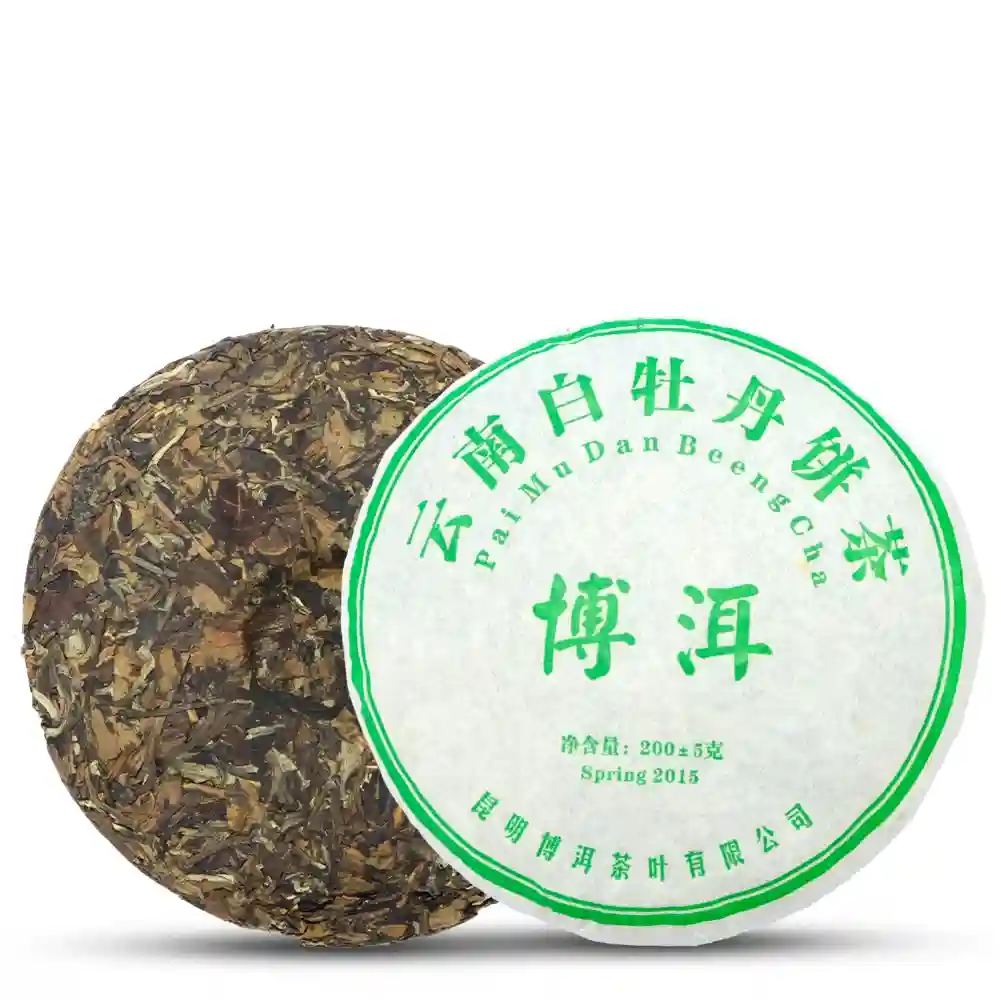
White Peony Compressed Cake
Pai Mudan, also known as Bai Mudan / White Peony, is one of the classic styles of Chinese white tea, usually made from young buds with one or two tender leaves. In loose form it is already soft, floral, and mellow, but when pressed into a beeng cha cake, the tea begins a deeper and slower maturity process. The compression protects the leaf, reduces sharpness, and allows the inner aroma to develop gradually over time.
Unlike green tea, which is usually best enjoyed fresh, good white tea can become more rounded and complex with age.
Maturity Process
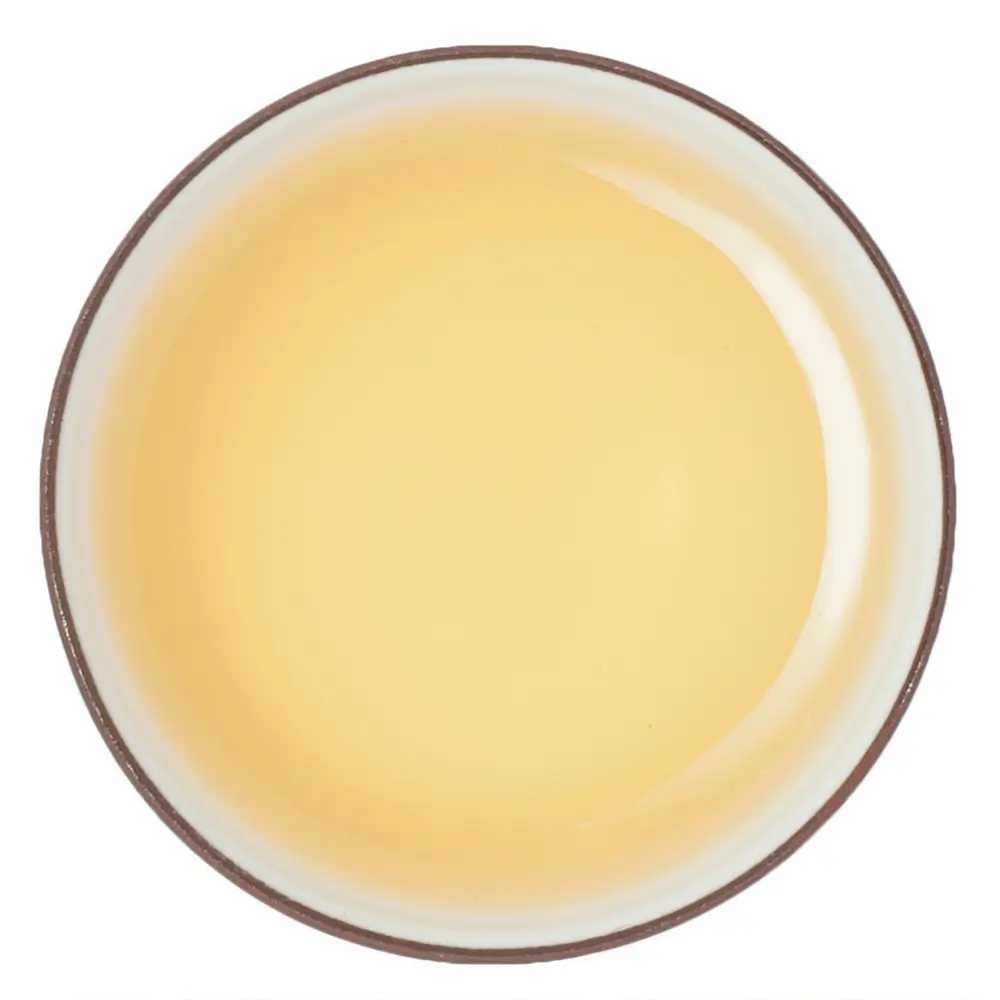
In the first stage, a young Pai Mudan cake keeps much of its fresh white tea identity. The liquor is light golden, the aroma is floral and clean, and the taste may show notes of fresh hay, wildflowers, soft herbs, melon skin, and a gentle honey sweetness. At this point the tea feels bright, delicate, and slightly crisp.
After a few years, the compression begins to show its effect. The sharp green freshness softens, the floral notes become warmer, and the sweetness becomes more settled. The tea starts to develop notes of dried flowers, ripe pear, apricot, light honey, and sun-dried grass. The body becomes smoother, and the aftertaste stays longer in the mouth.
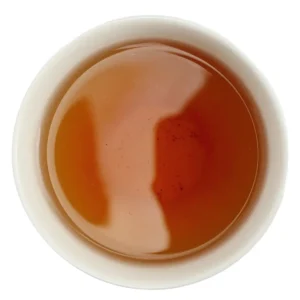
With longer ageing, usually from five years onward, Pai Mudan Beeng Cha may develop deeper notes: dried jujube, date, honeycomb, autumn leaves, soft wood, medicinal herbs, and sometimes a light camphor-like freshness. The liquor becomes darker — from pale gold to amber-orange — and the texture becomes rounder, thicker, and more soothing.
A well-stored white tea cake does not become heavy or earthy like shu puer. Its beauty is in quiet transformation: freshness turns into warmth, flowers turn into dried fruit, and light sweetness becomes deeper and more honeyed.








Reviews
There are no reviews yet.