Unlock 10% off – just for signing up!
Matcha vs Green Tea

Matcha vs Green Tea: The Difference Comes Down to How the Leaf Is Used

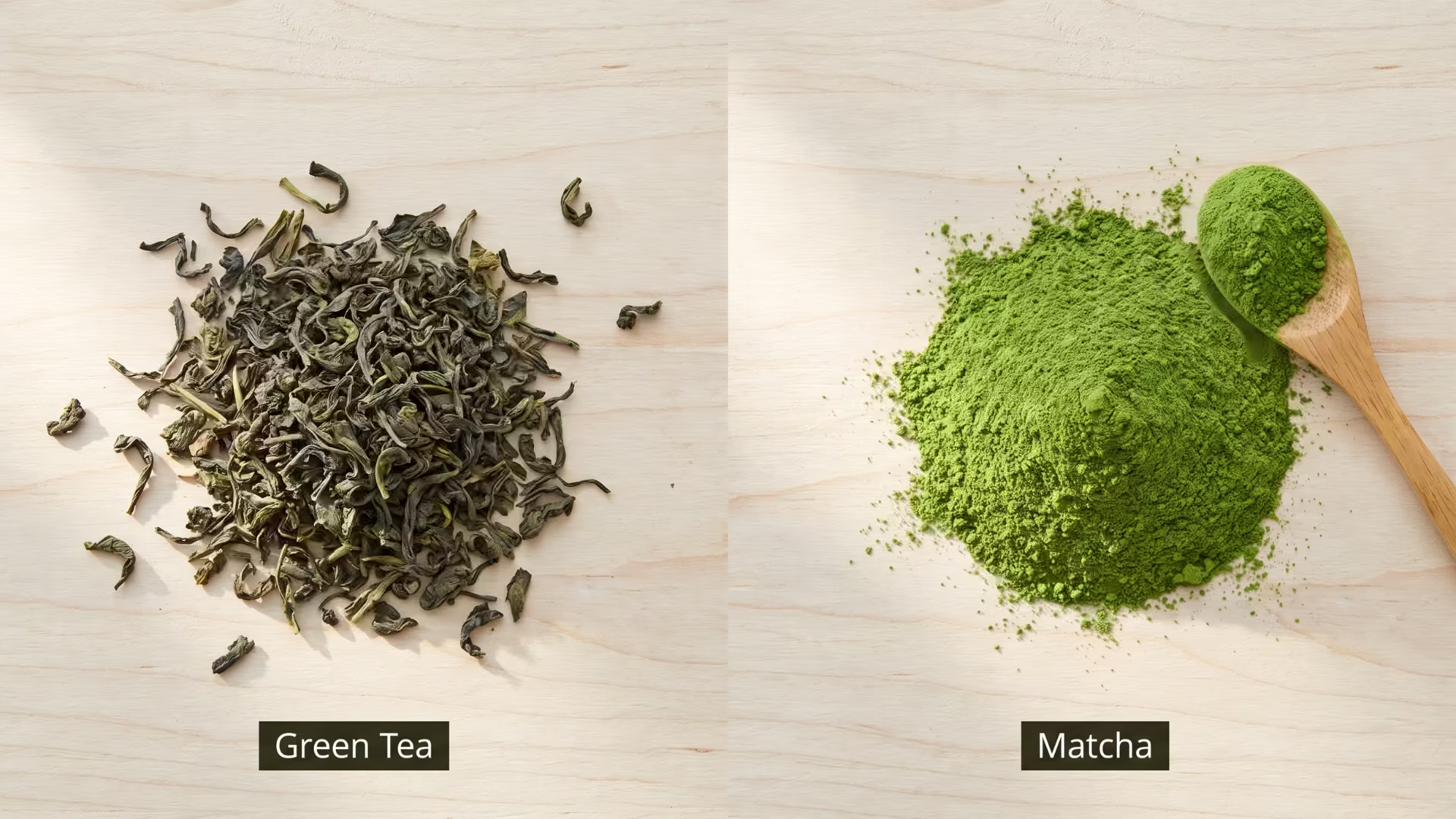
Matcha and green tea start life on the exact same plant. So where does the split happen? Green tea gets steeped and strained, while matcha is stone-ground into a fine powder and drunk whole, leaf and all.

That one difference changes almost everything else: taste, caffeine, nutrition, even how you prepare a cup.

Key Takeaways

Same Plant, Very Different Journey

Green Tea and Matcha: Same Plant, Very Different Journey

Green tea and matcha come from the exact same tea plant, Camellia sinensis.

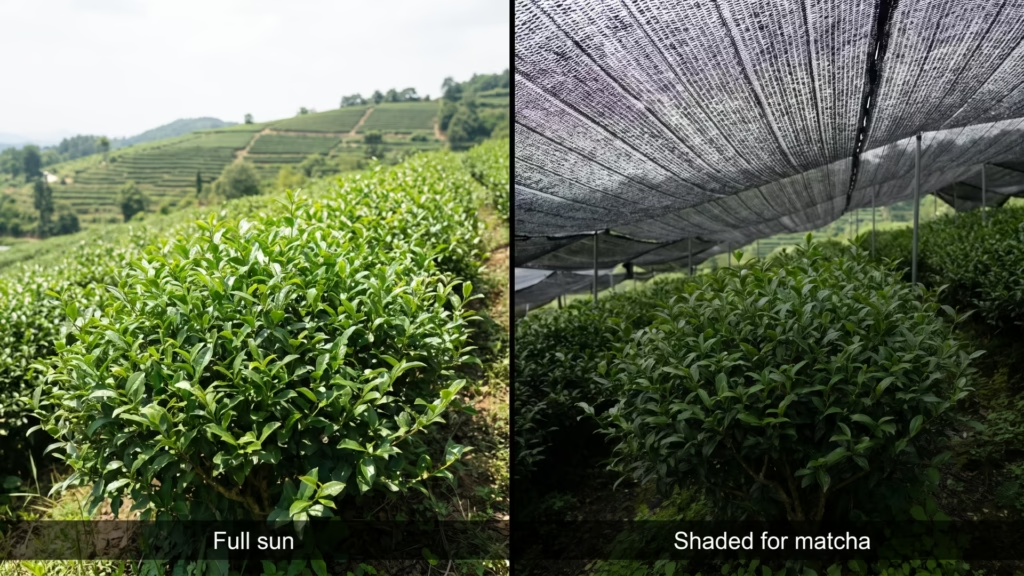
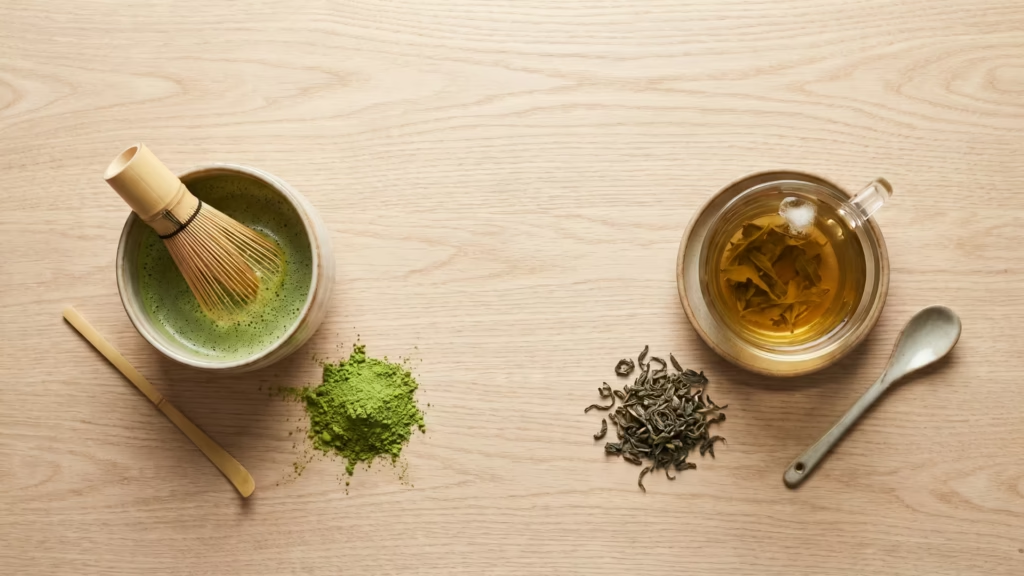
What happens after harvest is where the real story begins. Regular green tea is harvested in full sun, dried, rolled, and packaged as loose tea leaf or tea bags. Steep it, and the leaves get tossed once the flavor transfers.

Matcha takes longer. Plants are shaded for weeks before harvest, boosting chlorophyll and amino acid content (more on that shortly), then steamed, dried, and stone-ground into a fine powder.

So is matcha a green tea? Matcha is a specific type of powdered green tea, made through a specialized cultivation process. Think of it as green tea’s concentrated, ceremonial cousin, and you can browse the full range of matcha grades to see just how varied that “cousin” can get.
Taste What Actually Sets Them Apart

Matcha vs Green Tea Taste: What Actually Sets Them Apart

If you’ve had both, the difference is hard to miss.

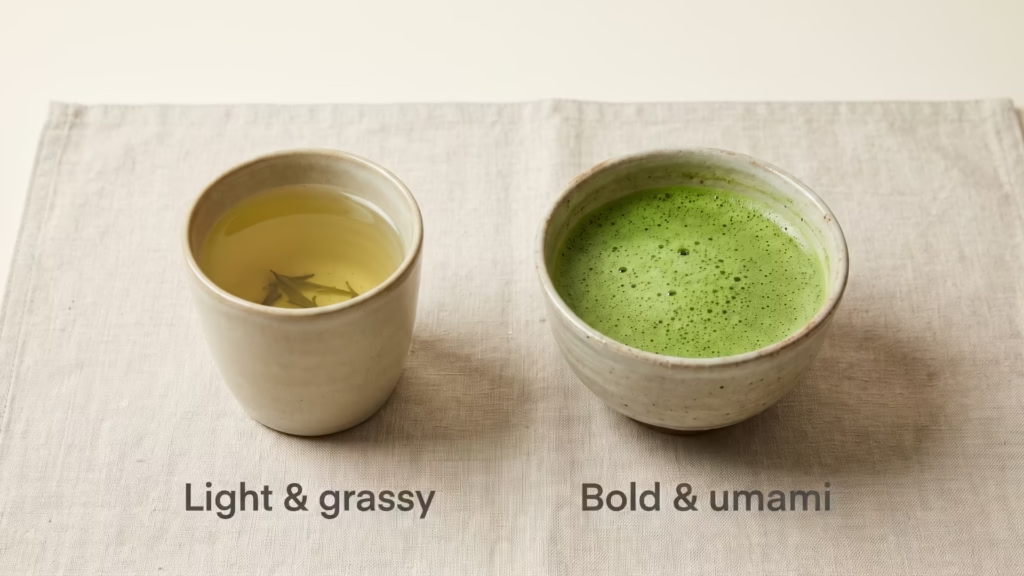
Green tea is light, with grassy, slightly vegetal notes and a clean finish. Some varieties lean sweeter, others more astringent, but it stays fairly mild overall. A cup of Sencha is a good example of this clean, grassy profile at its best.

Matcha is a different experience: rich, slightly bitter upfront, finishing with a distinct umami depth. That vibrant green powder isn’t just for show, either. It comes from chlorophyll built up during shading, and usually signals a higher grade of matcha. A quick breakdown:
  • Green tea: light, grassy, clean
  • Matcha: bold, earthy, umami-forward
  • Ceremonial matcha: sweeter, meant to be sipped on its own
  • Culinary-grade matcha: stronger, built for lattes and baking. Matcha Culinary is a solid starting point if you’re leaning this way.
Health Benefits

Health Benefits of Matcha and Green Tea

Both drinks share a strong nutritional foundation. Green tea has long been studied for its potential role in supporting cardiovascular health, largely thanks to its catechin content. Catechins, particularly EGCG (epigallocatechin gallate), are linked to antioxidant activity that may support heart health and manage oxidative stress.

Where things diverge is concentration. Since matcha involves consuming the whole leaf rather than steeping and discarding it, it delivers a more concentrated dose of these compounds, plus notable dietary fibre. Don’t write off regular green tea, though. It’s still an excellent source of antioxidants and fits easily into a daily routine.
Caffeine and L-Theanine

Caffeine and L-Theanine: Why Matcha Hits Differently

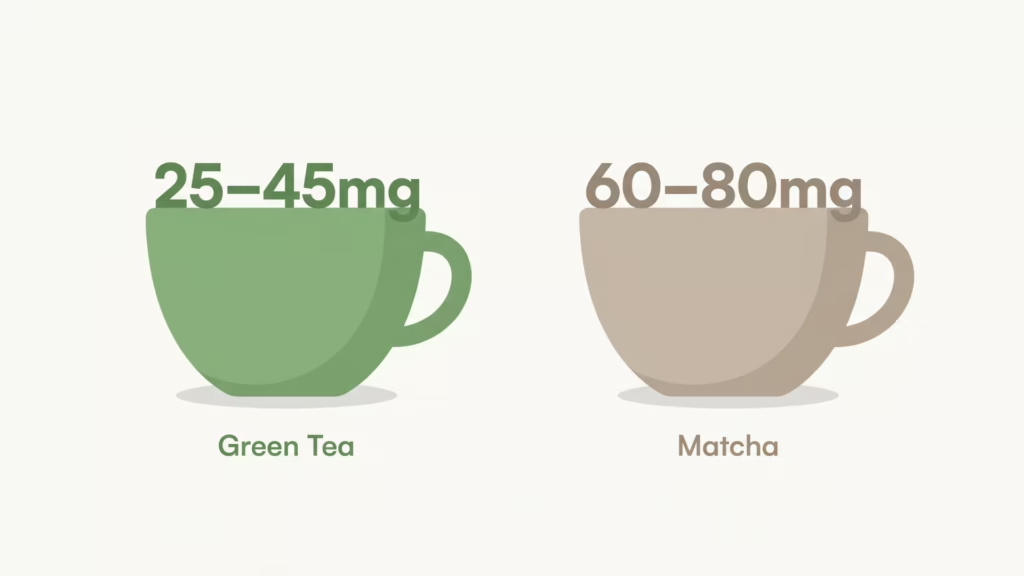
Matcha contains more caffeine than regular green tea, and it’s not close. A typical serving (1-2 teaspoons) delivers roughly 60-80mg per cup, vs. 25-45mg for regular green tea. The whole-leaf factor explains the gap: steeping only pulls a portion of caffeine out of the leaf, while matcha delivers all of it.

But raw numbers only tell half the story. Both teas contain L-theanine, an amino acid known for promoting calm, focused alertness rather than a jittery spike. Matcha simply has a lot more of it, and that extra L-theanine slows how fast caffeine gets absorbed into the bloodstream. That’s why matcha’s energy feels smoother and longer-lasting than a quick coffee jolt, which is why people reach for it over espresso when they want sustained focus without the crash.

Worth noting: because matcha's effects last longer, skip it late in the day if caffeine tends to mess with your sleep.

How to Prepare Matcha vs Green Tea

How to Prepare Matcha vs Green Tea

Green tea is straightforward. Steep tea bags or loose tea leaves in hot water (not boiling, around 175-185°F) for 2-3 minutes, then remove the leaves and drink.

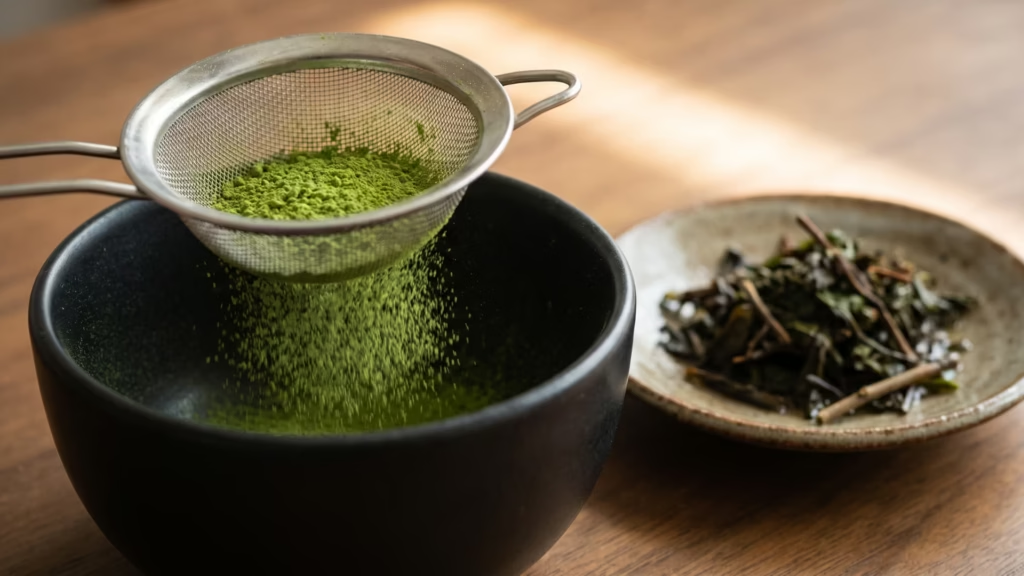
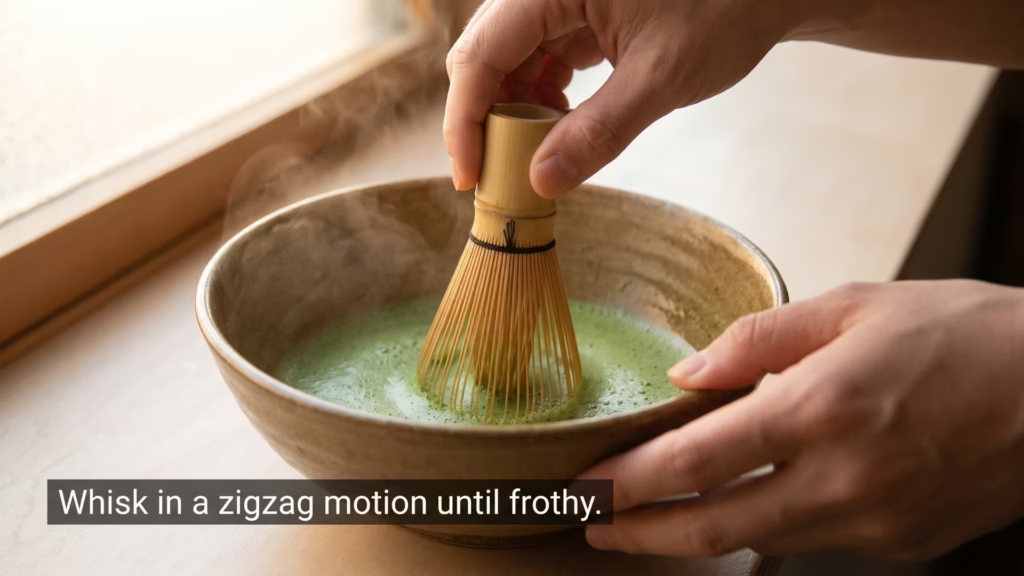
Matcha takes a bit more ritual. Sift the powder to break up clumps, add hot water, and whisk briskly in a zigzag motion until frothy. Traditionally this uses a bamboo whisk called a chasen, a staple of Japanese tea ceremonies for centuries. A Matcha Ritual Set comes with everything needed to get started. Plenty of people skip the ceremony and blend matcha into a latte with steamed milk instead.

Neither method is hard once you’ve done it a couple of times.
Which Should You Choose

Green Tea vs Matcha: Which Should You Choose?

It’s not really either-or. Want something light and low-maintenance? Regular green tea is hard to beat. Want a more concentrated dose of nutrients, bolder flavor, and steady energy that doesn’t crash? Matcha is worth the extra minute of prep. Plenty of tea drinkers keep both in rotation.

Frequently Asked Questions

Which is better, matcha or green tea?
Neither is objectively better. Matcha offers more concentrated antioxidants and a stronger caffeine boost; green tea is lighter and gentler for daily drinking.
Yes. Matcha is a type of powdered green tea made from the same Camellia sinensis plant, just grown and consumed differently.
Processing (whole-leaf powder vs. steeped-and-discarded leaves), taste (bold umami vs. light and grassy), and caffeine (matcha has notably more).
Matcha typically has 60-80mg per cup vs. 25-45mg for regular green tea. Matcha’s higher L-theanine also makes that caffeine feel smoother.
Green tea is light, grassy, and mild. Matcha is bold, earthy, and umami-rich, with a slightly creamy texture.

Leave a Reply

Your email address will not be published. Required fields are marked *

GET 10% OFF ON SIGNUP!

Best Selling Range:

Related Articles