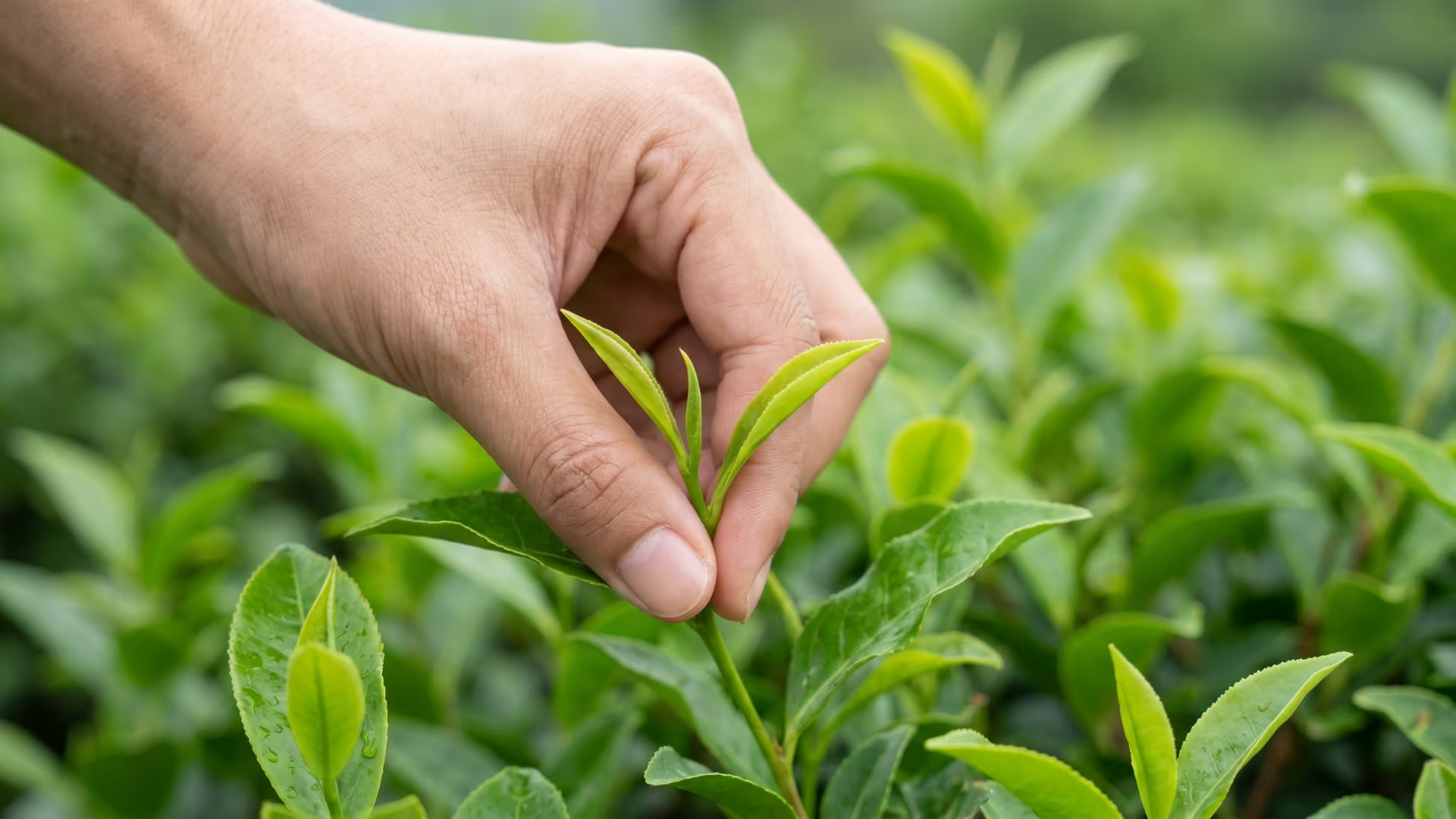
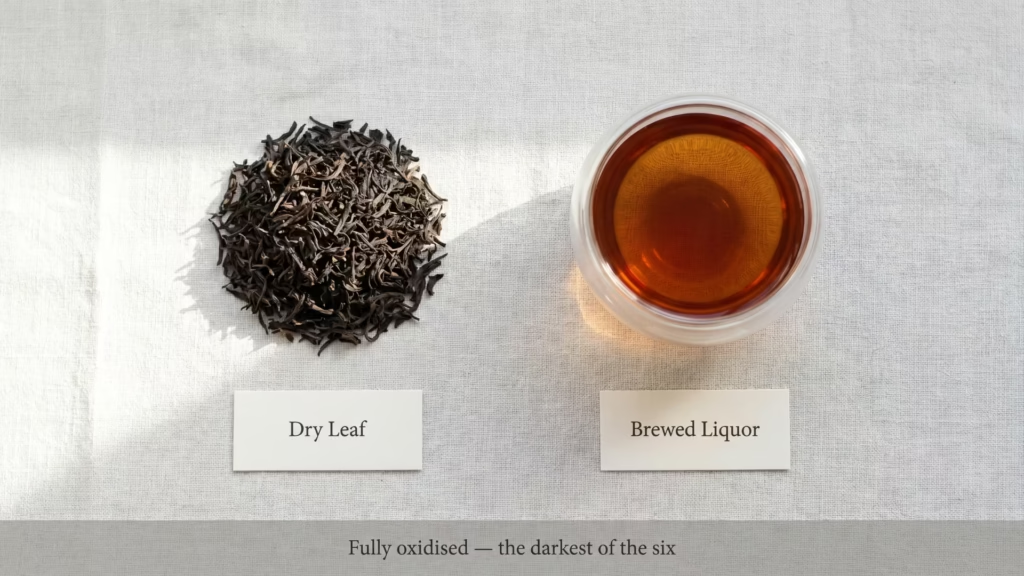
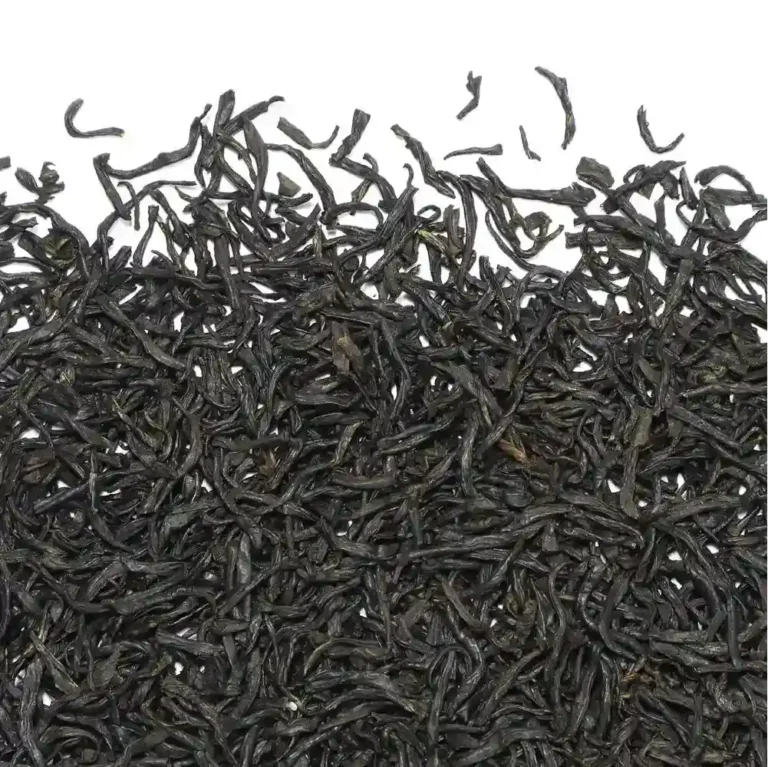
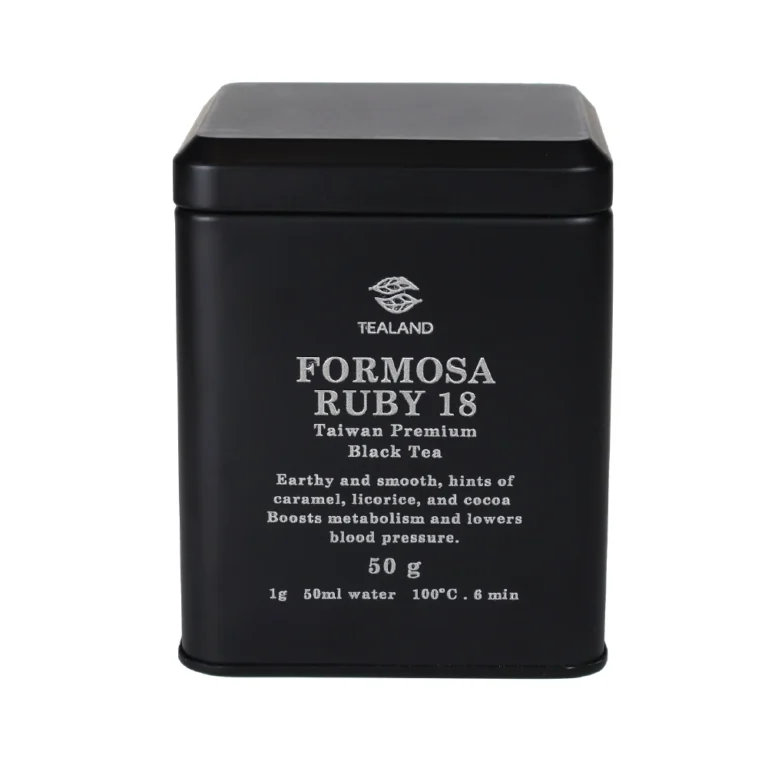
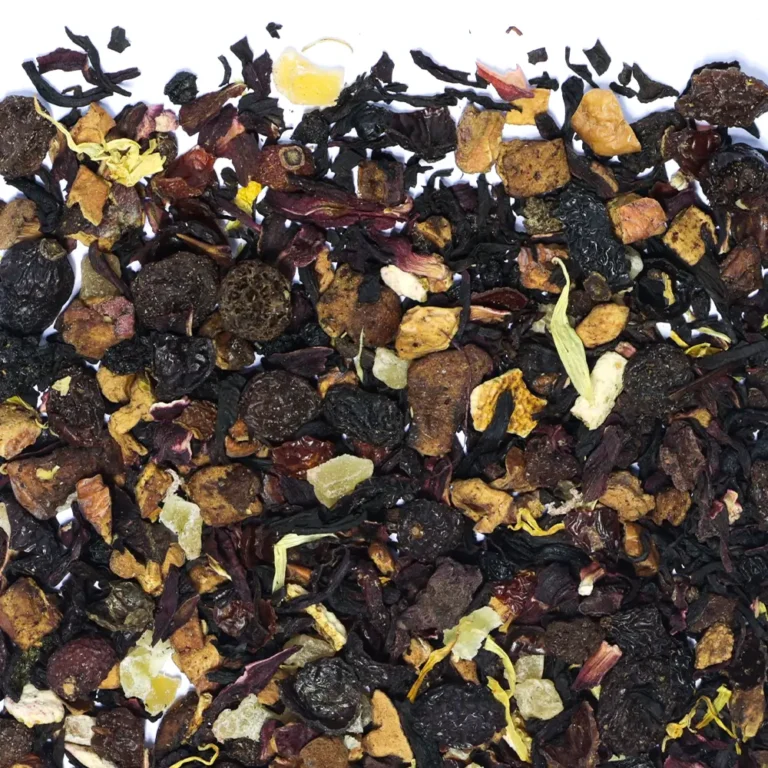
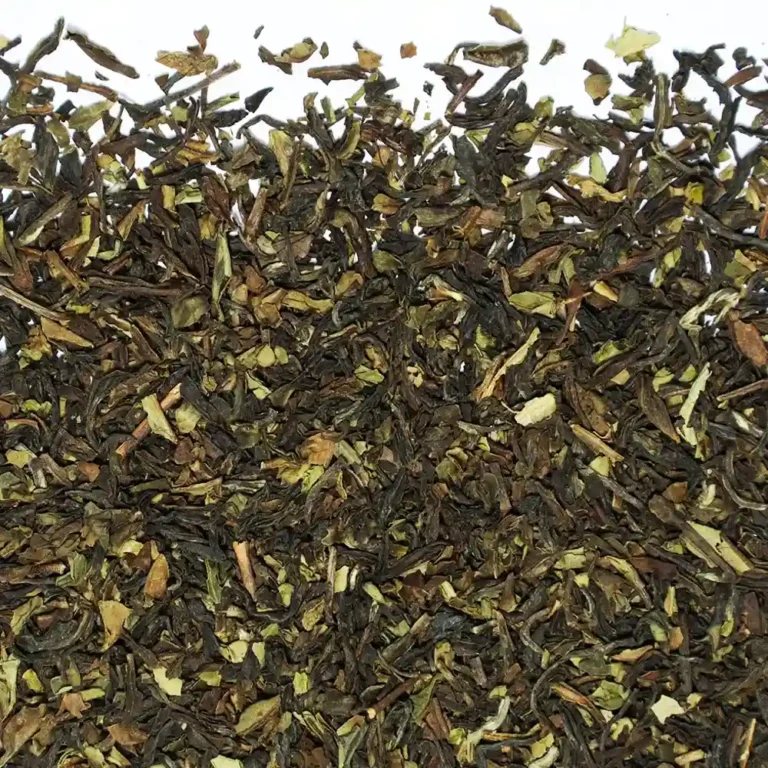
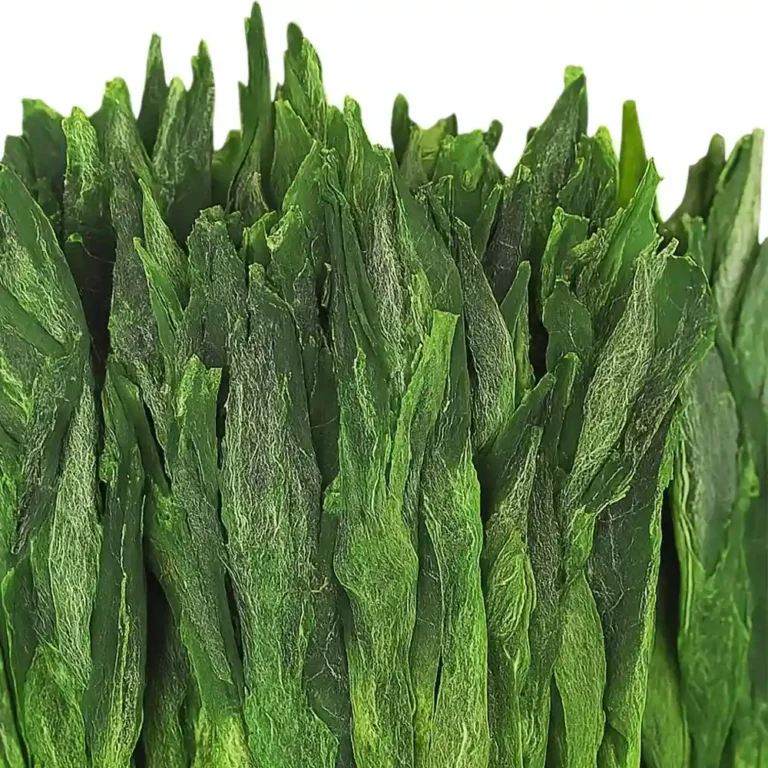
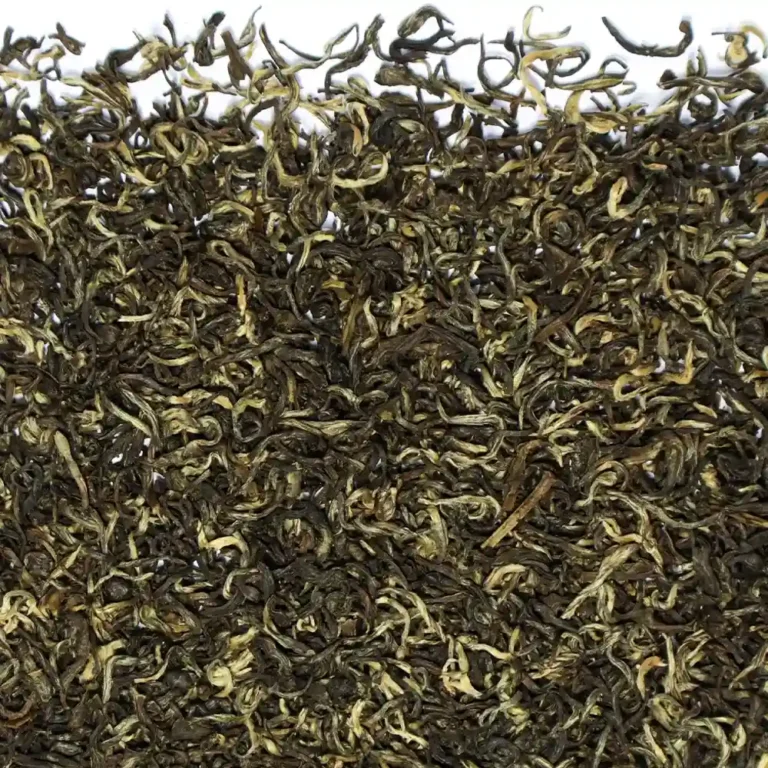
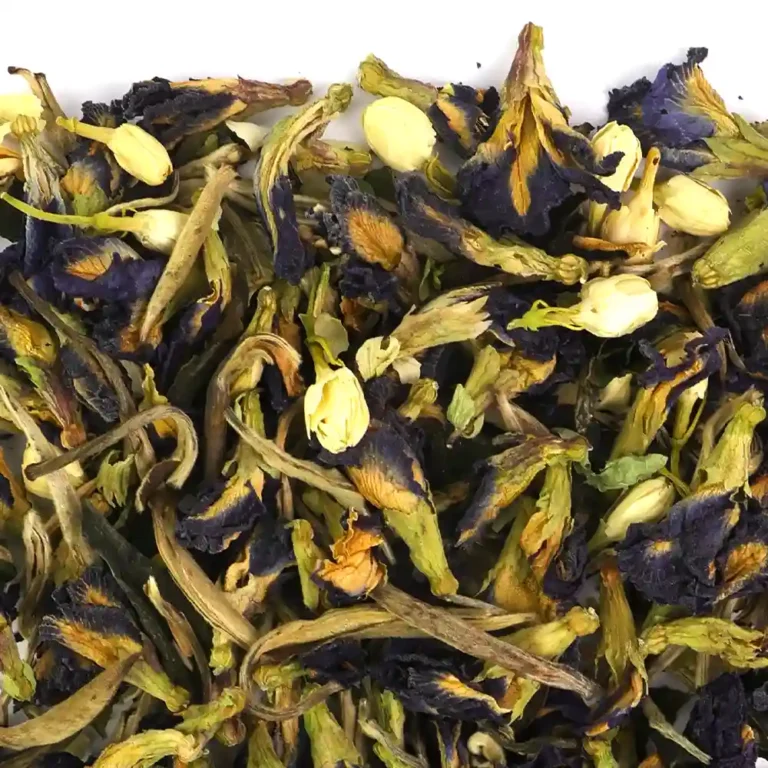
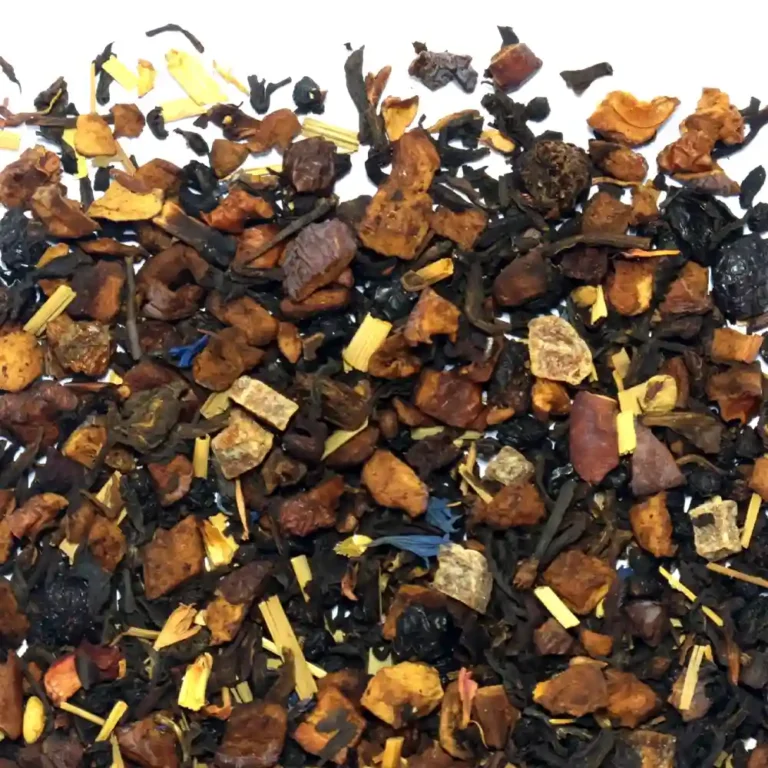
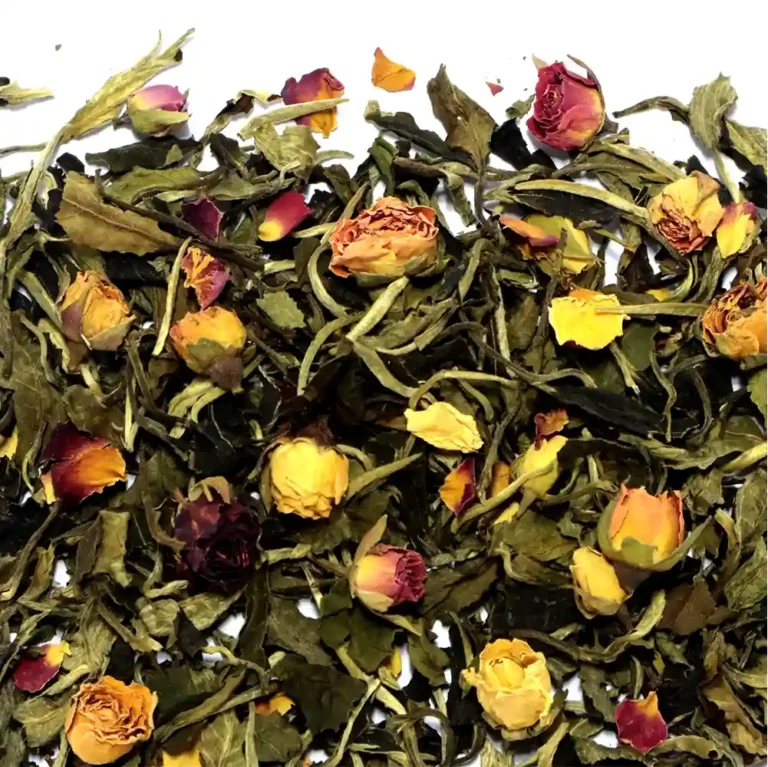
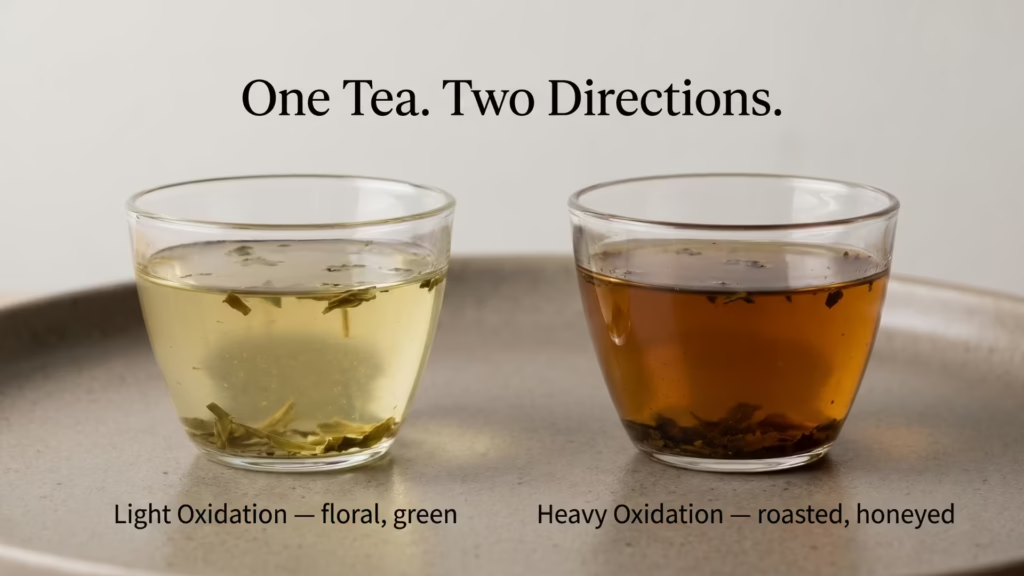
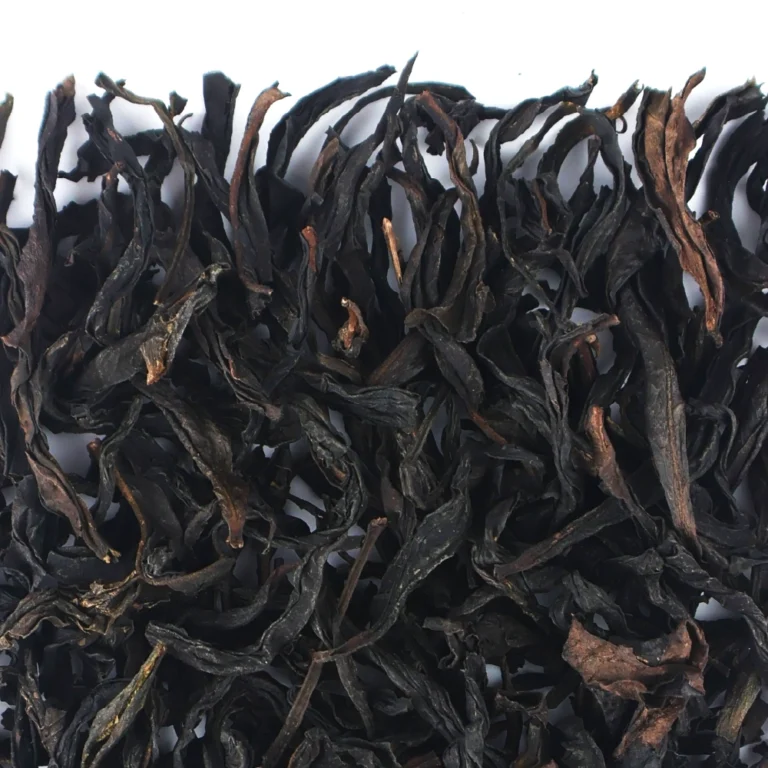
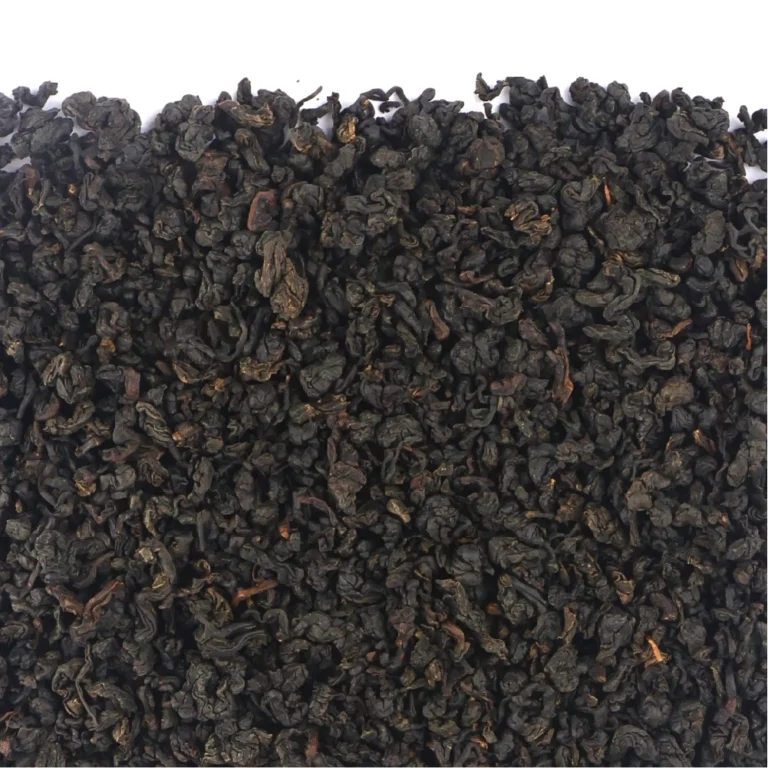
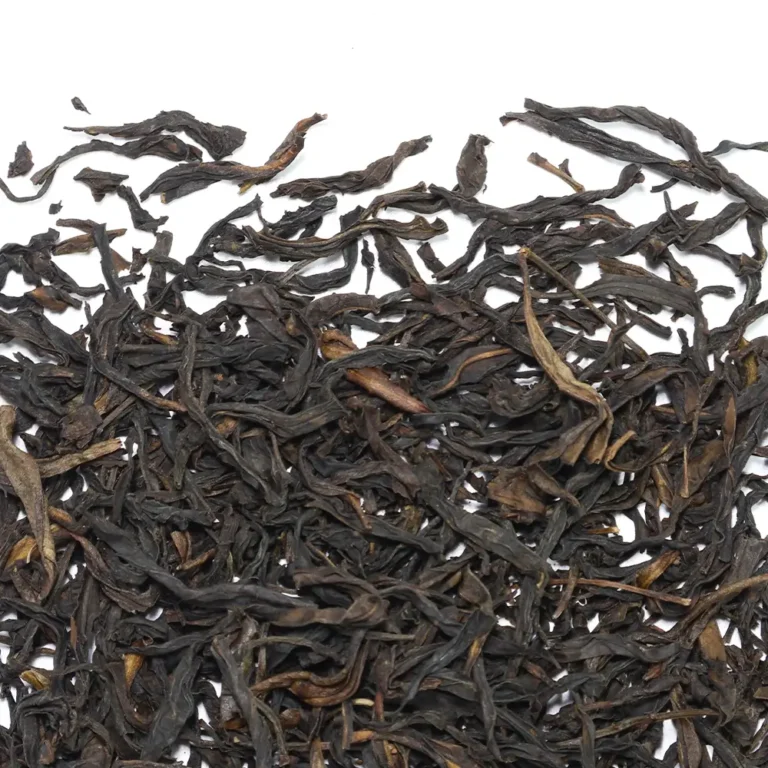
There are six main types of true tea — black, green, white, oolong, yellow, and pu-erh — and then a whole separate world of herbal teas that most people group in with the rest. All six true teas come from a single plant: Camellia sinensis. What makes a black tea different from a green tea isn’t the plant. It’s what happens to the tea leaves after they’re picked.
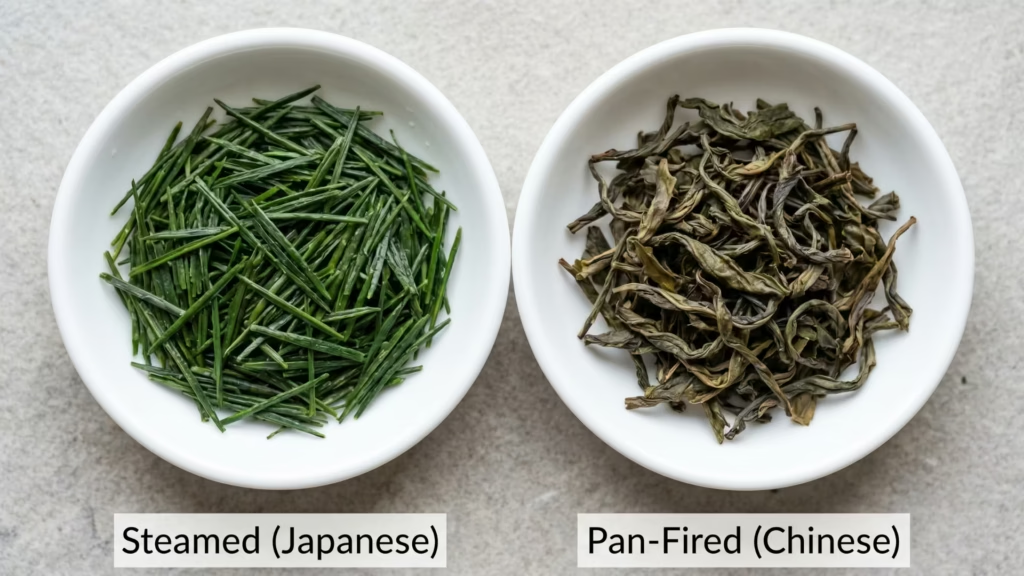
After harvest, the tea leaves are processed – dried, steamed, rolled, oxidised, or fermented and that’s where the different types of tea are born.
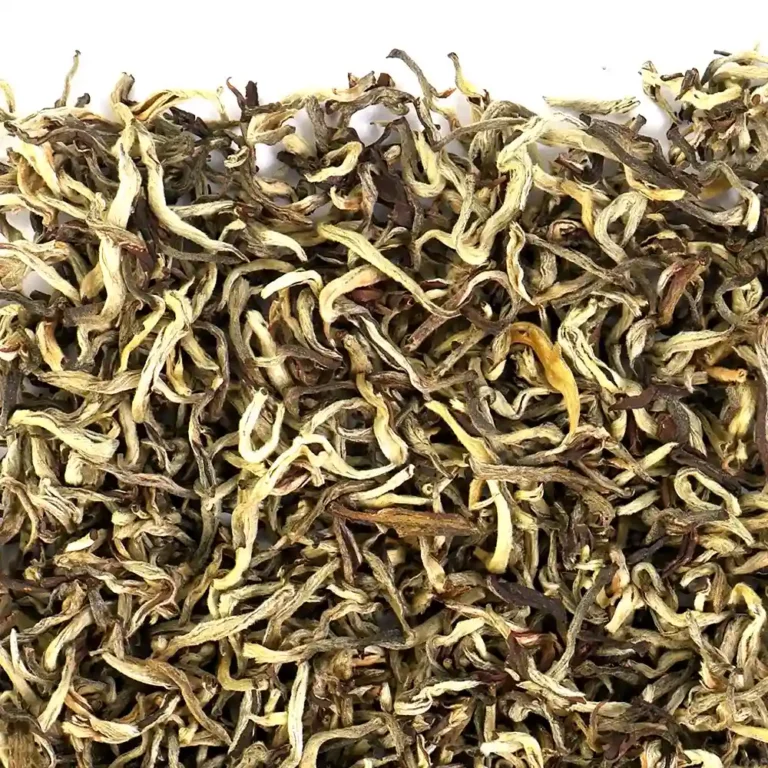
White tea is the least processed of all six types. Young buds and leaves are simply harvested and allowed to dry, with minimal human intervention. The result is a pale, delicate infusion with a naturally sweet and floral character.
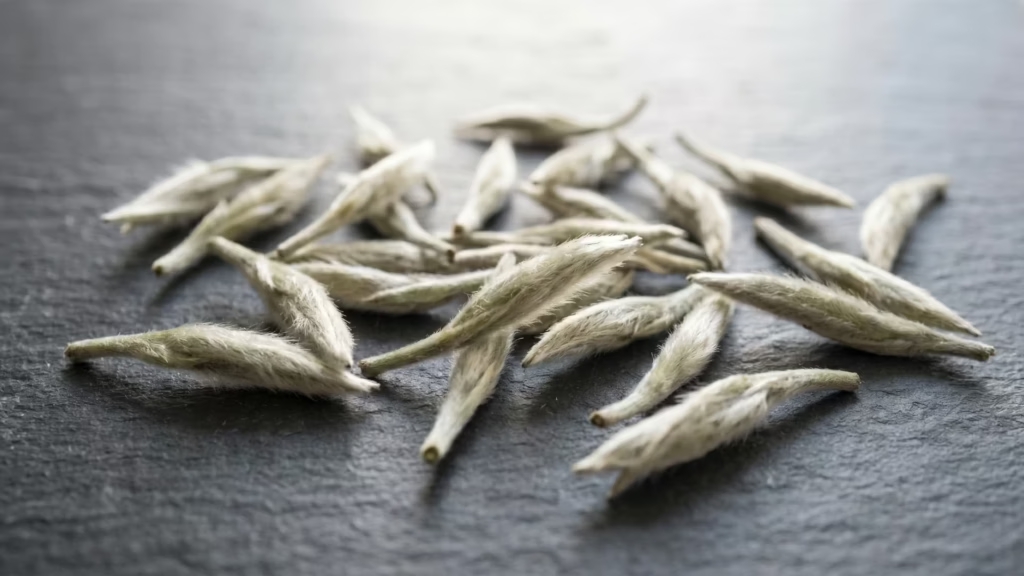
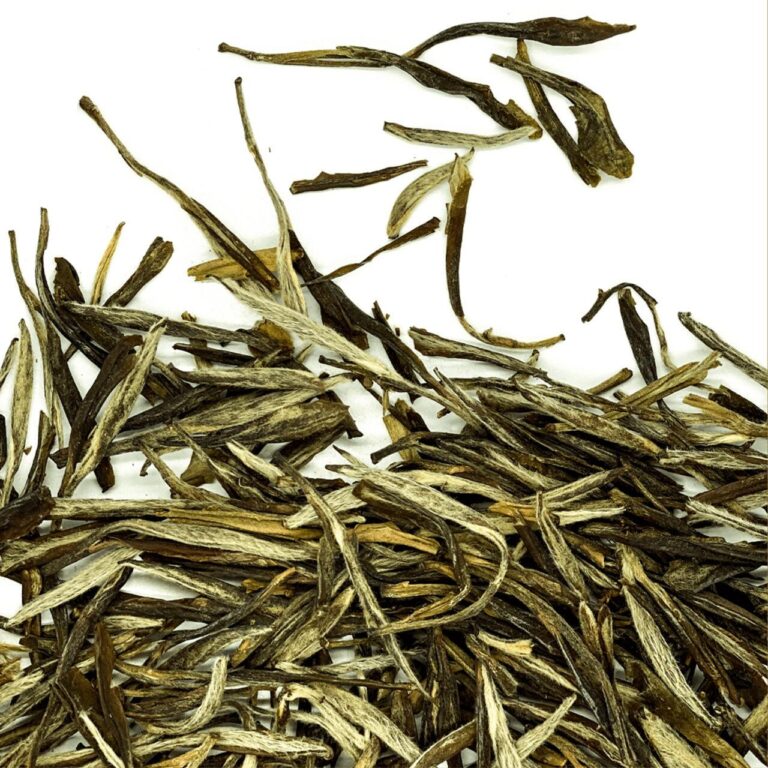
Baihao Yinzhen, or Silver Needles, is the most prized white tea variety — made entirely from young buds covered in fine white hairs. Think of it as tea in its most unguarded form.
Yellow tea is the rarest of the six. It goes through a unique process called sealed yellowing, where damp leaves are wrapped and rested before drying. The result is a mellow, smooth cup — slightly less grassy than green tea, with a natural sweetness. Genuinely hard to find outside of China.
Despite not being “true” teas, herbal varieties make up a significant and beloved part of the broader tea world.
Once you’ve covered the core types, tea gets even more interesting. There’s a whole range of specialty and wellness varieties that don’t fit neatly into the six-type framework — and they’re worth knowing about.
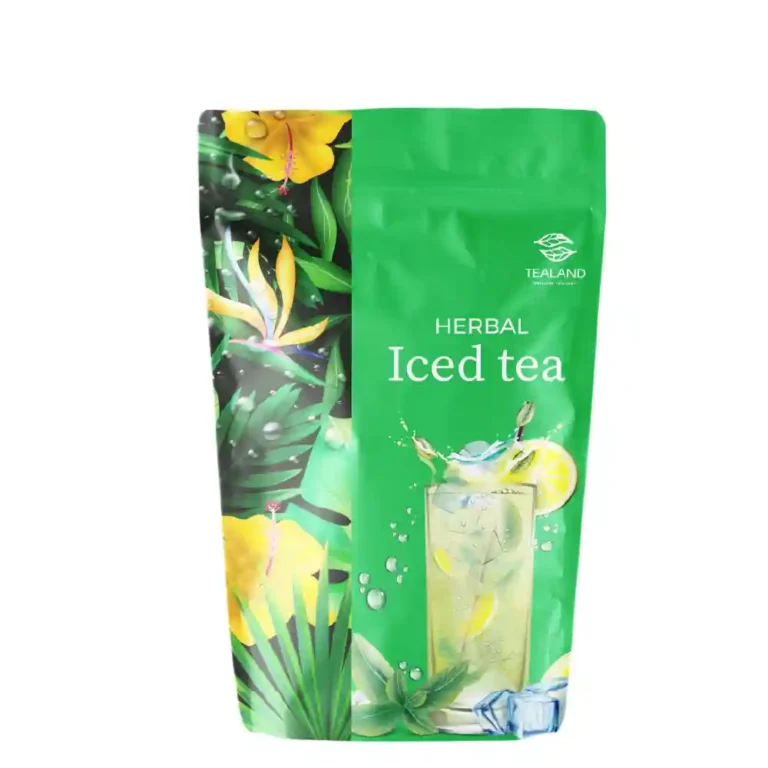
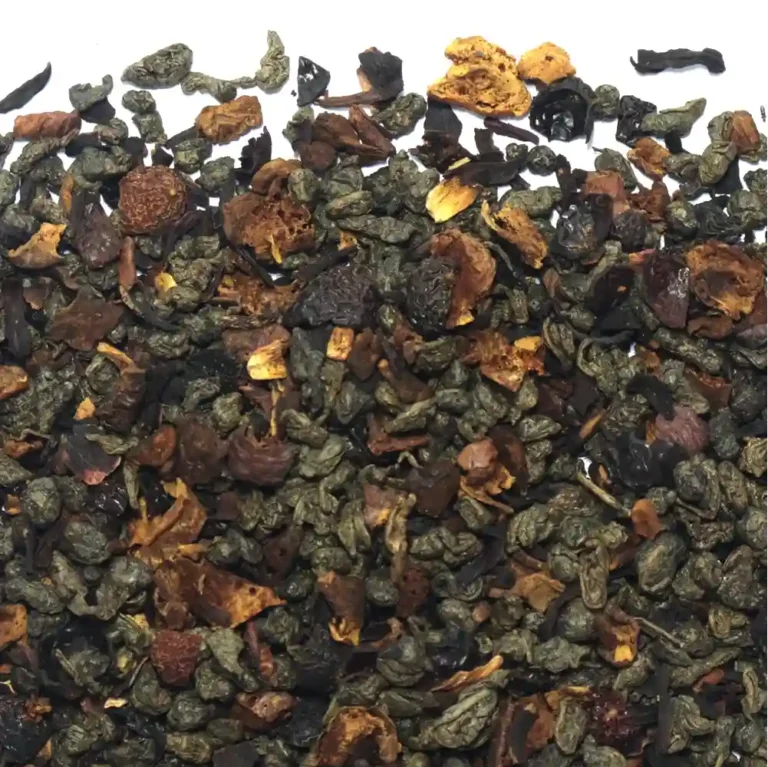
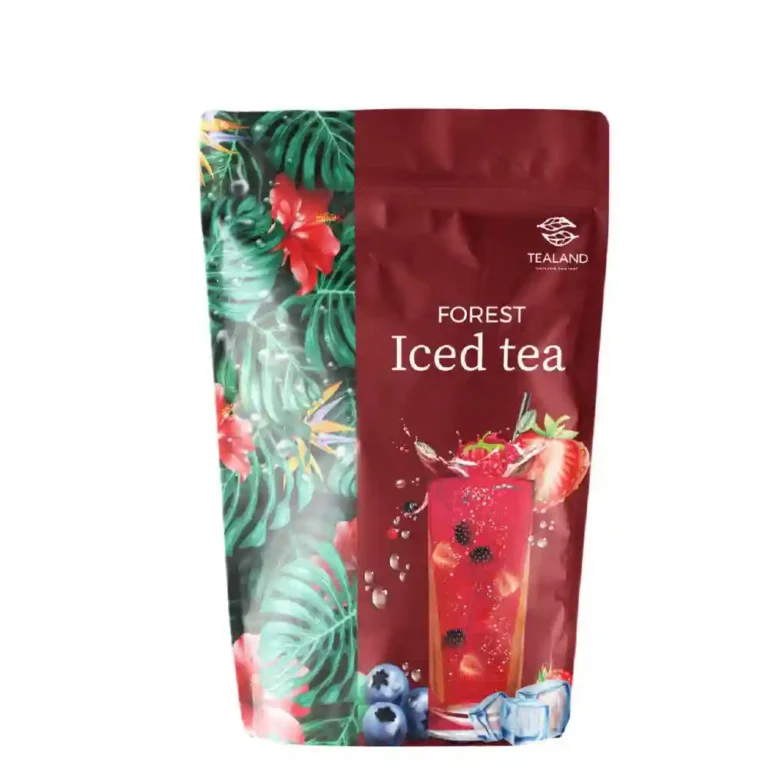
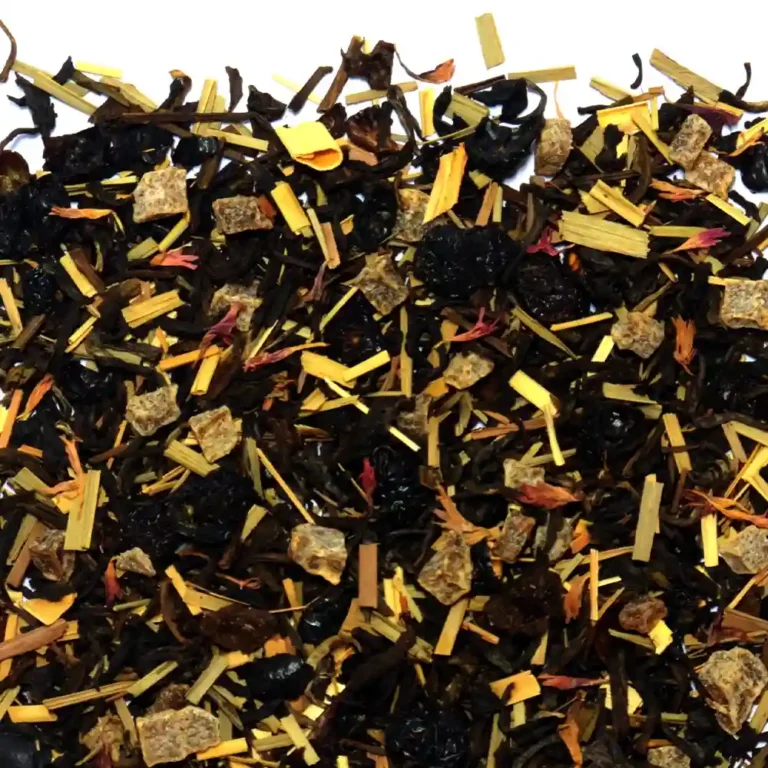
Fruit Melanges are blended infusions combining fruit pieces, hibiscus, rosehip, and other botanicals. Naturally sweet and caffeine-free, they’re especially popular as iced tea and are a great entry point for people new to herbal drinking.
Yerba Maté sits in its own category altogether. Made from the leaves of the Ilex paraguariensis plant native to South America, it contains caffeine — making it one of the few herbal-style drinks that actually gives you a lift. It has a bold, grassy, slightly bitter taste and is traditionally sipped through a filtered straw called a bombilla.
Ginseng tea is brewed from the root of the ginseng plant and is widely consumed across East Asia for its warming properties. It has an earthy, slightly bitter flavour and is often blended with honey or other herbs.
Saffron tea is made by steeping saffron threads — one of the world’s most prized spices — in hot water. The result is a golden, floral cup with a subtle sweetness. Popular across the Middle East and South Asia, it’s as much about ritual as it is about taste.
Single herb teas are exactly what they sound like: one herb, steeped on its own. Lavender, rosemary, lemon verbena, tulsi — the list is long. No blending, no added flavours. Just the plant, pure and straightforward.
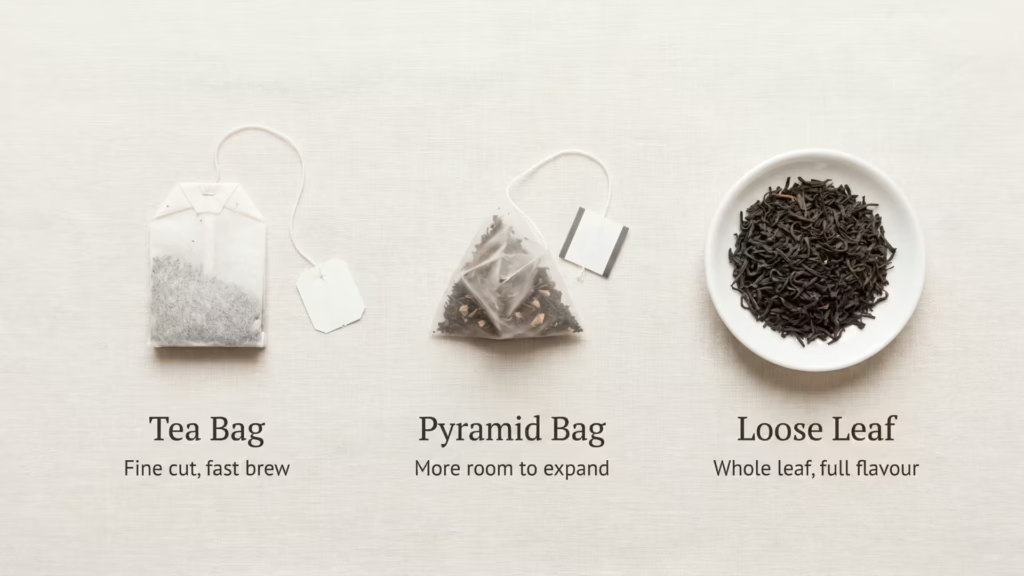
Most commercial tea bags contain CTC (cut, tear, curl) processed leaf, fine particles designed to brew fast. Convenient, yes. But in terms of flavour complexity, loose leaf tea is in another league.
With loose leaf tea, the whole leaf (or large pieces of it) unfurls as it steeps, releasing oils and aromas gradually. Pyramid-style tea bags offer a middle ground — more space for the leaf to breathe and expand than a standard flat bag allows.
Not sure where to start? A few simple pointers:
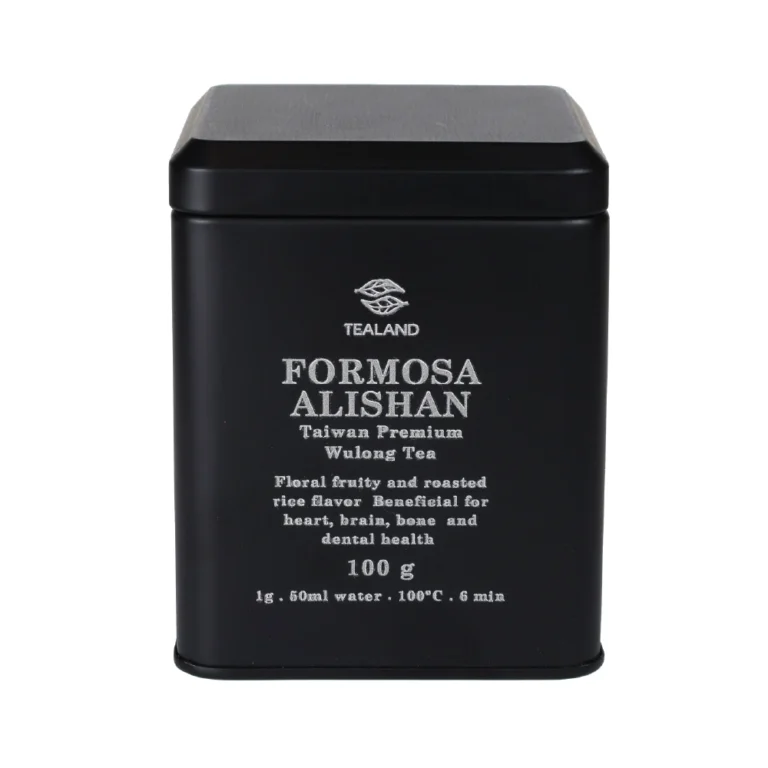
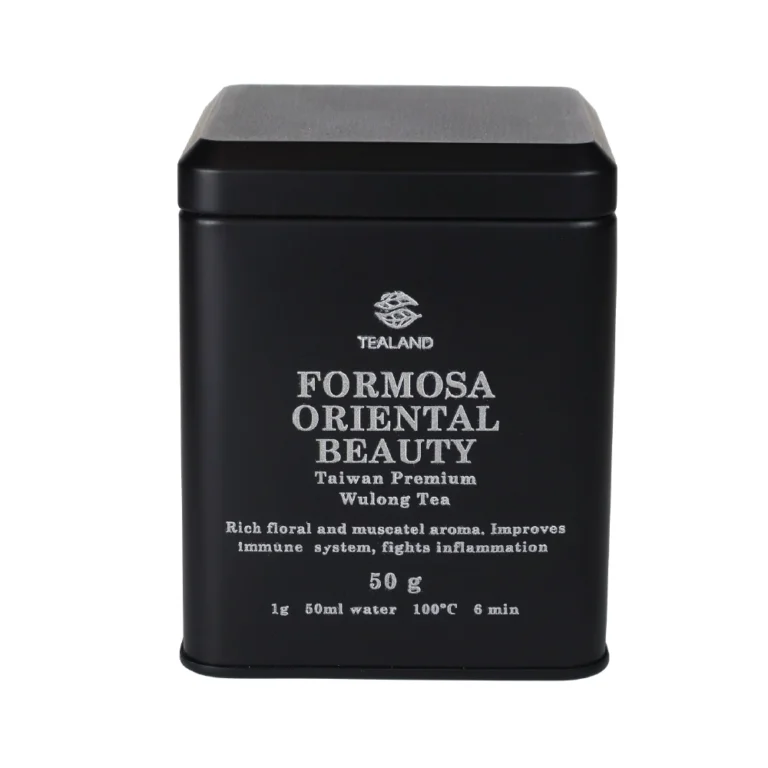
At Tealand, you’ll find premium teas across every category covered here — from classic loose leaf teas and pyramid bags to specialty and wellness varieties sourced with real care.