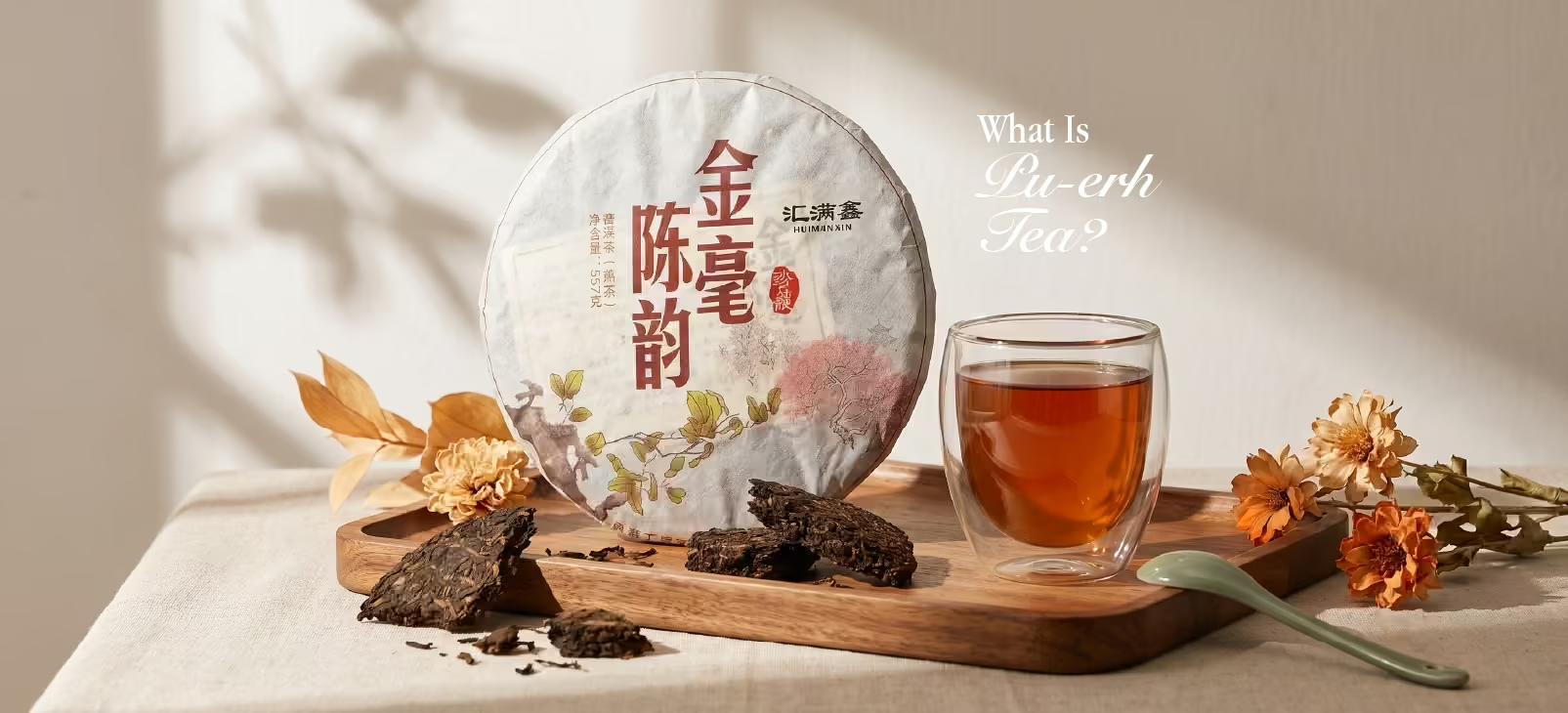
Pu-erh is a fermented tea from Yunnan Province, China, aged over months or years to develop a depth of flavour no other tea quite replicates. If you’ve only ever tried black tea or green tea, pu-erh will surprise you. It’s earthier, richer, and far more complex. And once you get it, you really get it.
Key Takeaways
- Pu-erh tea is a fermented tea made from the Camellia sinensis plant, produced almost exclusively in Yunnan Province, China.
- There are two main types: Sheng (raw) and Shou (ripe pu-erh), each with a distinct flavour profile and fermentation process.
- Regular consumption may support digestion, weight management, and blood lipid levels, though results vary by individual.
- Caffeine content is moderate to high, comparable to black tea.
- Those with heart conditions, during pregnancy, or on certain medications should consult a doctor before drinking pu-erh regularly.
A Dark Tea With Ancient Roots
Long before it became a favourite among serious tea drinkers, pu-erh was a trading commodity carried across the Tea Horse Road, connecting Yunnan to Tibet and beyond. Merchants discovered that tea pressed into a tea cake and carried over long journeys actually improved in taste over time. That accidental discovery is what pu-erh tea is built on.
Made from large-leaf varieties of the Camellia sinensis plant, this is a traditional Chinese tea unlike anything else.
What sets it apart from other tea types isn’t just origin. Pu-erh undergoes microbial fermentation, developing its characteristic earthy taste and giving it a profile closer to wine than your average cup of tea. You can explore Tealand’s full Dark Tea & Puer range to see the variety available.
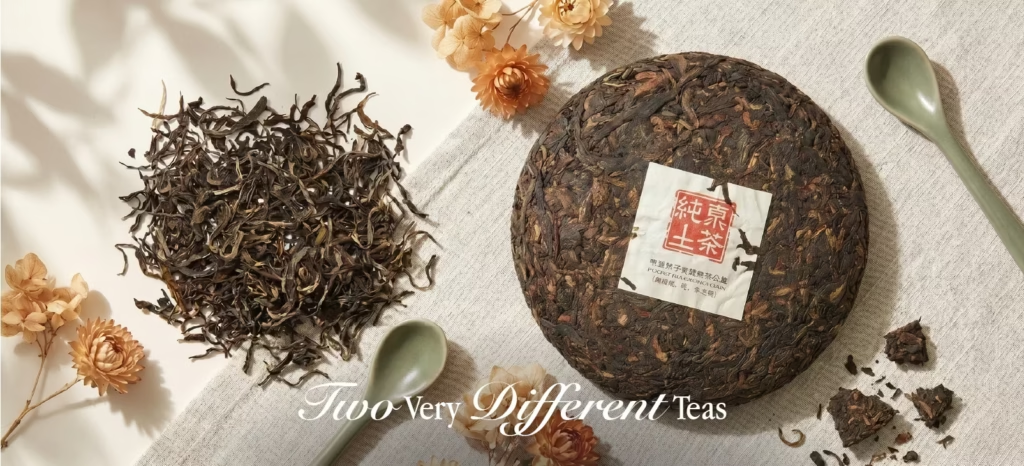
Sheng vs. Ripe Pu-erh: Two Very Different Teas
New to pu-erh? The first thing to understand is that “pu-erh” isn’t a single style of tea. There are two distinct forms of pu-erh, and they taste nothing alike.
Sheng (Raw Pu-erh)
- Made from sun-dried tea leaves with minimal processing
- Aged naturally over years, sometimes decades
- Young sheng is grassy and astringent; aged pu-erh becomes smooth and complex
- Considered the more traditional type among enthusiasts
Shou (Ripe Pu-erh)
- Undergoes an accelerated fermentation process developed in the 1970s, notably pioneered at the Kunming Tea Factory
- Tastes earthy, rich, and woody, with notes of dark chocolate
- Ready to drink much sooner than raw pu-erh
- A better starting point for anyone new to pu-erh
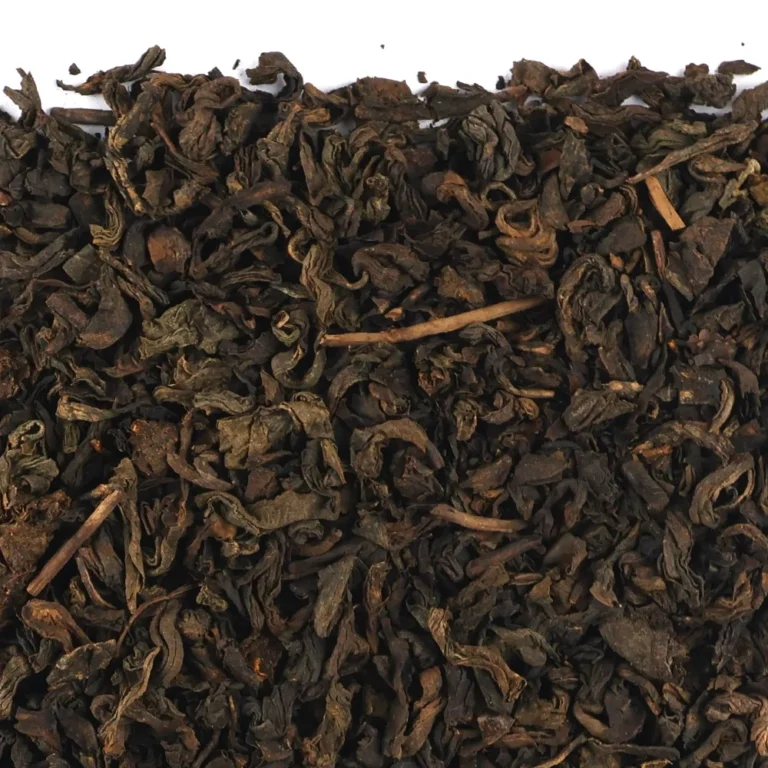
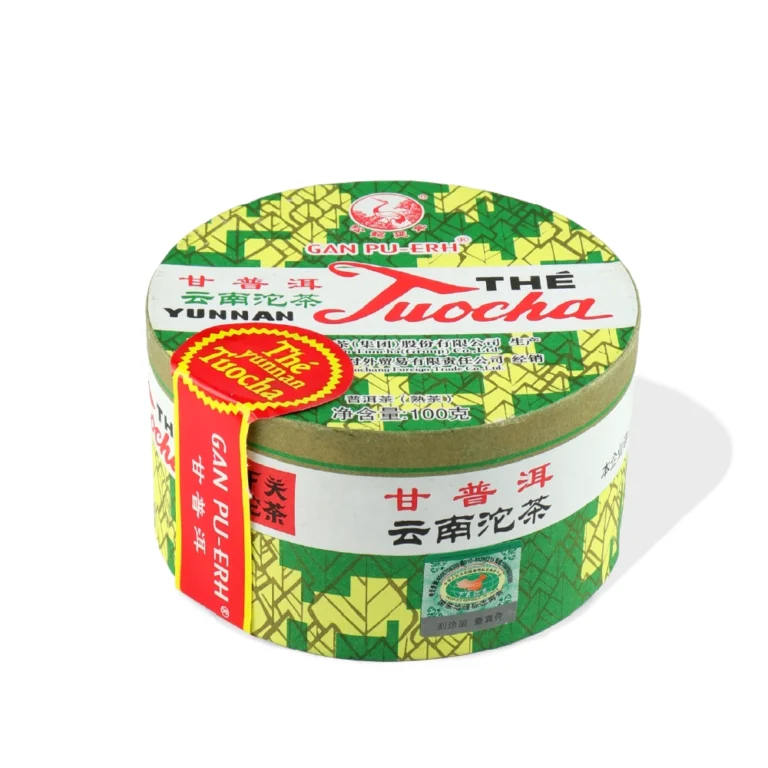
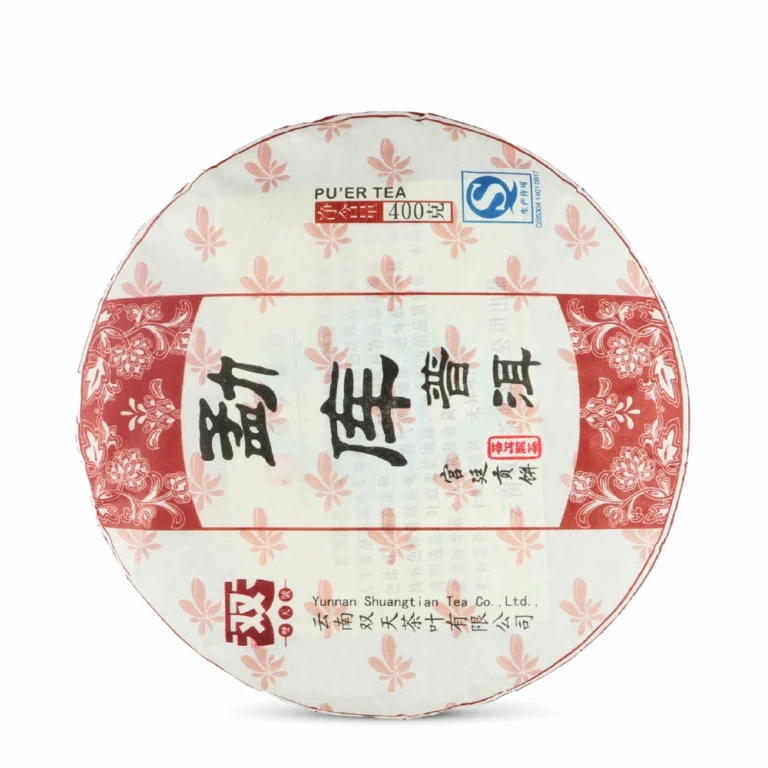
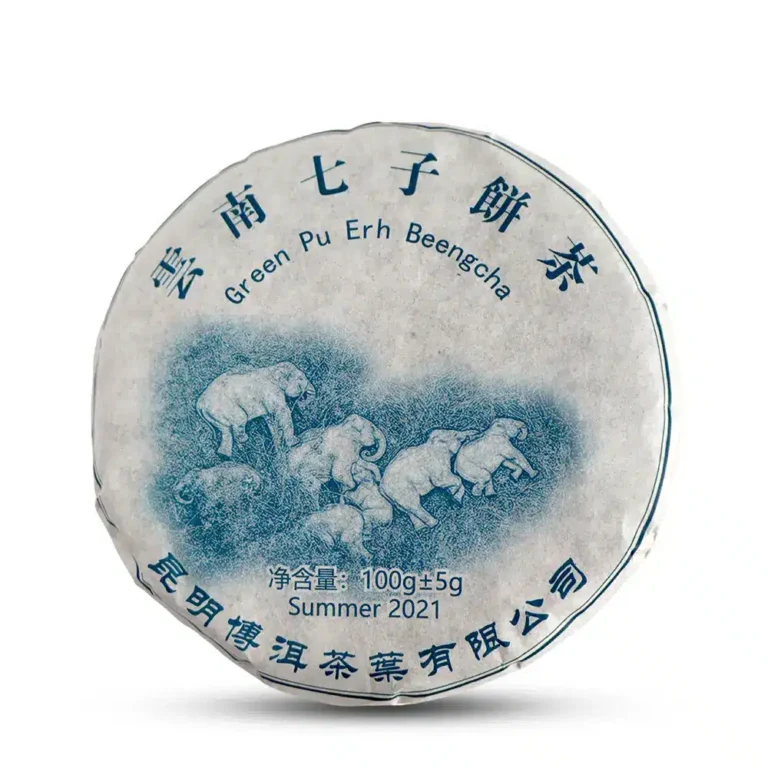
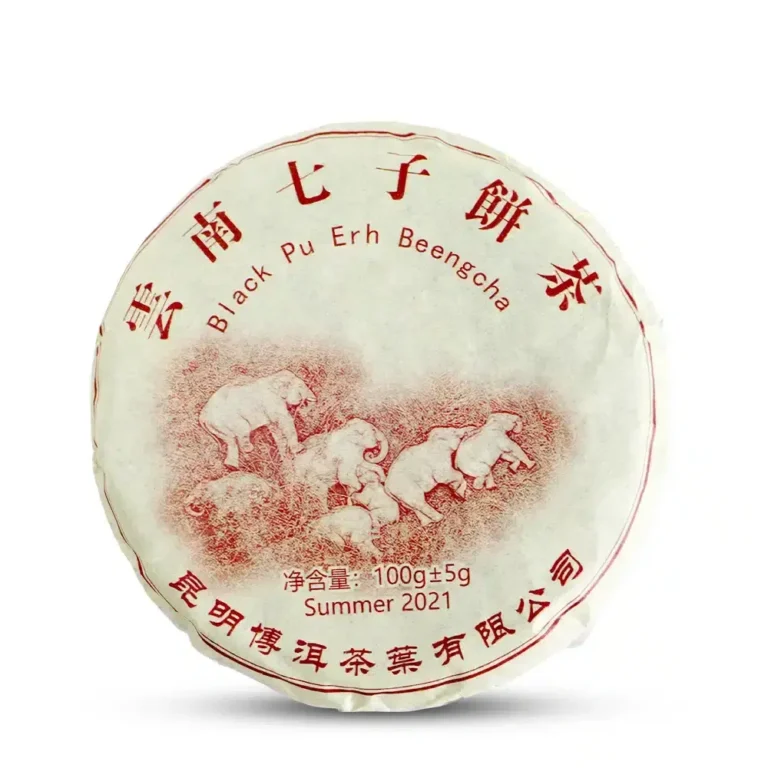
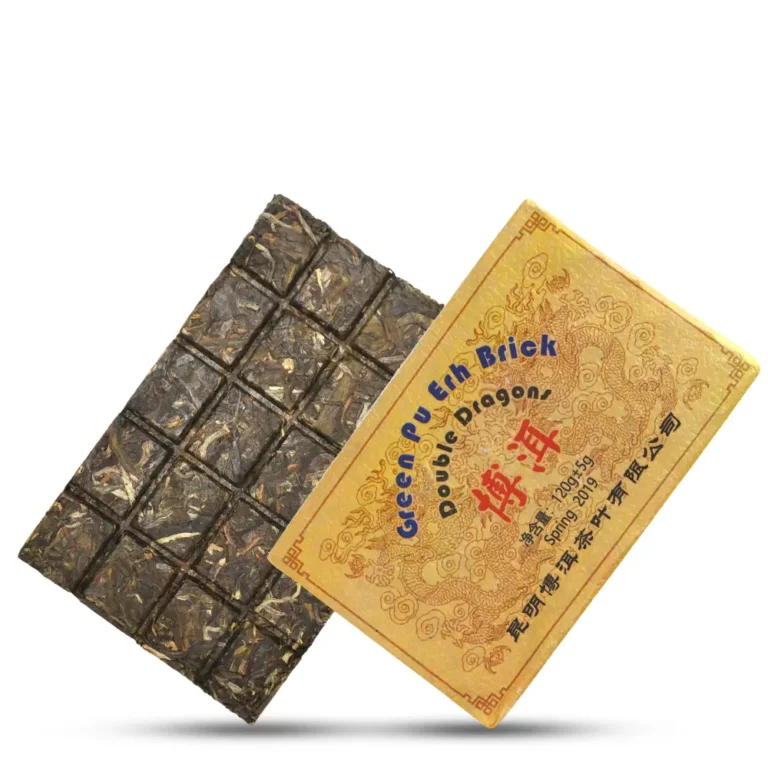
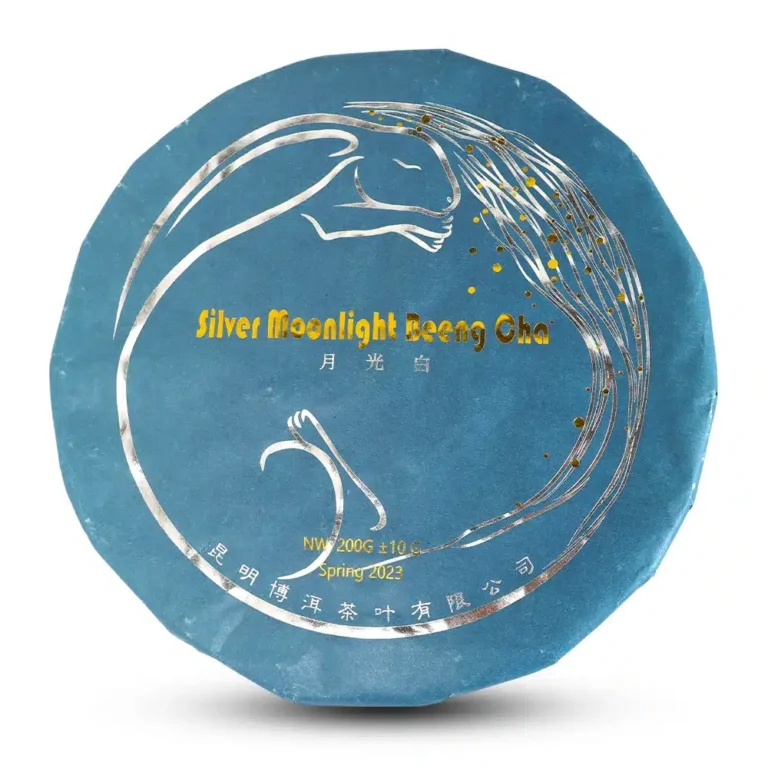
Both come in loose leaf tea and compressed tea cake forms. The pu-erh tea cake is probably the most iconic: tightly pressed discs of tea that you break apart before brewing.
No products found
What Does Pu-erh Tea Actually Taste Like?
The flavour profile of pu-erh is hard to pin down, and that’s part of the appeal. Earthy is the most common descriptor, but depending on the type and age, you might notice:
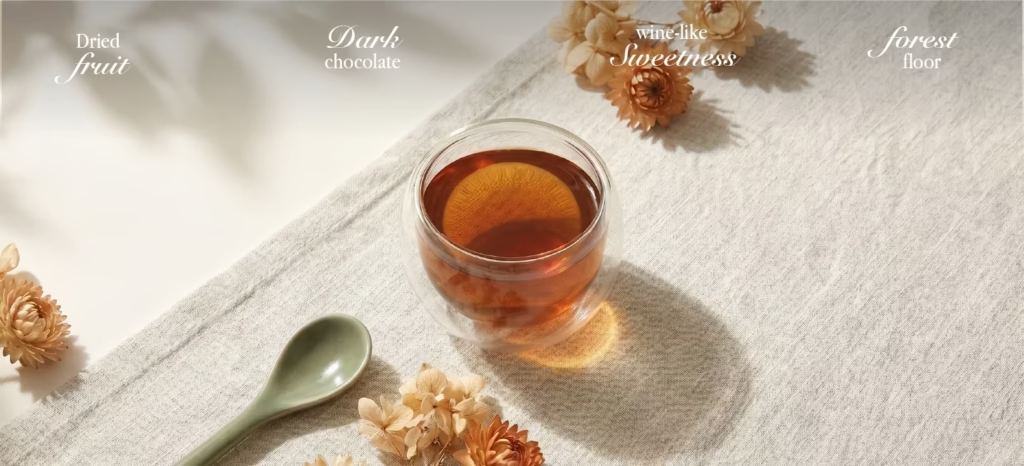
- Dark chocolate or forest floor (ripe pu-erh)
- Dried fruit or a floral, almost green quality (young sheng)
- A smooth, wine-like sweetness (aged pu-erh)
Unlike green tea, pu-erh has very little bitterness when brewed correctly. The fermentation process mellows it out considerably.
How to Brew Pu-erh Tea?
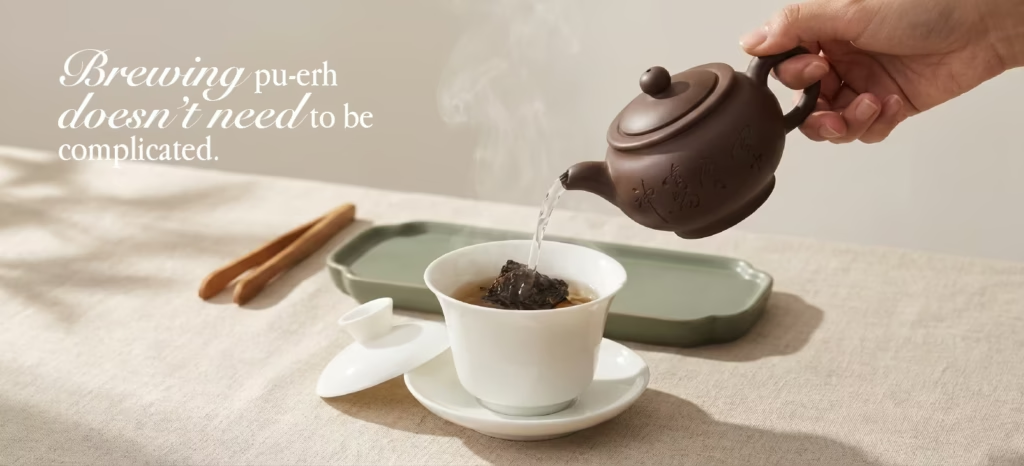
Brewing pu-erh doesn’t need to be complicated.
- Rinse first. Pour hot water over the leaves and discard after 10 seconds to open them up.
- Water temperature: Around 95°C for ripe pu-erh; 85–90°C for young sheng.
- Steep time: Start at 20–30 seconds, increasing gradually with each infusion.
- Vessel: A gaiwan or small clay teapot is ideal. Pu-erh is brewed multiple times, and the right tea infuser or teaware makes this easy to do at home.
Use roughly 5–7g per 100ml. With a tea cake, break off a similar amount with a pu-erh pick or the back of a teaspoon.
Effects & Health Benefits
Research into the health benefits of tea, pu-erh in particular, has produced some interesting results. Regular consumption may support:
- Gut health: Fermentation produces compounds that act as probiotics, supporting gut microbiota.
- Weight management: Some studies link pu-erh to lower body mass index in regular drinkers. If this is a priority, our slimming and cleansing teas are also worth exploring alongside it.
- Blood lipids: Evidence suggests pu-erh tea may help reduce blood lipid levels, though this is not a substitute for medical treatment.
Caffeine content is moderate to high, broadly similar to black tea. Drinking pu-erh tea in the afternoon might affect sleep if you’re sensitive to caffeine.
Side Effects Worth Knowing
Like any caffeinated drink, pu-erh has a few caveats worth keeping in mind.
The side effects of pu-erh tea are mostly caffeine-related: headaches, restlessness, or arrhythmia in those with existing heart conditions. Drinking too much pu-erh tea (more than 4–5 cups a day) can also put strain on the liver over time.
Who should be cautious: Pregnant and breastfeeding women, anyone on medication (particularly theophylline, voriconazole, or fluconazole), and those with chronic conditions affecting the heart or liver. When in doubt, speak to your doctor.
How to Spot Quality Pu-erh?
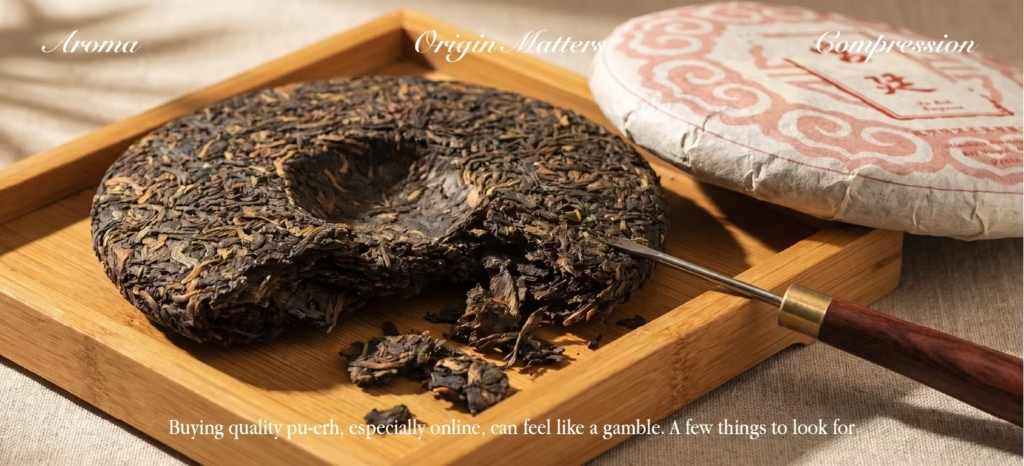
Buying quality pu-erh, especially online, can feel like a gamble. A few things to look for:
- Origin matters. Yunnan tea, specifically from ancient wild tea trees, is widely regarded as producing the best pu-erh.
- Aroma. Quality pu-erh should smell earthy and clean. A musty or sour smell usually signals poor storage.
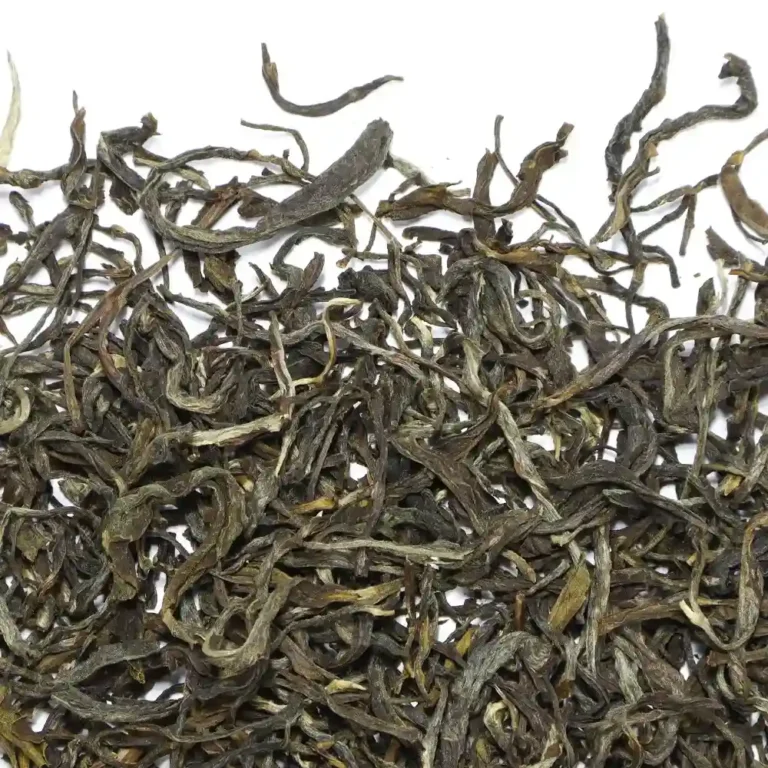
- Compression. A well-pressed tea cake should hold together without crumbling, with visible whole tea leaves rather than dust.
At Tealand, we source carefully and keep it simple. Quality tea, from places worth trusting…
Frequently Asked Questions
What is pu-erh tea good for?
Digestive health, weight management, and blood lipid support. Benefits are most consistent with regular, moderate consumption.
Is pu-erh tea high in caffeine?
Roughly comparable to black tea, around 40–70mg per cup depending on steeping time and type.
Who should not drink pu-erh tea?
Pregnant and breastfeeding women, those on medications like theophylline or fluconazole, and anyone with heart or liver concerns should check with a doctor first.
Can you drink pu-erh tea every day?
Yes, in moderation. One to three cups daily is reasonable for most healthy adults.
How do you recognise quality pu-erh?
Whole leaves, a clean earthy aroma, and confirmed Yunnan origin. If it crumbles or smells sour, pass.