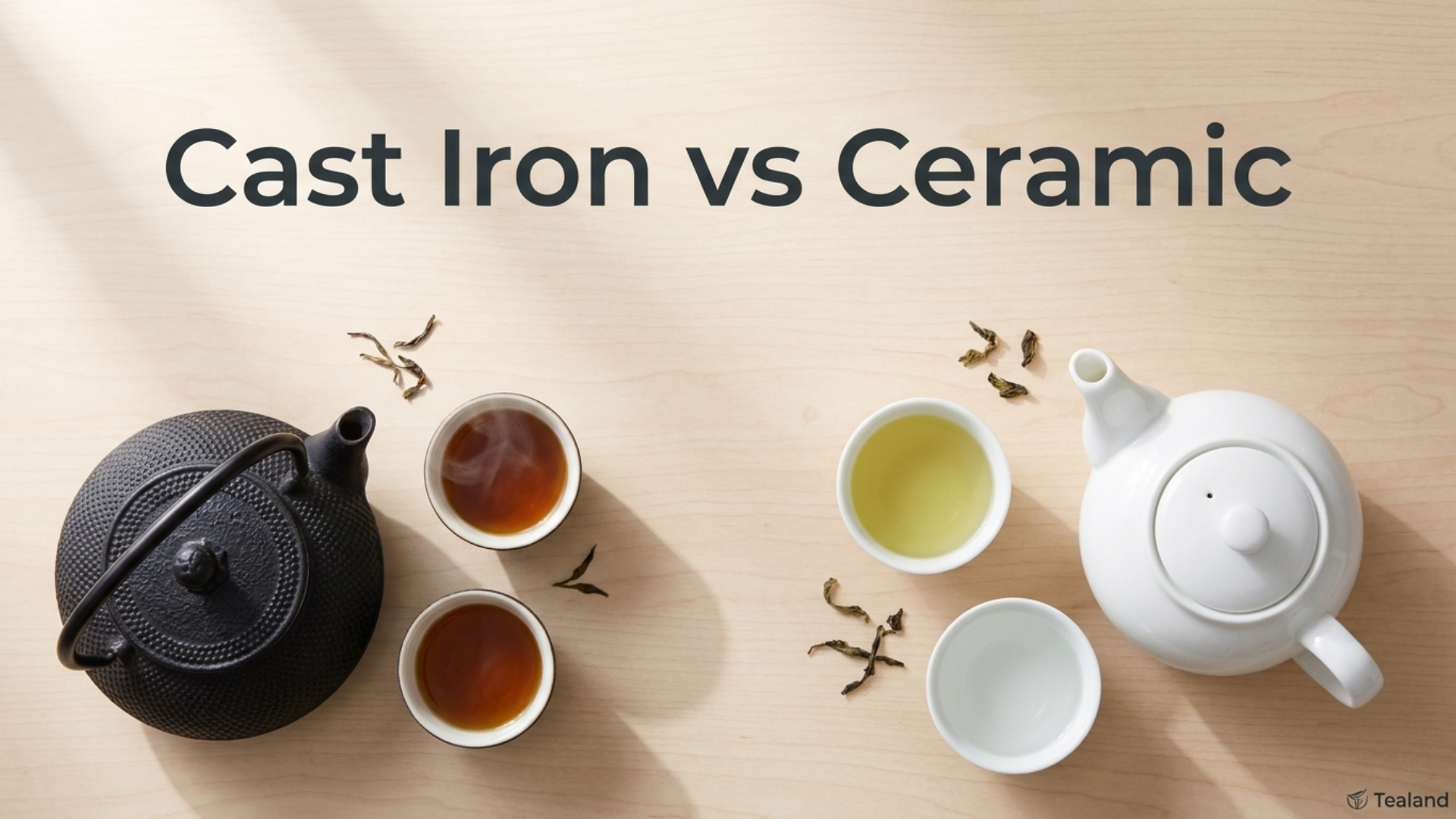
Cast iron wins on heat retention and durability. Ceramic wins on flavor purity and everyday ease. Neither teapot is universally better. The right one depends on what’s in your cup.
A tetsubin holds heat like a good thermos. Ceramic stays neutral and lets delicate leaf tea speak for itself.
Key Takeaways
- Cast iron teapots retain heat far longer thanks to iron's high heat capacity, ideal for black tea, chai, and long steeps.
- Ceramic teapots are non-reactive and preserve the true taste of green tea and white tea.
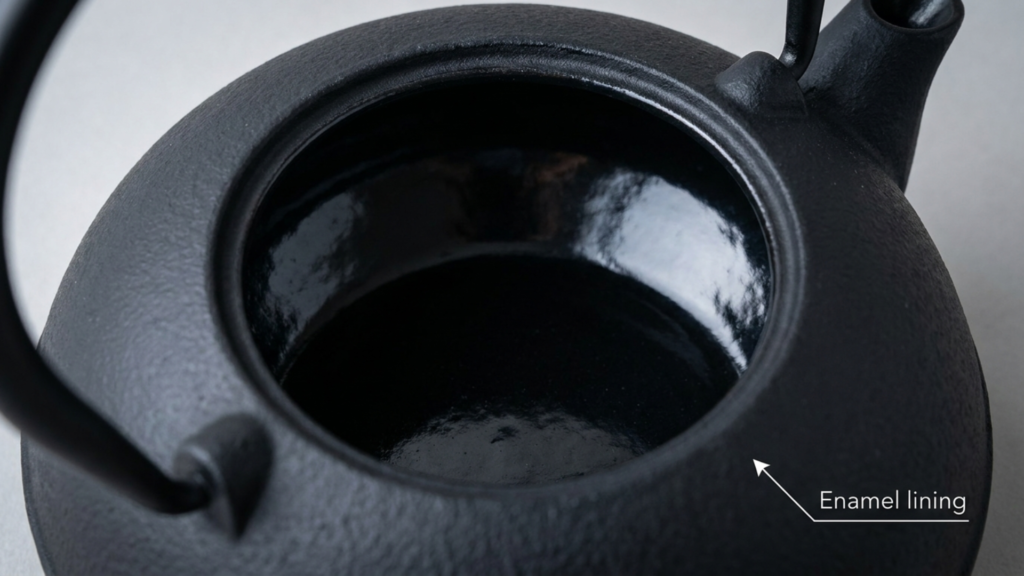
- Cast iron needs an enamel coating to prevent rust; ceramic has no such risk but can chip.
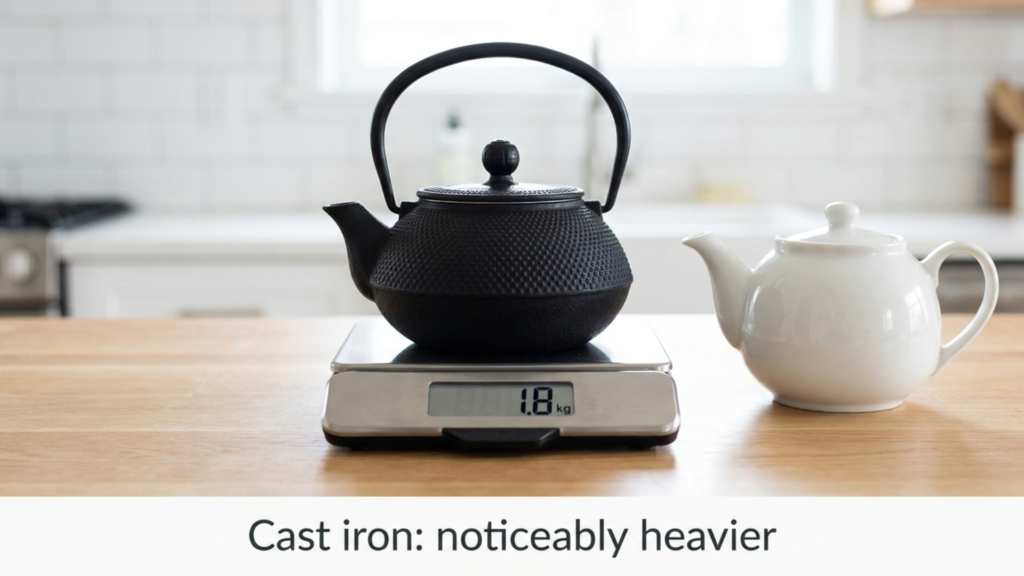
- Ceramic is lighter and easier for daily use; cast iron is the more durable teapots option long term.
- A glass teapot is worth considering too, especially for watching blooming tea unfurl.
Cast Iron Teapot vs Ceramic Teapot: The Core Differences
Both are classic choices, but they come from different traditions and serve different tea rituals.
A cast iron teapot, or tetsubin, originated in Japan, where it was first used to boil water over an open flame. Modern versions are usually enamel-lined inside, so the metal never touches your tea.
A ceramic teapot is fired clay, sometimes glazed porcelain like the kind from Jingdezhen. It’s been part of Chinese tea culture for centuries, prized for staying neutral against whatever you brew.
A cast iron teapot, or tetsubin, originated in Japan, where it was first used to boil water over an open flame. Modern versions are usually enamel-lined inside, so the metal never touches your tea.
A ceramic teapot is fired clay, sometimes glazed porcelain like the kind from Jingdezhen. It’s been part of Chinese tea culture for centuries, prized for staying neutral against whatever you brew.
| Feature | Cast Iron Teapot | Ceramic Teapot |
|---|---|---|
| Heat retention | Excellent | Moderate |
| Weight | Heavy | Light to medium |
| Best for | Black tea, long steeps | Green tea, delicate leaf tea |
| Maintenance | Dry after every use | Handwash, avoid drops |
Heat Retention: Why Cast Iron Teapots Excel
This is where cast iron pulls ahead, and it’s not close.
Iron has a naturally high heat capacity. It absorbs heat slowly and releases it just as slowly, which is why tetsubin became the vessel of choice in Japanese tea culture. Set one on the table during a long conversation, and the tea inside stays warm far longer than most materials manage. If you take forty minutes to finish a pot, this alone might settle things for you.
Tealand’s cast iron teaware collection is enamel-lined for exactly this reason, so you get the heat retention without worrying about the metal touching your tea.
Iron has a naturally high heat capacity. It absorbs heat slowly and releases it just as slowly, which is why tetsubin became the vessel of choice in Japanese tea culture. Set one on the table during a long conversation, and the tea inside stays warm far longer than most materials manage. If you take forty minutes to finish a pot, this alone might settle things for you.
Tealand’s cast iron teaware collection is enamel-lined for exactly this reason, so you get the heat retention without worrying about the metal touching your tea.
How Ceramic Teapots Keep Tea's Flavor Pure
Ceramic isn’t chasing heat retention. It’s protecting flavor.
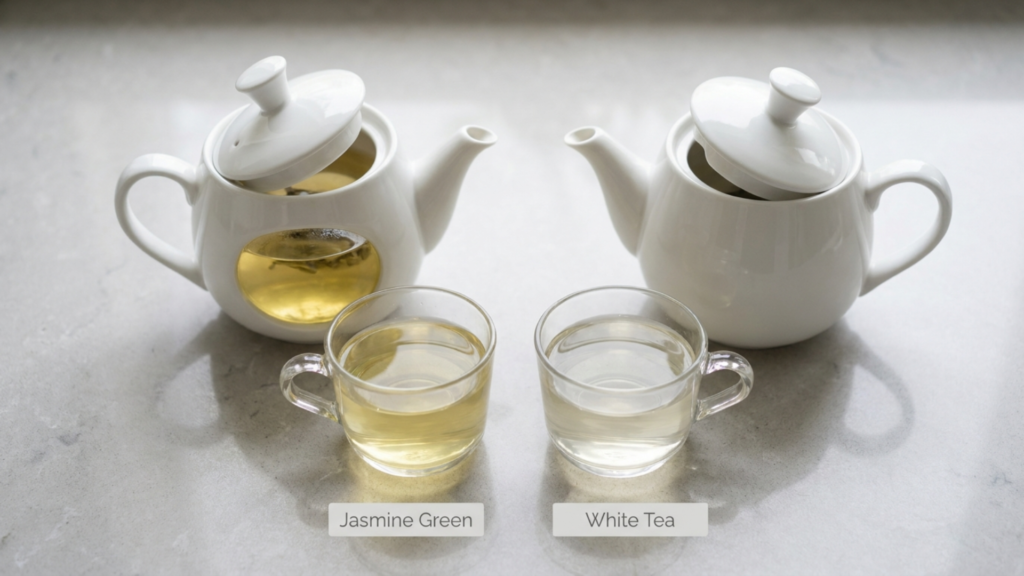
A well-made ceramic or porcelain pot has a smooth, non-porous surface, so it doesn’t absorb aromas from previous brews. Brew jasmine green tea on Monday and white tea on Friday, and neither carries the other’s taste.
Cast iron’s enamel lining helps, but the metal underneath still holds more heat than delicate leaf tea usually wants. Ceramic holds a gentler, more even temperature that suits lighter teas better. If you mostly drink green tea, ceramic is the safer bet, and Tealand’s ceramic and porcelain teaware collection has a range built for exactly that kind of everyday brewing.
Durability and Rust: Which Teapot Can Handle Daily Use?
Durability isn’t just about which material survives a drop. It’s about what kind of damage you’re willing to manage day to day.
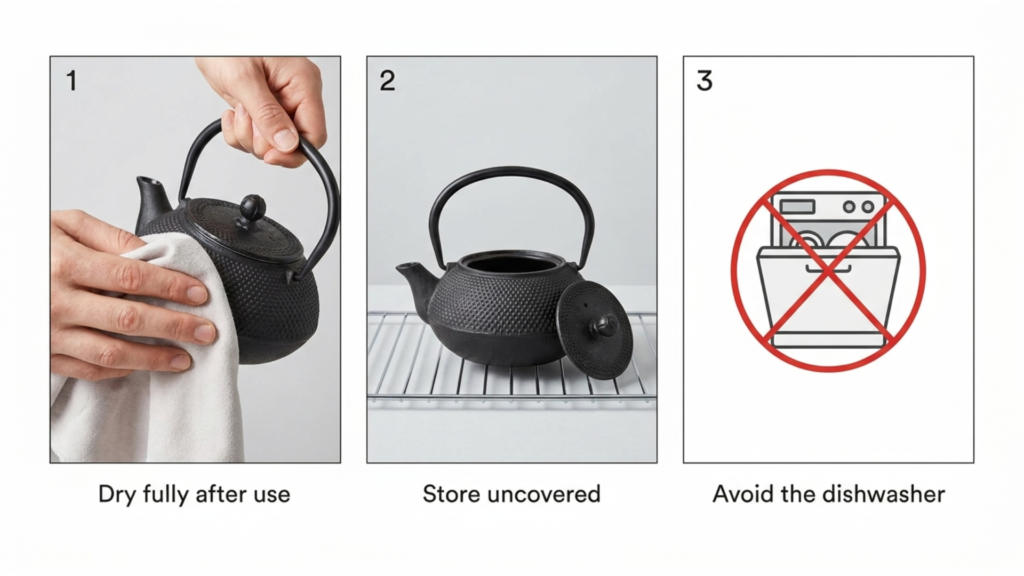
Cast iron’s biggest vulnerability is rust. Left wet, an unglazed interior corrodes over time, which is why most modern cast iron teapots use a fired enamel coating as a barrier between the metal and your tea. A few habits keep rust away for good:
- Dry the pot fully after every use, inside and out
- Skip harsh soap; a quick rinse is usually enough
- Store it uncovered so moisture doesn’t sit trapped
- Never put it in the dishwasher
Handled this way, cast iron can outlast the person who bought it. It’s one of the most durable teapots on the market.
Ceramic has no rust risk at all. Its enemy is impact, since a drop on tile is usually fatal. With reasonable care, it holds up fine for years of everyday use and stays easy to clean, since nothing sticks to a glazed surface.
Which Teapot Material Is Best for Your Tea Type?
Not every tea wants the same vessel, and matching material to leaf tends to matter more than people assume.
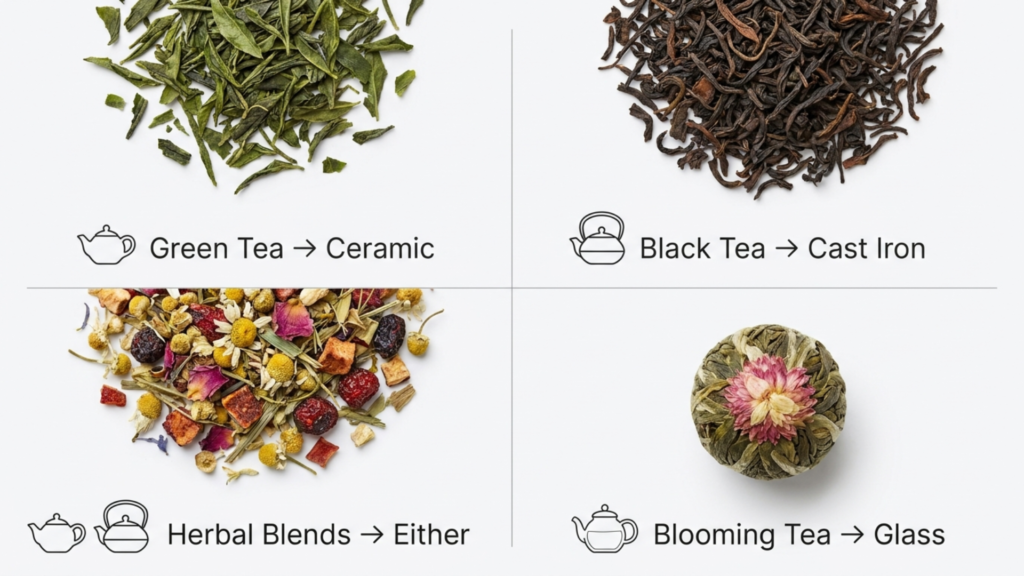
- Green tea and white tea: ceramic or porcelain, since lower brew temperatures and subtle flavors do better without added heat.
- Black tea and Chinese tea like pu-erh: cast iron, which handles higher steep temperatures and keeps your tea warm through a second cup.
- Herbal and floral blends: either works, though ceramic’s neutrality helps if you switch blends often.
- Blooming tea: a glass teapot, so you can actually watch it unfold.
If you’re a beginner tea drinker still working out your preferences, ceramic is the more forgiving start. It won’t influence the cup, so whatever you brew tastes exactly like it’s meant to.
A Quick Note on Glass Teapots
Cast iron and ceramic get most of the attention, but a glass teapot deserves a mention too, especially if aesthetics matter as much as function to you.
Glass shows you everything: leaves unfurling, color deepening as it steeps. It won’t retain heat like cast iron or protect flavor like ceramic, but paired with an infuser for a slow steep, nothing else comes close. Tealand’s glass teapot with filter is worth a look if you want that visual experience without losing a built-in infuser.
FAQs
What is the healthiest material for a teapot?
Both are safe. Ceramic is inert once glazed, and enamel-coated cast iron keeps the metal from touching your tea.
Which is healthier, cast iron or ceramic?
Neither has a clear edge. Some drinkers prefer unglazed cast iron, since brewing in it releases trace amounts of iron into the water, a minor bonus for some.
Can I use a cast iron teapot without it rusting?
Yes, as long as you dry it fully after each use and store it uncovered. Most modern cast iron teapots also have an enamel interior built to prevent rust.
Can you put a cast iron teapot on the stove?
Depends on the pot. Enamel-lined ones are usually for brewing and serving, not direct heat, so check the label if you want one for boiling water too.
Does the material of a teapot really affect the taste of tea?
Yes, more than most expect. Cast iron intensifies bolder teas, while ceramic’s neutral surface keeps delicate flavors from getting muddied. Let the tea you drink most often guide the material you pick.