Unlock 10% off – just for signing up!
What Is Darjeeling Tea

What Is Darjeeling Tea? A Black Tea So Rare It’s Called the “Champagne of Teas”

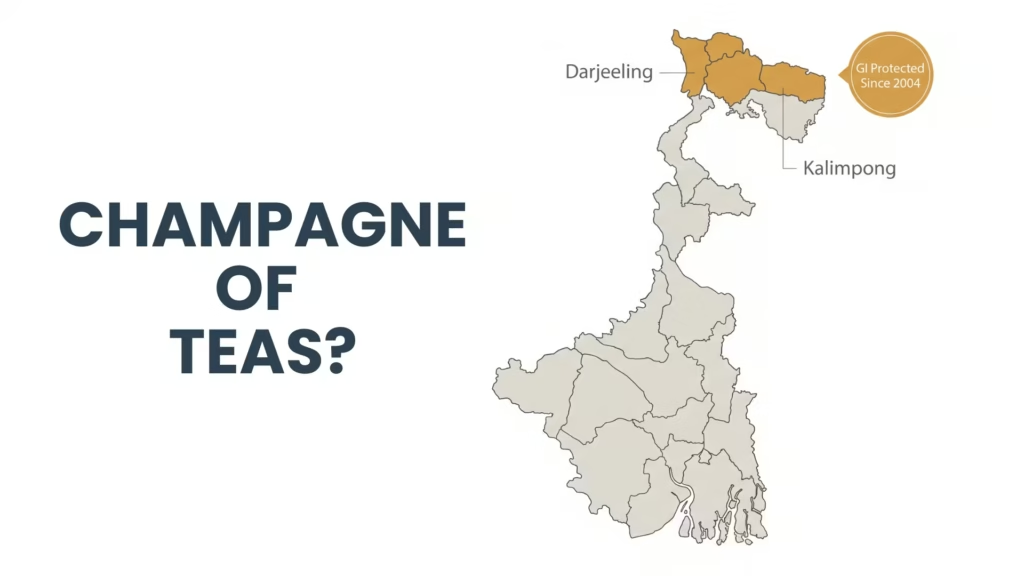
Darjeeling tea is a black tea grown exclusively in the Darjeeling and Kalimpong districts of West Bengal, India. It earns the nickname “champagne of teas” for the same reason champagne can only come from the Champagne region of France: the taste depends entirely on where it’s grown, and nowhere else in the world can replicate it.

That single fact explains almost everything else about this tea. The altitude, the mist, the soil, all of it shows up in the cup. This guide breaks down how Darjeeling tea is made, why it costs what it does, and how to brew it so you actually taste what makes it special.

Key Takeaways

How Is Darjeeling Tea Made

How Is Darjeeling Tea Made?

Every true Darjeeling starts as a leaf from the Camellia sinensis plant, the same species behind green, white, and oolong tea. What separates Darjeeling from a tea grown anywhere else is the terrain it’s rooted in: steep Himalayan slopes between 600 and 2,000 meters, cool air, and near-constant cloud cover.

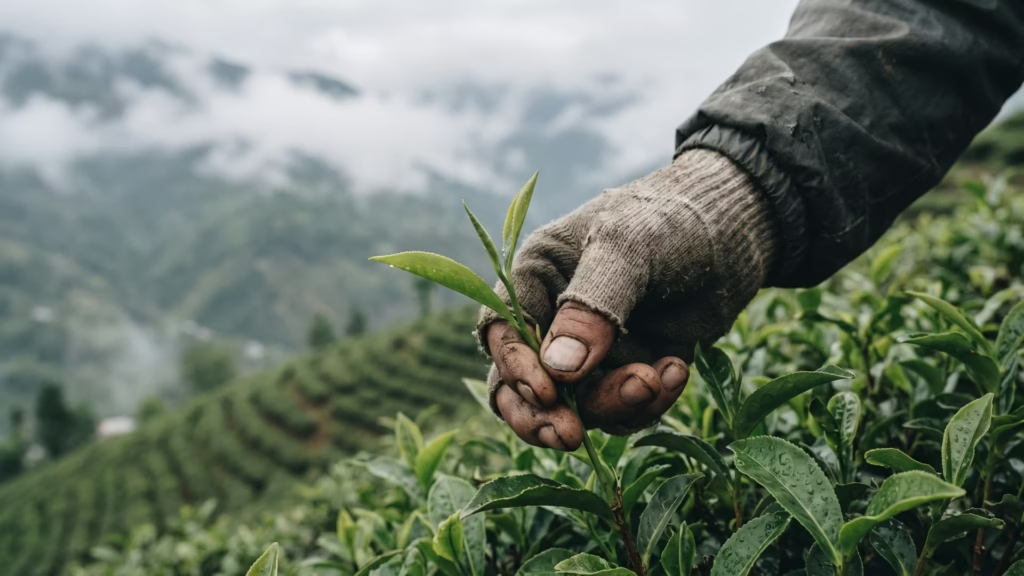
Workers hand-pluck just the top two leaves and a bud from each tea bush, a method that hasn’t changed much in over a century. Those leaves are then withered, rolled, and left to oxidize before drying, the same basic process used for black tea grown anywhere. What’s different is how gently it’s handled.

Darjeeling estates process for aroma, not bulk, which is part of why tea from Darjeeling costs more per kilo than tea produced almost anywhere else in India. Interestingly, not every leaf grown in Darjeeling ends up as black tea. A handful of estates also produce small batches of green, white, and even Darjeeling oolong, though black tea still accounts for most of what’s sold under the name.
Why Is Darjeeling Called the _Champagne of Teas

Why Is Darjeeling Called the "Champagne of Teas"?

Tea from Darjeeling can’t be replicated anywhere else in the world, and that’s precisely what earned it India’s first Geographical Indication tag back in 2004.

The comparison to champagne isn’t just marketing. Before that GI protection existed, more than half of the tea sold globally as “Darjeeling” wasn’t actually grown there. The Tea Board of India stepped in to fix that, and today, only leaves grown, harvested, and processed within the Darjeeling and Kalimpong districts can legally carry the name.

That protection matters because Darjeeling’s flavor genuinely can’t be copied elsewhere. Move the same tea plant to a lower altitude or a different climate, and you lose the muscatel notes that make Darjeeling recognizable. There’s also the matter of scale. Darjeeling produces roughly 10 million kilograms of tea a year, a fraction of what India’s Assam region turns out. That scarcity, combined with a flavor no other region can match, is what pushed Darjeeling into the same conversation as champagne and Scotch whisky: products defined as much by geography as by what’s inside the bottle.
First Flush vs Second Flush

First Flush vs Second Flush: Why Harvest Timing Matters

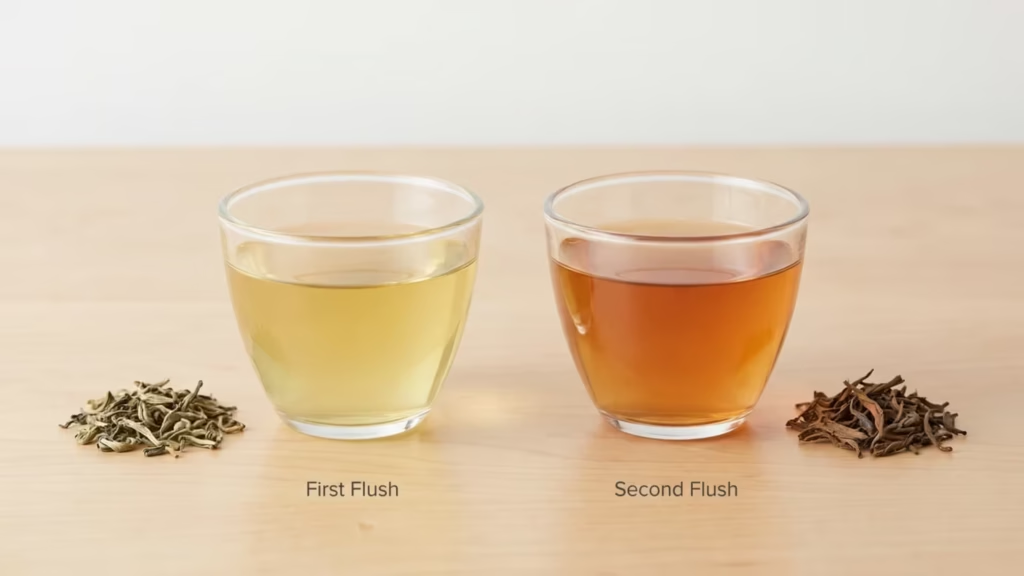
Darjeeling tea gardens don’t pick once a year. The harvest, or “flush,” happens in waves between March and November, and each one produces a noticeably different tea.
  • First flush (March–April): The season’s opening harvest, right after the tea plants wake from winter dormancy. Expect a light, floral cup with a slight astringency, closer in character to green tea than to a typical black tea
  • Second flush (May–June): Considered by many connoisseurs to be true Darjeeling at its best. This is where the signature muscatel flavor, that grape-like sweetness, really shows up
  • Monsoon and autumn flush: Fuller-bodied and less delicate, often used in blends rather than sold on their own
If a shop only stocks one Darjeeling, it’s usually a second flush, and for good reason. If you’d rather start lighter, the Darjeeling 1st Flush Blend is a good entry point into the floral, more delicate side of the harvest.
What Does Darjeeling Tea Taste Like

What Does Darjeeling Tea Taste Like?

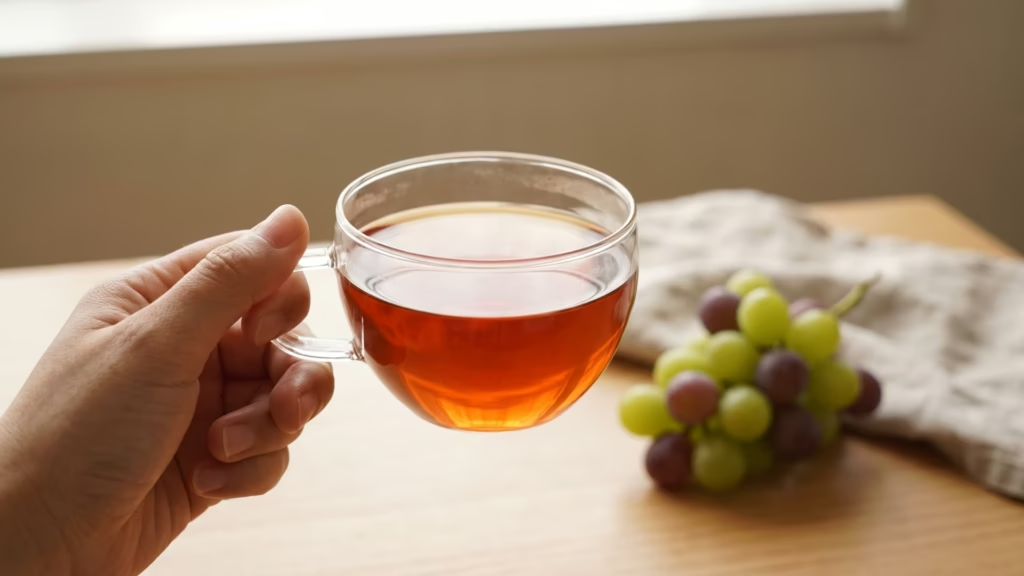
Darjeeling doesn’t taste like a typical black tea, and that surprises a lot of first-time drinkers. There’s little of the malty, brisk character you’d get from an Assam tea. Instead, the cup leans floral and fruity, with the muscatel note (often compared to ripe grapes) sitting at the center.

Good Darjeeling also carries a natural sweetness and a light body, so it rarely turns bitter even with a slightly longer steep. Connoisseurs generally recommend drinking it neat, since milk tends to mask the aroma that makes this tea worth drinking in the first place. Tealand’s Darjeeling Queen’s Blend, is a solid example of this style done well, light, fragrant, and best enjoyed without milk.

Is Darjeeling Tea High in Caffeine?

Not particularly. An average cup of Darjeeling tea contains somewhere between 40 and 70 mg of caffeine, depending on the flush and how long it’s steeped. First flush teas tend to sit toward the lower end of that range, while second flush and monsoon teas run slightly higher. For comparison, that’s less than half the caffeine in a standard cup of coffee, and roughly in line with most other black teas, though a touch gentler than a robust Assam.
Health Benefits of Darjeeling Tea

Health Benefits of Darjeeling Tea

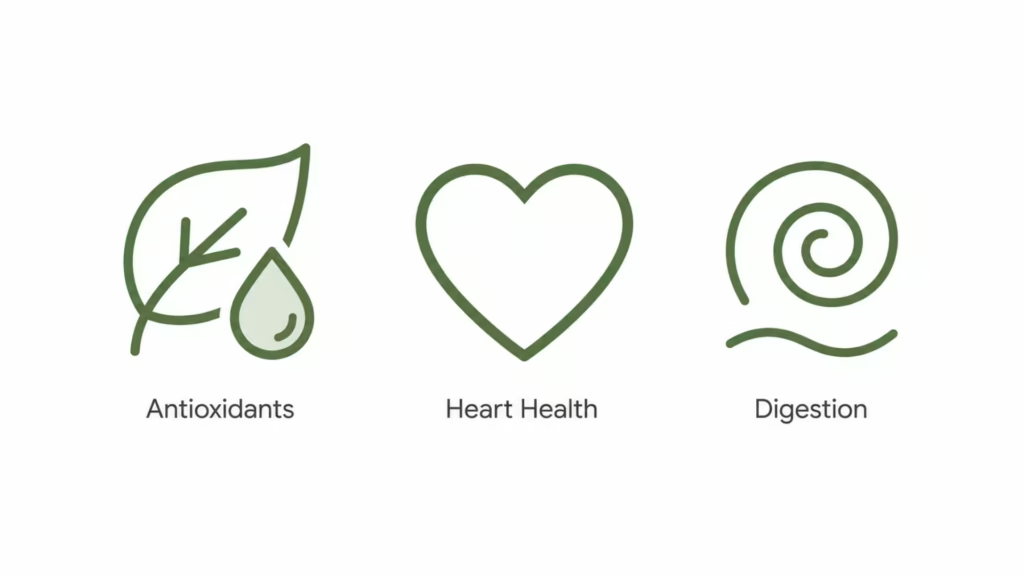
As a black tea, Darjeeling is rich in polyphenols and flavonoids, plant compounds tied to antioxidant activity in the body. It’s also naturally low in calories, making it an easy substitute for sweetened drinks if you’re watching sugar intake.

A few things worth knowing:
  • Darjeeling contains catechins and theaflavins, antioxidants believed to support heart and metabolic health
  • Its moderate caffeine content can support alertness without the jittery crash sometimes associated with coffee
  • Some drinkers use it to aid digestion, particularly when taken unsweetened after meals
As with any tea, these are general wellness associations rather than guaranteed outcomes, so it’s worth checking with a doctor if you’re managing a specific health condition.

How to Brew the Best Darjeeling Tea?

Getting a good cup comes down to a few basics: water temperature, steep time, and using enough leaf.
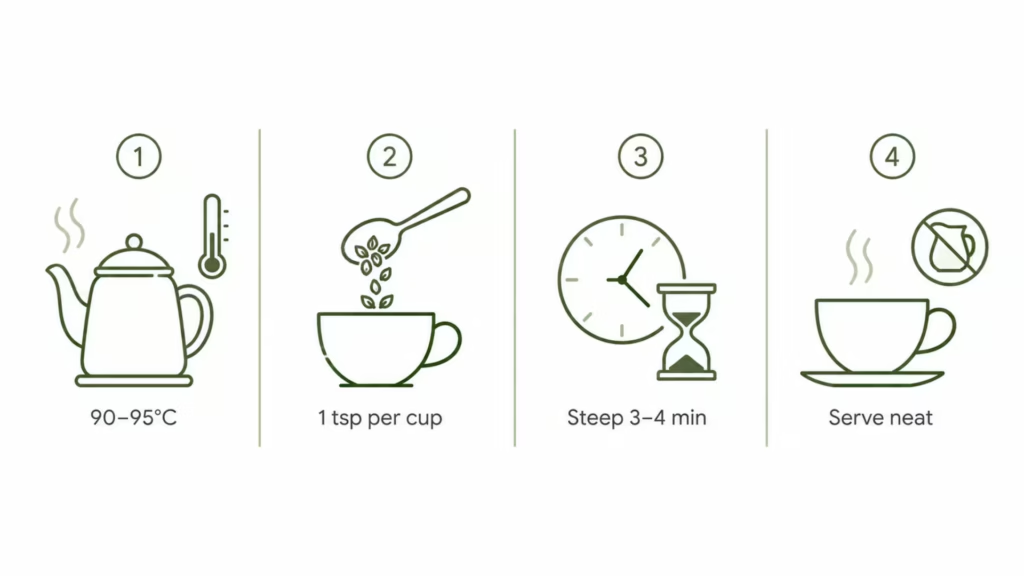
  1. Heat water to around 90 to 95°C, just short of a full boil
  2. Use one teaspoon of loose leaf tea per cup, ideally with a tea infuser to give the leaves room to unfurl
  3. Steep for 3 to 4 minutes. Longer than that and the delicate aroma turns astringent
  4. Skip the milk and sugar, at least on the first try, so the muscatel character comes through
Loose leaf is worth the extra step over a tea bag here. Because Darjeeling’s value lies almost entirely in aroma and nuance, the larger, whole leaves found in loose leaf blends simply extract better than the broken leaf typically packed into a tea bag.

Frequently Asked Questions

Is Darjeeling tea the same as black tea?
Yes, in most cases. Darjeeling is classified as a type of black tea, though a small share of what’s grown there is processed into green, white, or oolong instead.
No. Earl Grey is a flavored blend, usually made from a black tea base (often Assam or Ceylon) and scented with bergamot oil. Darjeeling is a single-origin tea named for where it’s grown, not a flavor profile.
Generally, no. Most tea drinkers and tea experts recommend drinking Darjeeling black, since milk can flatten the floral and muscatel notes that define the tea. If you do add milk, a first flush is a poor match. A second or autumn flush handles it better.
Steep one teaspoon of loose leaf per cup in water just under boiling (90-95°C) for 3 to 4 minutes.
Its terroir. The high-altitude Himalayan climate, soil, and hand-harvesting methods combine to produce a flavor that can’t be replicated anywhere else, which is exactly why it holds a Geographical Indication tag.

Leave a Reply

Your email address will not be published. Required fields are marked *

GET 10% OFF ON SIGNUP!

Best Selling Range:

Related Articles