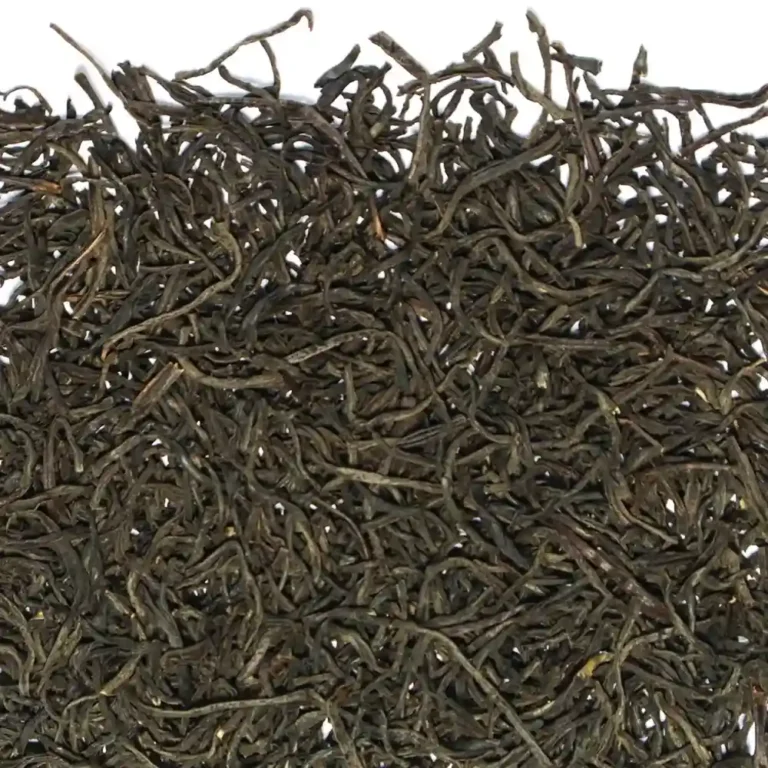
Ceylon tea is simply tea grown in Sri Lanka, formerly known as Ceylon, and it earns its reputation from high-altitude gardens, low pesticide use, and unusually high antioxidant content. Whether you drink it as Ceylon black tea, Ceylon green tea, or the rarer white grade, you’re getting a cup packed with polyphenols that research links to better heart health, steadier blood sugar levels, and a genuine boost in alertness.
Ceylon tea comes from the Camellia sinensis plant, the same tea plant behind green, black, and white teas worldwide. What makes it Ceylon is where it’s grown: Sri Lanka, formerly known as Ceylon, where volcanic soil and elevation swings between sea level and over 2,000 metres give the leaves a flavour you don’t get elsewhere. Sri Lanka has produced tea commercially since the 1860s, and Sri Lankan tea has kept its following ever since, with Nuwara Eliya teas tasting light and floral, Uva teas sharper, and Dimbula and Kandy full-bodied in between.
Processing, more than region, decides which type of Ceylon tea ends up in your cup:
Ceylon tea is reported to have numerous health benefits, and a growing body of research backs several of them up.
This is where the flavonoids in Ceylon tea do some of their most interesting work. The long-running Rotterdam Study followed over 3,400 adults and found that drinking more than four cups of tea a day was linked to a 69 percent lower risk of severe aortic atherosclerosis compared to non-tea drinkers.
A clinical study from the University of L’Aquila found that even a single cup of black tea improved blood vessel function and lowered blood pressure in healthy men, with the effect growing at higher doses.
Edith Cowan University researchers separately tracked flavonoid intake in older women and found the highest intake group was 36 to 39 percent less likely to show extensive abdominal aortic calcification, a known predictor of cardiovascular disease risk. Black tea was their main source.
People often ask whether Ceylon tea and green tea are the same thing. They’re not, though they overlap. Green tea is a processing category (unoxidized leaf), while Ceylon tea is a geographic one (grown in Sri Lanka). So Ceylon green tea is simply green tea made from Sri Lankan leaves.
Steep black tea in freshly boiled water for 3 to 5 minutes, and green or white Ceylon tea in water just off the boil for 2 to 3 minutes, since scalding water scorches the more delicate leaves. Ceylon tea also makes excellent iced tea: its naturally bright, brisk character holds up over ice without turning cloudy, which is why so many commercial iced tea blends use a Ceylon base to begin with.
Ceylon tea contains caffeine, generally less than coffee but enough to matter if you’re drinking several cups a day. At high intake, watch for jitteriness, disrupted sleep, or mild stomach upset. Tea also contains oxalates, loosely associated with kidney stone risk in people already prone to them, though for most healthy adults, 2 to 3 cups a day sits comfortably within a normal, beneficial range.
Ceylon tea earns its reputation honestly. Sri Lanka’s growing conditions and careful processing produce a tea leaf genuinely richer in antioxidants than most on the shelf, and the research on heart health, blood sugar, and weight management backs up what tea drinkers have claimed for generations.
Ready to taste the difference? Explore Tealand’s rich collections for pure, ethically sourced black and green teas straight from highland gardens.