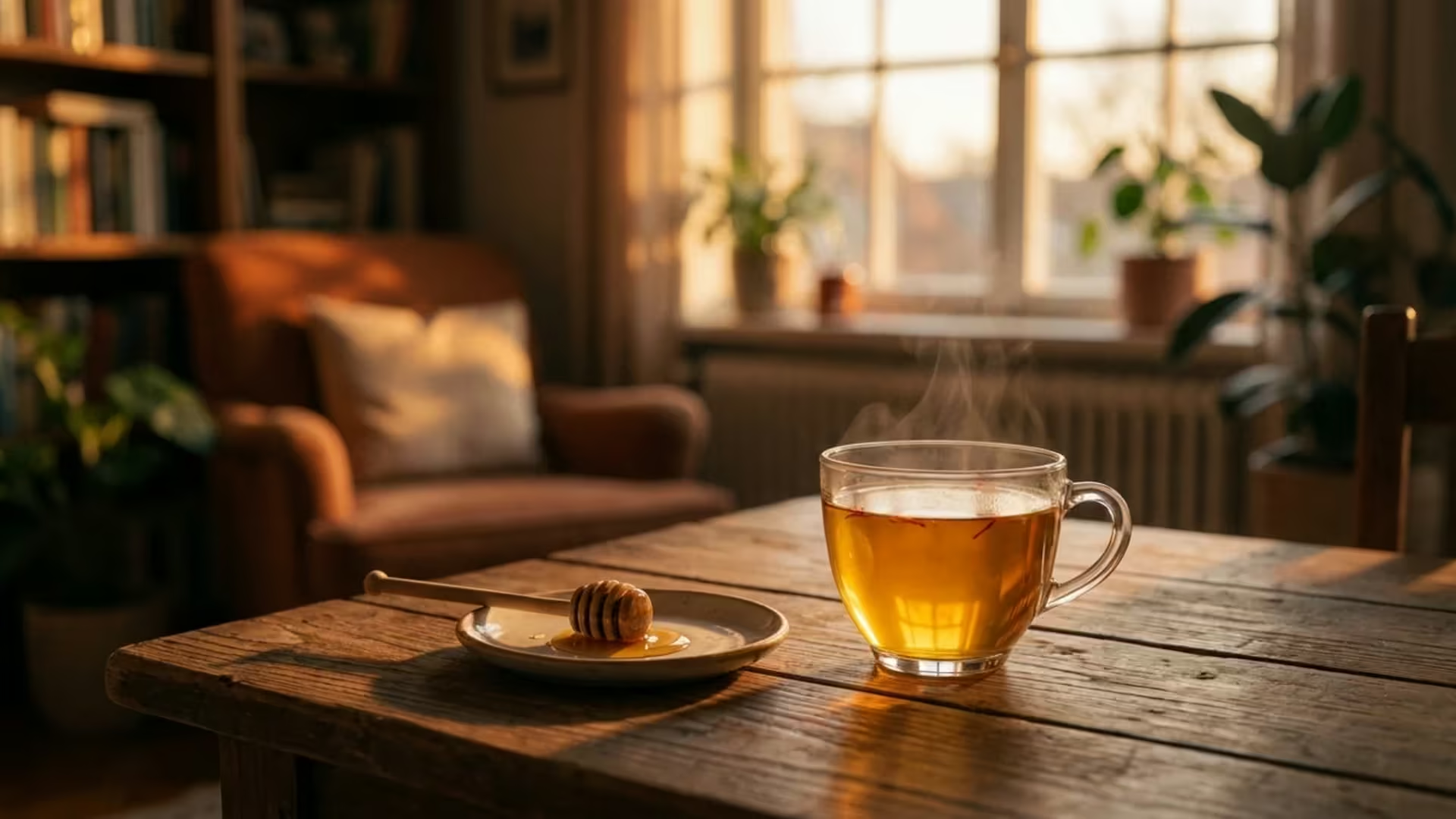
Saffron tea is a fragrant tea made by steeping saffron threads in hot water. It tastes floral and a little honeyed, and early research links it to antioxidant, mood and PMS support. You can brew a cup in about ten minutes.
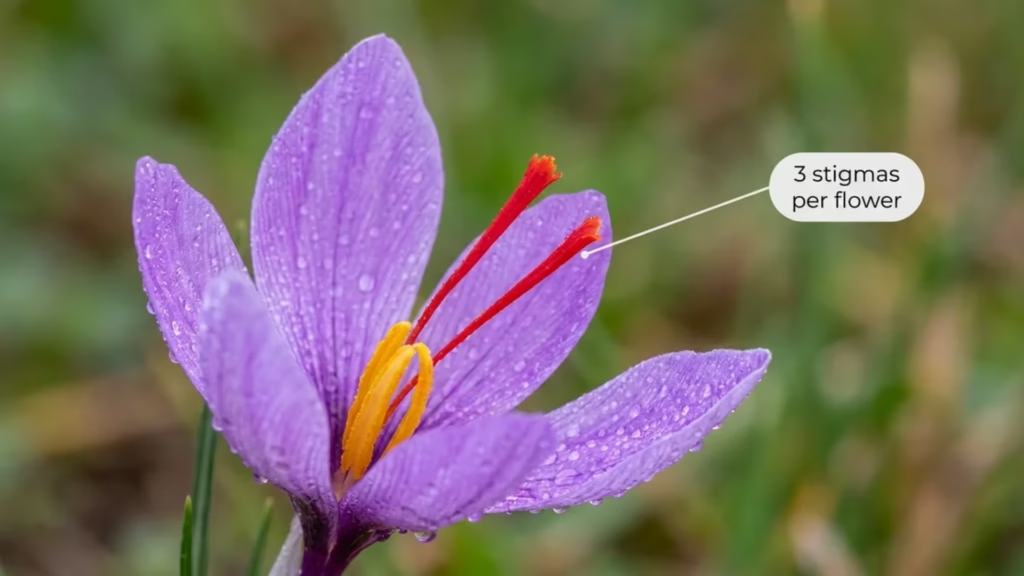
It all starts with Crocus sativus, a purple flower that gives us the world’s priciest spice. Each flower carries only three red stigmas, which explains the price tag. So is a cup worth it? Let’s look at what the benefits of saffron tea really are.
Key Takeaways
- Saffron tea is saffron threads, the dried stigma of Crocus sativus, steeped in hot water.
- The health benefits of saffron tea may include antioxidant support, a mood lift and PMS relief.
- It tastes floral, earthy and slightly sweet, with a faint bitter edge.
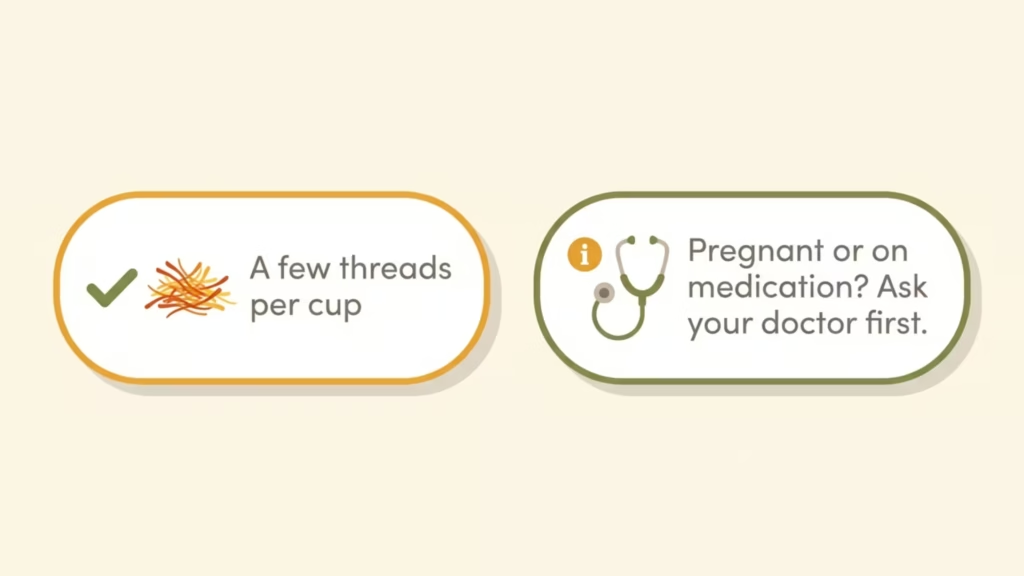
- A few crushed threads per cup is plenty.
- The research is promising but early, so think of it as a lovely habit, not a cure.
What Is Saffron Tea?
Saffron tea is simply tea infused with saffron. You can steep the threads on their own, or add them to black or green tea leaves for a richer cup.
Saffron contains a few plant compounds worth knowing: crocin, crocetin and safranal. Crocin is behind that deep golden-red colour. Safranal drives the aroma.
Top Health Benefits of Saffron
A quick caveat first. Most studies test saffron extract or supplements, not a cup of tea. The effects of saffron in your mug may well be gentler.
Antioxidant support
Saffron is rich in antioxidant compounds, mainly crocin and crocetin, which researchers study for their role against oxidative stress. That’s the reason saffron gets lumped in with other “good for you” spices. Still, a plant compound doing well in a lab doesn’t promise the same in your body.
A mood lift
Saffron has been looked at as a treatment for mild to moderate depression, and a meta-analysis has pulled those trials together. Researchers often describe its antidepressant-like effects as promising. The evidence is still building, though.
Saffron tea can be a comforting ritual. It isn’t a replacement for professional support if you’re struggling.
PMS relief
Researchers have also tested Crocus sativus in double-blind, placebo-controlled trials on premenstrual syndrome. The aim was to see whether it eases PMS symptoms. If PMS is your main reason for trying it, it’s worth a chat with your doctor too.
What Does Saffron Tea Taste Like?
Floral and earthy, with a honey-like sweetness and a gentle bitter finish. The aroma hits you first. Some people say it reminds them of hay or warm flowers, and honestly, both fit.
It plays well with other flavours:
- Honey softens the bitterness.
- Cardamom adds a warm, spiced note.
- Milk turns it creamy and mellow.
How to Brew Saffron Tea?
Wondering how to brew saffron tea without wasting a single thread? Keep it simple.
- Crush four or five saffron threads between your fingertips.
- Add them to a cup of hot water, just off the boil.
- Steep for eight to ten minutes, until the water turns golden orange.
- Sweeten, stir and sip.
premium saffron, in whole threads rather than powder. Deep red strands with a strong scent are a good sign. You can browse Tealand’s saffron range if you’d like a place to start.
| Style | How to make it |
|---|---|
| Plain | Threads steeped in hot water, nothing else |
| With tea | Add the threads to black tea leaves while they steep |
| Creamy | Stir in warm milk and a little honey |
| Iced | Cool the brewed tea, then pour over ice |
Is It Safe to Drink Saffron Tea?
In small, culinary amounts, saffron is widely used in food. Stick to a few threads per cup. If you’re pregnant, take medication or manage a health condition, check with a health professional before you drink saffron tea regularly.
Curious about another tea with a loyal following? Our guide to what makes Ceylon tea special is worth a read.
Final Thoughts
Saffron tea is a pretty, calming cup with some interesting research behind it. The antioxidant, mood and PMS findings are encouraging, but they’re still early, so it’s smart to keep your expectations realistic.
The good news? You don’t need much to enjoy it. A few threads, a little patience and a spoonful of honey will get you a golden cup that feels like a small treat. Enjoy it for the taste first, and treat any health perks as a bonus. If you’re ready to try it, Tealand’s saffron range is a good place to start.
Frequently Asked Questions
How much saffron should I use per cup?
Four or five threads is a good starting point. More isn’t better, as too much turns bitter.
When is the best time to drink saffron tea?
Whenever you like. Many people enjoy it in the afternoon or evening as a calming ritual.
Can I drink saffron tea every day?
A cup now and then is fine for most people. For daily use, check with your doctor first.
Does saffron tea help with PMS?
Studies have tested saffron for PMS symptoms, but the evidence is still early. It’s one to try gently, alongside advice from your doctor.