Unlock 10% off – just for signing up!
Ginseng Tea Benefits

Ginseng Tea Benefits: What It May Do for Energy and Blood Sugar, and How to Use It

Ginseng tea may take the edge off everyday fatigue and nudge blood sugar in a helpful direction. That’s the short answer. The longer one is more interesting, because the research is small, the results are mixed, and a few people should skip this cup altogether.

Traditional Chinese medicine treats ginseng as a calming herb. Do the benefits of ginseng live up to that reputation? Let’s find out.

Key Takeaways

What Are the Properties of Ginseng Tea

What Are the Properties of Ginseng Tea?

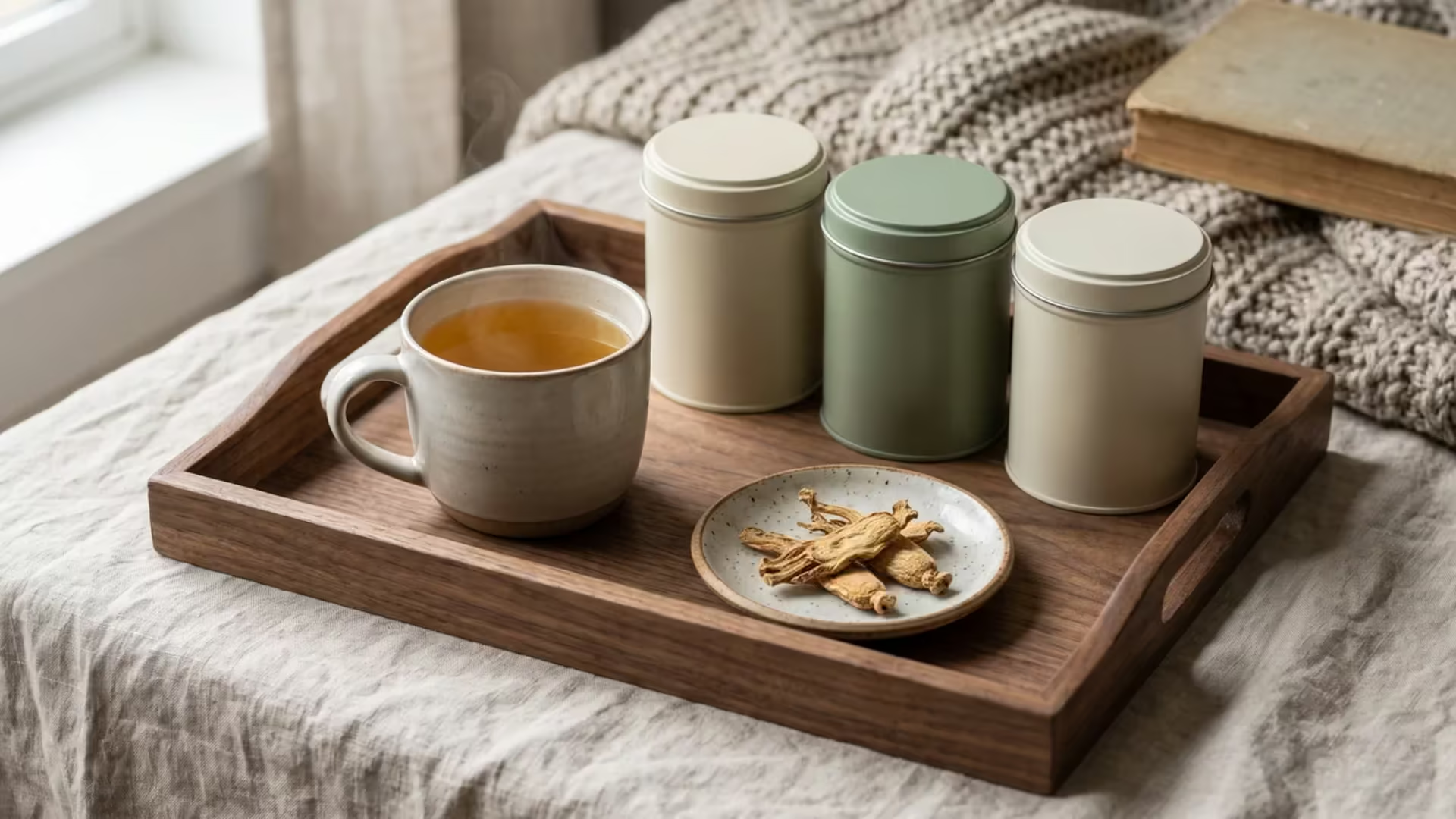
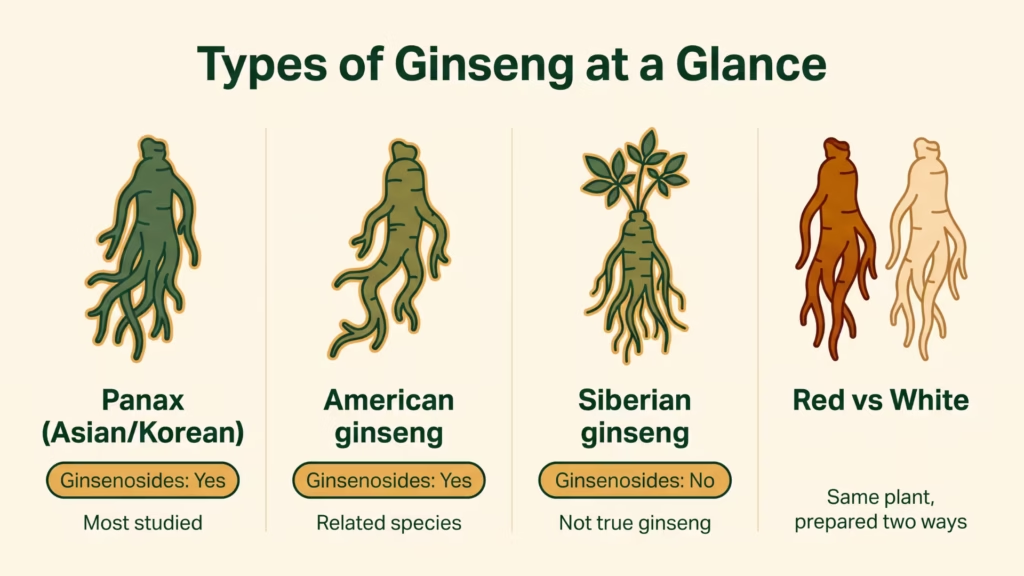
Ginseng tea starts with the root of the ginseng plant. Slice it, steep it, sip it. Researchers point to compounds called ginsenosides as the main players. Different types of ginseng behave differently, though. Panax ginseng, also called Asian ginseng or Korean ginseng, is the most studied type of ginseng. American ginseng is a related species. Siberian ginseng is the odd one out, since it isn’t true ginseng and has no ginsenosides.

Then there’s colour. Red ginseng and white ginseng are the same plant prepared two ways. White is peeled and dried, while red is steamed first, which is how you get Korean red ginseng and red ginseng tea.
Health Benefits of Ginseng Tea

Health Benefits of Ginseng Tea: What the Research Says

Here’s the honest bit. Most studies of the potential benefits use ginseng extract rather than a mug of tea, so read them as clues, not promises.

Energy Level and Fatigue

A 2023 review of 19 studies suggests ginseng alone may have a small effect on general fatigue. Small is the word to hold onto. Not every study agrees, and the formulas that helped with chronic fatigue contained other ingredients too.

Hoping for a workout boost? Most research says no.

Cognitive Function

Small studies hint that Asian ginseng may support cognitive function in middle-aged adults, including attention and reaction time. Young adults didn’t see the same gains.

Blood Sugar

A 2022 review of 20 studies found ginseng improved fasting blood glucose in people with prediabetes or diabetes. Still, health centre calls the wider evidence inconclusive and conflicting. If you hope ginseng will regulate blood sugar, treat it as a maybe, and see your doctor first if you have diabetes.

Boost the Immune System

Early research suggests ginseng extract might reduce the risk of catching the flu, though not how bad it gets or how long it lasts. That’s a thin base for an immune routine.

One more caveat. Most trials involve fewer than 200 people and run under three months. Some medical references go further and say ginseng has no proven health benefit.
Side Effects of Ginseng Tea and Who Should Skip It

Side Effects of Ginseng Tea and Who Should Skip It

Insomnia tops the list of side effects. Headaches, an upset stomach and a jittery feeling that fades after a few days also come up.

Large doses may push up high blood pressure, according to Saudi Arabia’s food and drug authority. Ginseng might also lower blood sugar, interfere with blood clotting, and interact with certain medications. Pregnant or breastfeeding women should skip it. Some studies suggest oral ginseng may be unsafe during pregnancy, and little is known about breastfeeding.

Short-term use, up to six months, appears safe for most people, but long-term safety is still a question mark.
How to Make Ginseng Tea at Home

How to Make Ginseng Tea at Home ?

Learning to make ginseng tea is easy. It just takes a little patience. Here’s one popular method using dried ginseng root:
  1. Steam about 30 g of dried ginseng (roughly six pieces) for 5 to 8 minutes to soften it.
  2. Slice it into pieces about 1/4 to 1/2 inch thick.
  3. Simmer the slices in 5 to 6 cups of water for an hour.
Prefer something sweeter? Korean ginseng tea soaks sliced root in honey, and you stir a spoonful into warm water.

Short on time? Ginseng tea bags are the easy route. Follow the pack’s steeping guide, since strength varies.

There’s no official dose for tea, so start with one cup and see how you feel. Ginseng tea won’t fix everything. It might lift a flat afternoon, and it comes with real cautions. Curious? Our herbal tea range at Tealand is a good place to start.

Frequently Asked Questions

Is it OK to drink ginseng tea every day?
Short-term use looks safe for most people. Check with your doctor first if you take medication.
Pure ginseng root doesn’t. Blends with green or black tea do, so read the label.
It might, but the evidence is mixed. Ask your doctor first if you take diabetes medication.
Morning or early afternoon. Insomnia is the most common side effect, so a late cup could cost you sleep.
Best to skip it. One chemical in Asian ginseng has caused birth defects in animals.

Leave a Reply

Your email address will not be published. Required fields are marked *

GET 10% OFF ON SIGNUP!

Best Selling Range:

Related Articles