Unlock 10% off – just for signing up!
Iced tea

How to Make Iced Tea at Home – Easy Iced Tea Recipe

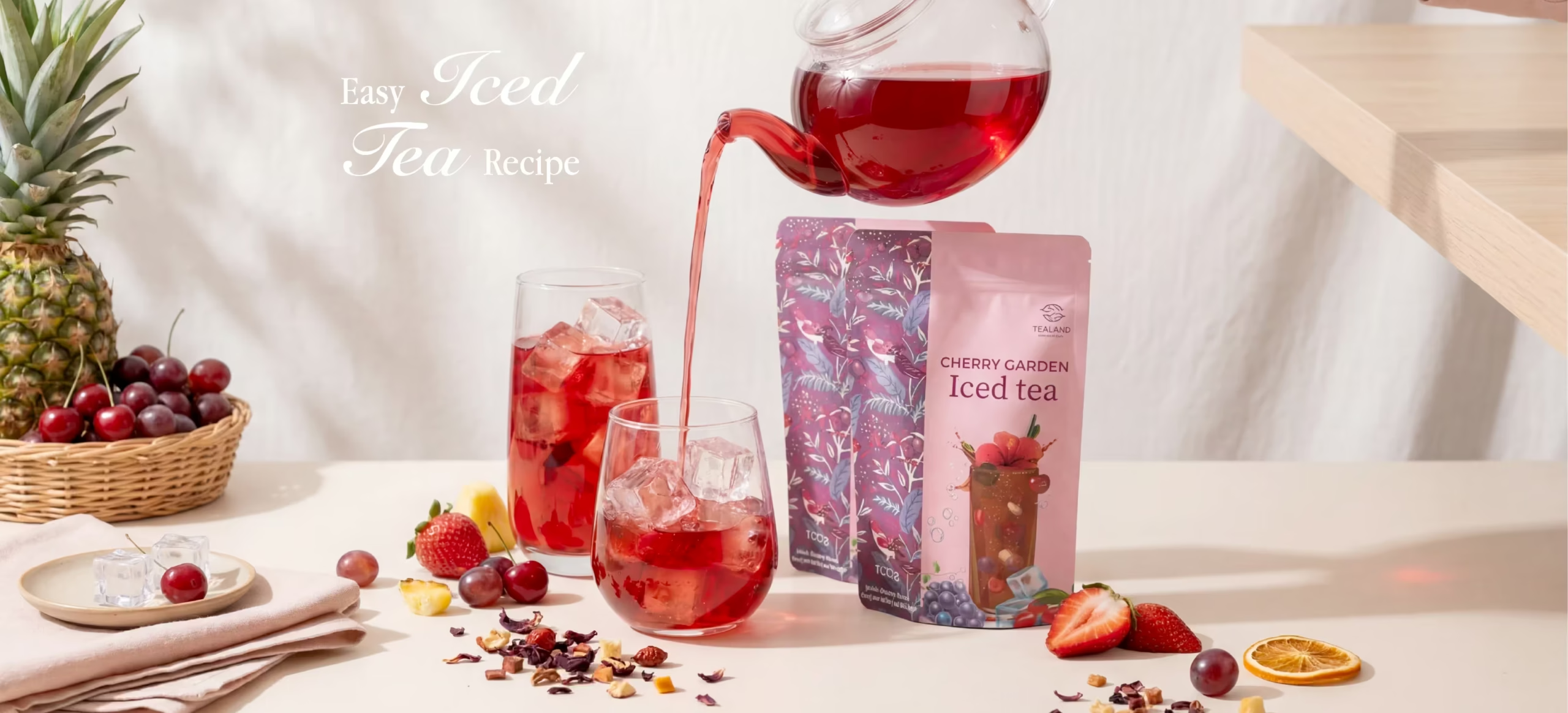
Iced tea is easy to make, and you probably already have everything you need. Tealand’s fruit blend, cold water, ice — that’s your foundation. Brew it rich, let it cool, pour over ice. Everything after that is just personal taste.

Key Takeaways

What You Actually Need

No specialist kit required. A pitcher, boiling water, a filter, and ice will get you there.

For a standard batch (serves 4):

  • Tealand fruit blend (large-cut dried fruits and hibiscus)
  • A strainer, infuser, or disposable paper tea filter bag
  • 4 cups boiling water
  • 2–4 cups cold water to dilute
  • Ice cubes
  • Sweetener of your choice — sugar syrup, honey, agave, coconut sugar
  • Optional: lemon slices, fresh mint, peach, mango
How to Make Iced Tea

How to Make Iced Tea with Tealand's Fruit Blend

Add the fruit blend to your filter — a strainer, infuser, or paper tea filter bag — and place it in a heatproof pitcher. Pour boiling water over it and steep for at least 7 minutes. Longer is even better, and brewing until the blend has fully cooled is ideal.

Here’s why that time matters: large-cut dried fruits and whole hibiscus petals are nothing like a standard tea bag. They need time to fully rehydrate, absorb the water, and release their deep extract, natural sugars, and aroma. A 3–4 minute steep gives you colored water at best.

The good news? Because this blend contains zero tea leaves, there are no tannins — which means it literally cannot over-brew or turn bitter. Time is entirely its friend. The longer it steeps, the richer and more flavorful the result.
Once the steep is done, lift out your filter and give it a gentle but firm squeeze. Unlike a regular tea bag, there’s no risk of bitterness here, no tannins, nothing harsh to release. What you will release is the concentrated natural juice held inside the rehydrated fruit and berry pieces. That’s where a good portion of the flavor lives. Squeezing it out gives your iced tea a noticeably richer, fuller profile.

Don’t skip this step, it makes a real difference.
Stir in your sweetener now, while the brew is still warm. Sugar syrup blends in seamlessly at this stage, far better than trying to dissolve granules into cold liquid later.
Let the brew cool to room temperature, then dilute with cold water to taste. Refrigerate until chilled, or pour straight over ice cubes.
Pour over ice, add lemon slices or mint leaves to the glass, and you’re done. Your refreshing summer drink is ready.

Cold Brew - The Low-Effort Method

Cold brew skips the heat entirely, and the results are genuinely different. Smoother, naturally sweeter, with a fruit-forward depth that you don’t have to chase with extra sugar.

Add the fruit blend to your filter and place it in a pitcher of cold water. Leave it in the fridge for 10–14 hours — fruit blends benefit from a longer cold steep than standard teas. Remove the filter, squeeze gently to extract the remaining juice, add ice, and serve.

Prep it overnight, wake up to a chilled, richly colored glass that's ready to go.

How to Sweeten Your Iced Tea

Sweetness in iced tea is more personal than most recipes let on. A few options worth knowing:

Sweetener

Flavor Profile

Best For

Start with 2–3 tablespoons per large pitcher and adjust from there. For diabetics, plain iced tea with a sugar substitute is a reasonable option — it’s considerably lighter than most soft drinks and still carries the natural goodness of fruit and hibiscus.
Iced Tea Variations

Iced Tea Variations Worth Making

Once the basic recipe is down, this is where it gets interesting.

Lemon Iced Tea

Fresh lemon juice and a few lemon slices stirred into the brewed fruit base. Bright, tart, and simple — the version most people are nostalgic about. The citrus plays beautifully against hibiscus’s natural tanginess.
If you want a glass that looks as good as it tastes, this is the one. Tealand’s Fruits Carnival is a vibrant mix of large-cut dried fruits that brews into a richly colored, naturally sweet cup — no additions needed. Follow the same steps above: filter, 7-minute steep minimum, squeeze at the end. Summer in a glass.

Mango Iced Tea

Swap in mango juice or fresh mango pieces. The tropical sweetness is bold enough to hold its own, even against a well-brewed black tea base — and mango iced tea tends to be a crowd-pleaser.

Mint & Ginger

Steep fresh mint leaves alongside the fruit blend for something cooling and clean. Ginger works similarly — add a few slices to the brew for a warm, spiced edge that’s particularly good over ice.

Cherry Garden Iced Tea

For something a little more elegant, Cherry Garden is a beautiful option. The deep, dark cherry flavor brews into a velvety, jewel-toned cup that’s as striking as it is refreshing. A spoonful of honey at the sweeten stage takes it somewhere really special. Same method — filter, steep long, squeeze well.

How Long Does Homemade Iced Tea Keep?

Properly sealed in the fridge, 3–5 days is the standard window. After that, the flavor fades noticeably — and in sweet iced tea, bacteria become a factor more quickly because of the sugar content. One practical tip: keep the pitcher plain and add ice cubes fresh when serving. That way it never gets watered down sitting overnight.

If you liked this, you’ll probably enjoy our guide on how to make matcha tea too.

Frequently Asked Questions

How do I make iced tea fast?
Brew double-strength — double the fruit blend, same amount of water, steep for at least 7 minutes — then pour directly over a glass packed with ice. It chills almost instantly. No waiting, no refrigerating.
You’ll need some kind of filter either way — a strainer, infuser, or paper filter bag. The large-cut fruit pieces won’t dissolve, so you’ll want to contain them for easy removal. Using a proper filter also means you can squeeze out the concentrated juice at the end, which makes a noticeable difference to the flavor.
Usually because the brew was refrigerated before it cooled fully to room temperature. The rapid temperature change can cause the natural fruit compounds to precipitate, giving it a murky appearance. Let it cool completely first — the cloudiness is harmless, but it’s avoidable.
Tealand’s blend is a fruit-forward mix of large-cut dried fruits and whole hibiscus petals — no tea leaves at all. That means it’s naturally caffeine-free, can’t over-brew or turn bitter, and produces a vivid, richly colored cup with a fruity, tart flavor. It’s genuinely one of the most visually striking iced teas you can make at home.
Plain iced tea made from fruit and hibiscus is a considerably healthier choice than most soft drinks. Hibiscus in particular has a long history of use for its antioxidant properties. The catch is sweetener — add too much sugar and the health picture changes quickly. Homemade is almost always better than bottled, since commercial iced teas tend to be loaded with sugar and flavor additives. Make it yourself and you control everything.
At room temperature (around 20–25°C), plain iced tea is generally fine for 2–4 hours. Sweet iced tea spoils faster because the sugar feeds microbial growth. If it smells sour, looks fizzy, or tastes off — discard it. When in doubt, refrigerate.
For the hot-brew method, yes — boiling water extracts the fruit flavors fully and efficiently. For cold brew, no — cold water works and produces a smoother, naturally sweeter result over 10–14 hours. Room temperature water isn’t ideal for either method.

Leave a Reply

Your email address will not be published. Required fields are marked *

GET 10% OFF ON SIGNUP!

Best Selling Range:

Related Articles