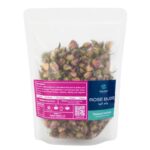
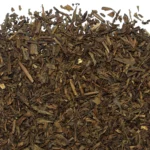
Both come from the exact same plant — Camellia sinensis. So why do white tea and green tea taste so different, behave so differently, and get compared so often? It mostly comes down to how each tea is processed after harvest.
The short version: green tea tends to have stronger research behind it, while white tea is the gentler, more minimal option. But neither is objectively better — it really depends on what you’re after.
Key Takeaways
- White tea is the least processed of all tea types - minimal heat, no rolling
- Green tea generally contains more EGCG, the most-studied antioxidant catechins
- White tea tends to have slightly less caffeine, though this varies by grade
- Both support heart health, weight management, and reducing inflammation
- Taste-wise, green tea is grassy and bold; white tea is delicate and floral
The Real Difference: Tea Processing
White tea is harvested young — usually as unopened buds covered in fine white hairs, which is actually where the name comes from. After picking, it’s simply dried. That’s more or less the entire process.
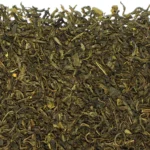
Green tea undergoes a bit more handling. Once the tea leaves are picked, they’re quickly heated to stop oxidation from setting in. Japanese green teas like Sencha and Matcha are steamed; Chinese green teas are typically pan-fired in a wok. That heating step is what locks in the vibrant green color and the grassy flavor.
White tea is the least processed of all tea varieties - which raises an interesting question: does that minimal processing preserve or reduce its health benefits compared to green tea?
Antioxidants: Who Actually Wins?
Green tea gets most of the attention here, and with good reason. It’s consistently higher in epigallocatechin gallate (EGCG), the catechin researchers most closely linked to benefits like reduced inflammation and cardiovascular disease prevention.
That said, white tea and green tea share more chemistry than most people expect. High-quality, full-leaf white tea, especially Silver Needle (Baihao Yinzhen) and White Peony, can come surprisingly close in overall antioxidant and polyphenol activity. Because white tea undergoes so little processing, certain antioxidants appear to be better preserved in their natural state.
The honest answer? Green tea has decades more clinical research behind it. White tea’s antioxidant profile looks promising, the science is just still catching up.
That said, white tea and green tea share more chemistry than most people expect. High-quality, full-leaf white tea, especially Silver Needle (Baihao Yinzhen) and White Peony, can come surprisingly close in overall antioxidant and polyphenol activity. Because white tea undergoes so little processing, certain antioxidants appear to be better preserved in their natural state.
The honest answer? Green tea has decades more clinical research behind it. White tea’s antioxidant profile looks promising, the science is just still catching up.
Caffeine Content: A Closer Look
White tea generally contains less caffeine than green tea:
Tea Type
- Green Tea
- White Tea
- Black Tea
- Oolong Tea
Approx. Caffeine per Cup
- 20–45 mg
- 15–30 mg
- 40–70 mg
- 30–50 mg
Note: These are rough averages. Steeping time, water temperature, and tea grade all shift the numbers.
The tricky part is that Silver Needle — one of the most exceptional white teas — is made entirely from young buds. Young buds naturally concentrate more caffeine than mature leaves. So in that specific case, white tea may actually run higher than you’d expect. If cutting back on caffeine is the goal, white tea is usually the safer bet. Just double-check the grade.
Health Benefits: What the Research Actually Suggests
Both teas appear to support similar health outcomes — weight management, heart health, reduced inflammation. Green tea has the stronger body of evidence; white tea has the minimal-processing argument going for it.
- Cardiovascular Disease
Both teas seem to support healthy cholesterol levels and blood vessel function, with green tea having far more clinical trials behind it.
- Weight Management
Green tea’s catechins, particularly EGCG, are linked to modest metabolic effects; white tea may offer something similar, but research is thinner. For a deeper breakdown, see our guide on which tea is good for weight loss?
- Inflammation
The flavonoids and polyphenols in both teas show anti-inflammatory activity, though human data is more robust for green tea.
Neither tea is a treatment. They’re a habit — and a genuinely good one.
Taste: What to Actually Expect
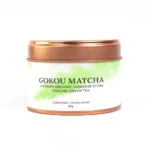
The flavor of green tea is grassy, sometimes vegetal, occasionally nutty depending on origin. Japanese green teas lean more steamed and oceanic; Chinese green teas are typically nuttier and mellower. At the far end of that Japanese spectrum is Matcha — shade-grown, stone-ground, and considerably more intense than a standard cup of Sencha.
White tea is the opposite end of the spectrum. Light, floral, faintly sweet — almost honey-like in high-quality varieties. If green tea has ever felt too sharp or bitter, white tea is worth trying.
A quick note on brewing:
- Green Tea: 70–80°C water, 2–3 minute steep
- White Tea: 75–85°C water, 2–5 minutes depending on preference
- Both work well as iced tea — white tea especially shines cold-brewed overnight
So — Green Tea or White Tea?
Neither wins outright. Green tea vs white tea is less a competition and more a question of what you want from your cup.
Choose Green Tea if…
- You want the most research - backed antioxidant profile
- You enjoy a bolder, more distinctive flavor
- You're specifically looking for EGCG content
Choose White Tea if…
- You prefer something lighter and lower in caffeine
- You want minimal processing and a delicate flavor
- You're drawn to premium varieties like Silver Needle
Curious about other caffeinated teas beyond green? Read our full breakdown of Yerba Mate Benefits and Side Effects — it covers everything from energy claims to what the science actually says.
Frequently Asked Questions
Does white tea or green tea have more antioxidants?
Green tea generally leads in EGCG content. But high-quality white tea — particularly full-leaf Silver Needle — can come close in overall antioxidant activity. The gap is smaller than most people think.
Is white tea or green tea better for your skin?
Both contain antioxidants that may help counter oxidative stress, which plays a role in skin aging. Green tea’s EGCG is more studied in this context, but white tea is a reasonable choice too.
Which has less caffeine — white or green tea?
White tea tends to be lower, but grade matters. Buds-only white teas like Silver Needle can run higher than mature-leaf green teas, so it’s worth checking the specific variety.
Can I drink both white and green tea daily?
Yes — and there’s no real reason not to. Alternating between the two gives you a broader range of flavors and compounds without leaning too hard on any single caffeine source.
Which is better for weight loss?
Green tea has the stronger clinical evidence, largely because of its catechin content. White tea may offer similar effects, but the research is still developing. Either way, no tea replaces a balanced diet and regular movement.