This traditional beverage from the Ilex paraguariensis plant has been consumed for centuries in Argentina, Brazil, and Paraguay and modern clinical trials are now confirming several of the health benefits long claimed by traditional users.
Let me walk you through what the science actually shows
Key Takeaways
- Yerba mate contains caffeine (70-85mg per cup), antioxidants, and compounds that may support fat burning and metabolism
- Clinical trials show it can reduce LDL cholesterol by 8-13% and help with body weight management
- The main cancer concern relates to drinking temperature (above 65°C/149°F), not the tea itself—and this applies to any hot beverage
- Side effects mirror those of coffee: possible insomnia, jitters, or stomach upset at high doses
- Pregnant women should limit intake to under 200mg caffeine daily (about 2-3 cups)
What Is Yerba Mate Tea Made From?
What makes yerba mate different from green tea or black tea? The plant itself. While regular tea comes from Camellia sinensis, yerba mate is an entirely different species with its own unique chemical profile.
Health Benefits of Yerba Mate
Antioxidant Powerhouse
The antioxidant strength comes mainly from chlorogenic acids—the same compounds found in coffee. Yerba mate leaves contain roughly 8-13 grams of chlorogenic acid per 100 grams of dry weight. These antioxidants work alongside other bioactive compounds to provide many of the health benefits of drinking tea every day.
Weight Loss and Fat Burning Support
But the metabolic effects go deeper. When researchers gave athletes 1,000mg of yerba mate extract before exercise, they measured a 24% increase in fat oxidation during workouts. The tea seems to help your body preferentially burn fat for fuel, especially during moderate-intensity exercise.
- Reduced body fat percentage by 0.3% (versus a 0.6% increase in placebo groups)
- Increased energy expenditure by 8.3% when consumed cold
- Enhanced feelings of fullness and reduced appetite
Cholesterol and Heart Health
A 40-day clinical trial with 102 participants tested whether drinking yerba mate tea three times daily could improve cholesterol levels.
The results were striking. In people with high cholesterol, LDL (“bad” cholesterol) dropped by 8.6%. Even more impressive: in people already taking statin medications, adding yerba mate provided an additional 13.1% LDL reduction on top of their medication.
A 2025 study published in Molecular Nutrition & Food Research confirmed these findings, showing that regular mate consumption decreased total cholesterol, LDL, and triglycerides while also lowering blood pressure in both healthy people and those at cardiovascular risk.
Blood Sugar and Diabetes Management
The preliminary diabetes research shows promise, though we need bigger studies. A 60-day pilot study with type 2 diabetics found that drinking about a liter of roasted yerba mate daily reduced fasting blood glucose by 25 mg/dL and hemoglobin A1c by 0.85%.
Those are clinically meaningful numbers—comparable to what you might see with some diabetes medications.
A 2025 meta-analysis looking at 13 randomized trials concluded that yerba mate supplementation reduced postprandial (after-meal) glucose levels and improved insulin resistance markers in people with pre-diabetes.
Caffeine in Yerba Mate: What to Expect?
The caffeine content varies wildly depending on how you prepare it. A quick tea bag steep might give you 30-40mg, while the traditional South American method (steeping 50 grams of loose leaf repeatedly in a gourd) can deliver 150-200mg or more per session. If you’re looking to avoid caffeine entirely, you might want to explore caffeine-free herbal infusions instead.
Possible Side Effects of Yerba Mate
Caffeine-Related Issues
- Insomnia or disrupted sleep
- Increased heart rate or palpitations
- Jitteriness or anxiety
- Stomach upset or acid reflux
- Headaches
If you’re sensitive to coffee, you’ll likely react similarly to yerba mate.
The Cancer Question
But in 2016, IARC completely revised their position based on new evidence. They removed yerba mate from the list. Instead, they classified “drinking very hot beverages above 65°C” as probably carcinogenic—and that applies to any beverage, not just mate.
The critical study analyzed 1,400 esophageal cancer cases and found cancer risk increased with drinking temperature, not with the amount of mate consumed. When people drank mate warm (not scalding hot), there was little evidence of increased cancer risk regardless of how much they drank.
There’s also been concern about polycyclic aromatic hydrocarbons (PAHs)—carcinogenic compounds that can form when mate leaves are smoke-dried. Some brands do contain measurable PAH levels. However, a 2018 analysis published in BMC Cancer concluded that temperature poses a far greater cancer risk than PAH exposure when drinking mate. The takeaway: Let your yerba mate cool to a comfortable drinking temperature before consuming it. Problem solved.
Pregnancy and Breastfeeding
Still, general caffeine guidelines recommend limiting intake to under 200-300mg daily during pregnancy. That translates to roughly 2-3 cups of yerba mate. Caffeine passes into breast milk, so nursing mothers should stick to a similar limit to avoid infant irritability.
Drug Interactions
Yerba mate can interact with several medications, mostly due to caffeine:
Lithium – Caffeine increases how quickly your body eliminates lithium. If you regularly drink mate then suddenly stop, lithium levels could spike to dangerous levels.
MAO inhibitors (antidepressants like phenelzine) – The combination with caffeine may trigger dangerous blood pressure spikes.
Stimulant medications – Additive effects with ADHD medications or weight-loss stimulants.
Diabetes medications – Mate may enhance blood-sugar-lowering effects, requiring dose adjustments.
Blood thinners – Caffeine might slightly slow blood clotting.
If you’re taking any medications regularly, mention your mate habit to your healthcare provider.
Safe Ways to Drink Yerba Mate
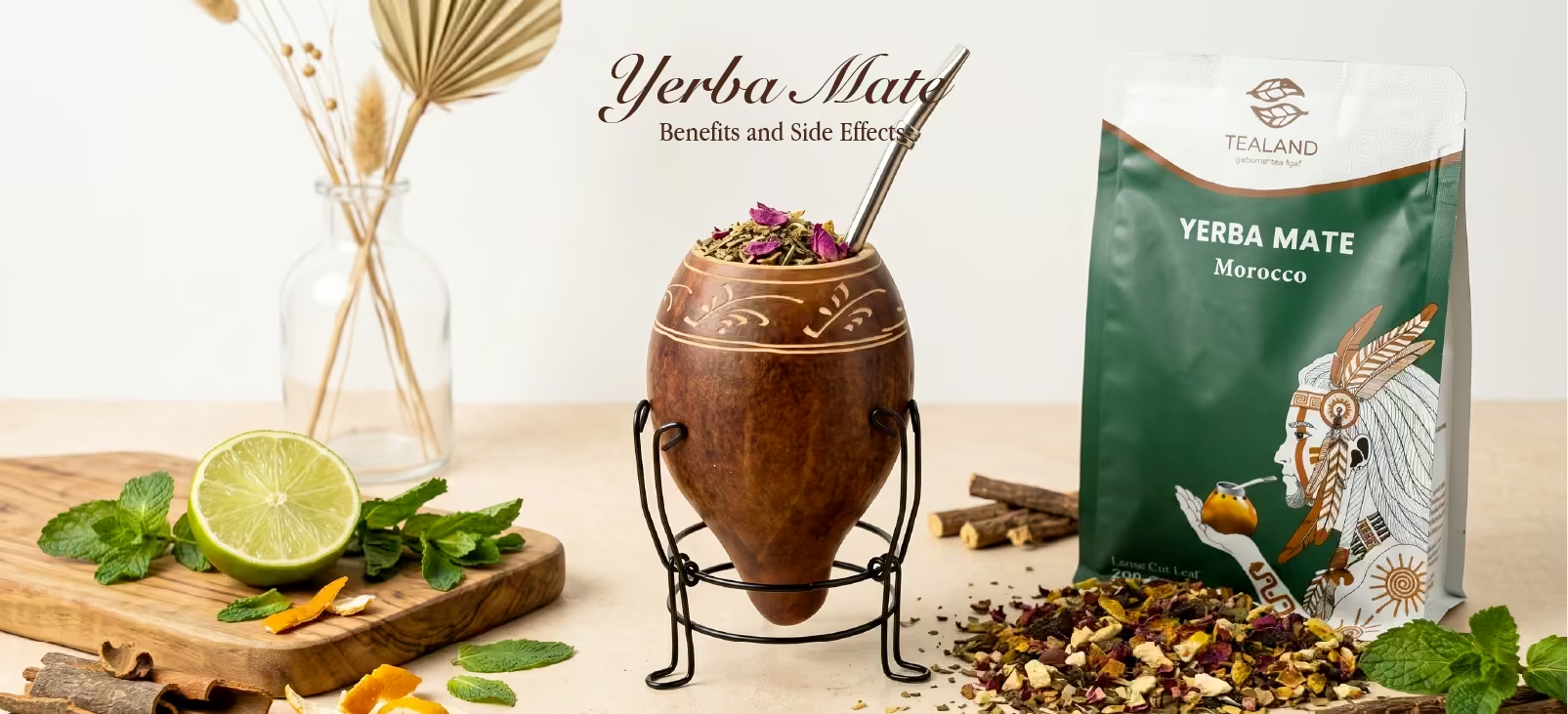
The traditional South American preparation involves steeping loose mate leaves in a mate gourd, adding hot (not boiling) water, and sipping through a filtered metal straw called a bombilla. You can also use tea bags, French press, or any standard brewing method. If you’re curious to try authentic yerba mate, Tealand offers Morocco Mate, a traditional blend that captures the essence of this South American treasure. Just remember to let it cool before drinking. Temperature matters more than preparation method when it comes to safety.