Tea is often connected to relaxation and calm. There are numerous recommendations to drink tea before bed so it will affect your sleep – make you fall asleep faster and sleep better. But, you wouldn’t even guess that that tea you drank right before sleeping is the one thing keeping you awake.
Most teas have a high percentage of caffeine in them, so you need to be careful when choosing and buying. We are here to discuss the tea with caffeine and without, but focusing more on caffeine-free tea since it is healthier and overall better for you. We’ll tell you about the benefits and some examples of decaf tea so you’re shopping gets easier.
A lot of us take in caffeine regularly. The first thing that comes to people’s minds when they hear the word caffeine is, of course, coffee, but you would be surprised to learn what other products we consume it from. On a scientific level, caffeine is a chemical compound and it can be found in some plants. Its role is to protect the plant from pests and microbes that would damage it.
Coffee beans, as well as tea plants (Camellia Sinensis), cacao pods, and citruses – all of them contain caffeine. So, we consume it not only through coffee but also with chocolate, tea, sodas, and energy drinks. You’ll notice that all these products make us feel good after taking them – they increase our blood pressure, make us more energetic, and boost our mood. Now the question is: is caffeine bad for our health? Should we avoid it?
Caffeine is not necessarily bad for you. If you take it on an everyday basis in small doses, it shouldn’t cause any damage to your health. But, just as with everything else, if you consume too much, you will have a problem. People with anxiety disorders should be careful since, in their case, caffeine increases the risk of a panic attack. Caffeine also increases blood pressure, so it is not recommended for persons with cardiovascular disease. Pregnant women should also minimize caffeine consumption, if not cut it off completely, for the sake of the baby’s health.

Some cultures use herbal tea in medicine, not just for its rich flavor.
Most tea ‘categories’ are derived from the leaves of Camellia Sinensis, a tea tree (plant) that originates from East Asia, specifically southern China. White and black tea, oolong, green, dark, and very popular chai, and yellow tea all contain caffeine. They are known to be ‘true teas.’ They can also be artificially made decaf, contrary to herbal tea, which is caffeine-free naturally.
Herbal tea is part of many nations’ cultures all over the world. This is why we have such a wide range and so many options to choose from. Herbal tea is also 100% natural. There will be no negative effects on your body, and you can drink it every day as many times as you want, unlike other teas. They usually make this tea with the herb’s leaves, but the ingredients commonly include flowers, mushrooms, fruit, and roots. Different techniques of herbal tea making in every country make every flavor unique. Some cultures use herbal tea in medicine, not just for its rich flavor. We now present some of the most famous caffeine-free tea/herbal infusions.
One of Japan’s most popular and consummated beverages is Kuromame or Kuromamecha. This delicious herbal tea originated on the island of Hokkaido and is made from roasted black soybeans. The flavor is strong, earthy, and sweet. But on top of that, there are many health benefits. It has many vitamins, nutrients, and antioxidants that give an anti-aging effect. This drink also helps with weight loss, cleans your skin, and regulates hormones.

In addition to its luxurious color, hibiscus tea is delicious, with a taste similar to lemon and cranberries. All parts of the hibiscus are useful for the making of the drink but especially the flower. We recommend you keep the hibiscus flowers in a dark and dry place, like a pantry. And if you’re ever packing and moving a pantry – when you get your pantry ready, be extra careful not to damage the hibiscus flowers and keep them in the sun for too long. That might spoil the flavor.
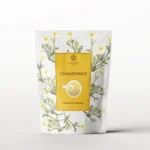
The most well-known and commonly used chamomile tea is almost everyone’s go-to tea choice. According to studies, this herbal tea is good for many things. It soothes our nerves and helps us to sleep better. It can also calm down inflamed skin. Drinking chamomile tea can help you with stomach aches and lowers blood sugar. If you’re suffering from anxiety or you’ve been through much stress recently, drinking chamomile will help you calm down and relax.

This caffeine-free tea relieves stomach aches and bloating and helps digestion.
Peppermint has been used for centuries – in cuisine, as candy and cake flavor as well as tea. It relieves stomach ache, bloating and helps with digestion as well. This is a commonly known benefit, but peppermint is one of the best things to use when you have bad breath. Usually, it’s in the form of gums or candy, but even peppermint tea can help you with that. Just like chamomile tea, peppermint tea relaxes you and calms your nerves. If you’re suffering from headaches or migraines, help yourself by drinking this herbal tea.
Famous in the world and in Africa, which is the place from where it originates, this tasty drink is much more than just that. The amazing rooibos tea affects your heart pressure and blood circulation; it may support your cardiovascular health. It increases the hormone leptin, which helps with weight loss. Also, some researches show that rooibos may have an anti-diabetic effect. This is due to rooibos containing the antioxidant Aspalathus.
Caffeine-free tea is much better for your health than any other beverage. Herbal tea is something you can consume every day without any limitations. Try switching from your coffee to herbal infusion, and we guarantee you’ll never look back.