Tired of coffee jitters ruining your afternoon? You’re not alone. The matcha market appears to be growing at 7.9-11.2% annually while coffee maintains slower growth at 5.4%, driven by health-conscious consumers seeking sustained energy without crashes. Making the switch to matcha isn’t just about following trends. When you drink matcha instead of your morning coffee, you’re choosing sustained energy over quick fixes, calm focus over anxious alertness, and long-term health benefits over temporary caffeine boosts. This supposedly healthier alternative to coffee offers various health benefits without the risk of jitteriness that comes with one cup of coffee a day.

Matcha is a fine green powder made from specially grown Japanese green tea leaves. Unlike
regular green tea where you steep leaves in water, with matcha the entire leaf is consumed –
which might give you access to nutrients that would otherwise be discarded.
Simple explanation: Think of regular tea like making soup with a tea bag – you get the flavor but throw away most of the nutrients. Matcha is like eating the whole vegetable – you get everything the plant has to offer.
Three weeks before harvest, tea farmers cover the plants with shade cloths. This blocks sunlight and forces the plant to produce more chlorophyll and amino acids, especially l-theanine. After harvest, the tea leaves are steamed, dried, and stone-ground into a fine powder – this is what creates matcha’s vibrant green powder appearance. This careful cultivation creates matcha’s vibrant green color and unique nutritional profile. The amino acid l-theanine appears to work with caffeine to create what scientists call “calm alertness” – energy without anxiety. Matcha also contains powerful antioxidants that may provide cognitive function benefits throughout the day.
Here’s where coffee and matcha differ dramatically in how they affect your body and energy levels. Understanding what each cup contains will help you make the best choice for your lifestyle.
While you might drink coffee first thing in the morning for that big caffeine rush, one cup of matcha provides smoother energy that lasts much longer. Many people find that matcha is easier on their system than their regular morning coffee routine
L-theanine is an amino acid that seems to make matcha’s caffeine work differently than coffee’s caffeine. L-theanine also crosses your brain barrier and may reach peak concentration levels in 30 minutes, potentially increasing alpha wave activity and promoting relaxation without drowsiness.
Simple explanation: L-theanine is like a gentle brake system for caffeine. Instead of caffeine hitting you like a freight train (coffee), it delivers energy like a smooth, steady river (matcha).
Coffee might increase cortisol (stress hormone) levels for hours, while matcha actually could reduce cortisol levels within 20 minutes of consumption. This affects how you feel throughout the day.
What does this mean for you?
Coffee can make you feel more stressed throughout the day, even when you’re not actually stressed. Matcha does the opposite – it helps you stay calm while keeping you alert. Many people who love coffee find that switching reduces their overall stress levels without sacrificing alertness. Coffee can also affect glucose and insulin levels more dramatically than matcha, contributing to energy crashes that make you reach for another cup every time you feel tired.
The health differences between matcha and green tea and coffee extend far beyond just caffeine content. When you compare the benefits of matcha to your daily coffee habit, the differences become clear – though I should mention that individual results can vary.
For a comprehensive look at how tea can support your overall wellness, check out our guide on 7 health benefits of drinking tea every day.
You’ve probably seen claims that “matcha has 137 times more antioxidants than green tea.” This claim stems from flawed methodology comparing alcohol-extracted matcha to water-steeped green tea.
The reality? More accurate research suggests matcha provides about 2-3x the antioxidant concentration of regular green tea, with the study authors noting it was “at least three times higher than the largest literature value for other green teas” – still beneficial, just not exaggerated.
Simple explanation: Antioxidants are like your body’s cleanup crew. They fight damage from pollution, stress, and aging. Matcha gives you a bigger cleanup crew than coffee – though exactly how much bigger is still being studied.
Studies suggest regular green tea consumers may have lower heart disease risk, thanks to matcha’s unique catechins that improve blood vessel function and reduce bad cholesterol. Coffee’s cardiovascular effects are mixed. While moderate consumption may offer some protection, unfiltered coffee can raise LDL cholesterol, and the temporary blood pressure increases concern people with hypertension.
Matcha’s EGCG content might activate brown adipose tissue, potentially enhancing fat oxidation during exercise by up to 17%. Coffee increases metabolic rate by 13% for about 3 hours, but matcha’s benefits appear more consistent without blood sugar instability.
Simple explanation: EGCG is a special compound in matcha that could help your body burn fat more efficiently, especially when you exercise. It’s like adding premium fuel to your metabolism – though results will vary from person to person
If you’re interested in incorporating matcha into your fitness routine, learn more about how tea can enhance your fitness journey in Dubai.
Research including multiple randomized controlled trials suggests matcha’s polyphenols may improve insulin sensitivity and glucose control, while coffee’s effects on blood sugar remain mixed. Worth noting that this research is ongoing, and individual responses can differ significantly.
High-quality matcha should never taste bitter. Tea master Chieko Yamamoto emphasizes that
“high-quality matcha doesn’t taste bitter and should have a smooth flavor with rich umami”.
The taste of matcha is quite different from what coffee drinkers expect.
Simple explanation: Umami is the fifth taste (along with sweet, sour, salty, bitter). It’s savory and rich, like the taste in cheese or mushrooms, but in a pleasant, smooth way.
Poor quality or incorrectly prepared matcha tastes bitter and chalky. This usually happens when you use boiling water instead of the optimal 70-80°C (158-176°F).
Many people start their matcha journey with coffee with matcha combinations or matcha lattes made with oat milk. This creates a creamy, slightly sweet drink that’s gentler than traditional matcha tea and more familiar to those who normally drink coffee. For those of you transitioning from a great cup of coffee every morning, this combination helps bridge the taste gap while still providing matcha’s benefits.

The optimal daily matcha consumption depends on your caffeine sensitivity and health goals. If you typically drink multiple cups per day of coffee, you may be better off starting with smaller amounts of matcha – at least until you see how your body responds.
Suggested amounts (though everyone’s different):
Simple explanation: Start small and work your way up. Your body needs time to adjust to the different way matcha’s caffeine works.
If coffee makes you jittery or anxious, matcha could be your perfect alternative to coffee. The amino acid l-theanine in matcha creates calm alertness, reducing the jitteriness often associated with caffeine consumption.
Start with just 1/2 teaspoon and see how your body responds. Many coffee-sensitive people find they can drink matcha without the negative side effects that come from drinking coffee regularly – though as always, your experience might be different.
For more guidance on choosing teas that support calm energy, explore our article on best teas for soothing anxiety.
Switching coffee for matcha requires strategy to avoid withdrawal symptoms and ensure success. Many people try to quit coffee cold turkey, but this approach often fails – and honestly, it doesn’t have to be that dramatic.
Research suggests a gradual transition timeline works better than stopping coffee abruptly. This gradual approach works better than trying to replace coffee for two weeks all at once:
Simple explanation: Think of it like slowly turning down one volume knob while turning up another. Your body adjusts gradually instead of experiencing shock.
During your first matcha for two weeks trial, most people experience a significant shift in their energy patterns and overall well-being – though some notice changes sooner than others.
Coffee’s higher caffeine content (95-165mg vs matcha’s 70-100mg) creates physical dependence. Most individuals experience mild headaches for 2-3 days, followed by energy stabilization in week two. Those who usually drink coffee in the morning may find the adjustment period challenging at first – but it’s usually manageable.
Withdrawal management strategies:
Week 1: Possible mild headaches, some fatigue, taste adjustment period Week 2: Energy levels stabilize, improved sleep quality, reduced afternoon crashes Many people report feeling more balanced and less anxious by the end of Week 2. Unlike those who try to quit coffee cold turkey, people who try switching instead of coffee for two gradual weeks have much higher success rates – though everyone’s experience is unique.
Proper preparation is crucial for matcha’s taste and benefits. Poor technique creates bitter,
lumpy drinks that discourage continued use. Unlike brewing coffee with an espresso machine,
making matcha requires different skills and equipment. For a deeper understanding of
traditional matcha preparation, read our comprehensive guide on matcha Japanese ceremonial
tea.
Simple explanation: The M-shaped whisking pattern creates more foam and better mixes the powder. It’s like whipping cream – the motion matters for getting that perfect froth texture.
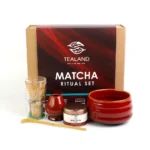
For those just starting out, consider our complete matcha tea set which includes everything you need to begin your matcha journey.
Electric frothers can substitute for traditional bamboo whisks while maintaining quality results. The key is avoiding boiling water, which creates bitterness regardless of whisking method.
The three most common mistakes are using boiling water, poor-quality powder, and inadequate whisking technique.
Success with matcha depends on quality sourcing, proper storage, and realistic expectations about the learning curve.
Ceremonial grade: $100-300 per 100g
Try our premium options like Matcha Yabukita or Uji Hikari for an authentic ceremonial experience.
Culinary-grade matcha: $25-50 per 100g
Simple explanation: Ceremonial grade is like buying premium ingredients for a special meal. Culinary grade is like buying ingredients for everyday cooking. Both have their place, but if you want to like matcha as a tea, invest in ceremonial grade.
Matcha deteriorates rapidly when exposed to light, heat, or air, requiring refrigerated storage in airtight containers. Optimal consumption is within 1-2 months of opening. This contrasts with coffee’s room-temperature stability but ensures maximum potency of the delicate compounds that provide matcha’s unique benefits.
Simple explanation: Like buying a good kitchen knife – higher upfront cost but saves money long-term compared to constantly buying cheaper alternatives.
Psychotherapist Sophia Spencer describes the transition as “finding a gentler source of caffeine,but whisking matcha requires presence—you can’t rush it or multitask”.
This sort of mindfulness creates natural stress reduction that compounds matcha’s l-theanine benefits. Many people find the 15-20 minute preparation ritual becomes a valued part of their morning routine. making it much more than just a caffeine source – it becomes a daily practice that centers you before the day begins.
For those of you who enjoy the ritual but want convenience.We’d suggest preparing multiple cups of matcha at once and store in the refrigerator. A single cup of matcha stays fresh for up to 24 hours when properly stored – though taste and potency might diminish slightly.
If you’re looking to create a comprehensive wellness routine around tea, our guide on tea time and self-care: creating the ultimate relaxation routine offers additional insights.

The shift from traditional coffee habits to matcha represents more than a trend – it reflects a fundamental change in how people approach daily energy and wellness. People discover that matcha may be better for their overall health goals when they compare the long-term effects. When you drink matcha instead of coffee for two weeks or more, you typically notice several key differences:
The Japanese principle that “the whole leaf is consumed” with matcha means you’re getting concentrated nutrients that would be lost when steeping regular tea bags. The complete consumption of the tea plant’s benefits sets matcha apart from both regular green tea and coffee – though the degree of benefit can vary between individuals.
Wanna understand more about choosing the right tea for different occasions and moods?explore our guide on how to choose the right tea for your mood.
And for those of you ready to begin their matcha journey, consider starting with our Health Booster Sampler Kit to explore different wellness teas, or try our convenient Japan Matcha Ceremonial 48pc box for easy daily use.
Q: Will matcha give me the same energy as coffee?
A: Matcha provides sustained energy over 6+ hours without the crash, but it feels different – more calm alertness than jittery intensity.
Q: How long does it take to adjust to matcha’s taste?
A: Most people need 1-2 weeks to fully appreciate matcha’s unique flavor profile, especially if switching from coffee.
Q: Can I drink matcha if I’m sensitive to caffeine?
A: Yes, many caffeine-sensitive people tolerate matcha better due to l-theanine’s calming effects. Start with 1/2 teaspoon daily.
Q: Is matcha safe during pregnancy?
A: Consult your healthcare provider, but matcha’s lower caffeine content may be safer than coffee for pregnant women monitoring caffeine intake.
Q: Why is ceremonial grade matcha so expensive?
A: The shade-growing process, handpicking, stone grinding, and quality control create labor-intensive production that justifies the premium price.
Q: Can I make matcha with regular green tea powder?
A: No, matcha requires specifically grown and processed tea leaves. Regular green tea powder won’t provide the same benefits or flavor.
At Tealand Trading LLC, we’ve been serving premium teas to the UAE market since 2004. Our customers across Dubai and Al Ain consistently tell us that switching to matcha has improved their energy levels, reduced their stress, and enhanced their daily wellness routines. Visit our retail locations for personalized guidance on beginning your matcha journey.