“Astringency in Green Tea” This term is commonly used in wine, but it also applies to tea. Astringency isn’t a flavor, but rather a sensation in the mouth and throat. It’s often described as a puckery and dry feeling. The easiest way to experience astringency is to taste a green banana peel. Note that astringency isn’t the same as bitterness. These two are often confused. Since astringency is not one of the five basic tastes (sweet, sour, bitter, salty, and umami), it’s closer to spiciness (pungency), for example.
Polyphenols are the main source of astringency. And catechins are the most abundant polyphenols in green tea. The catechins play a great role in the health benefits of tea. They have been shown to have anti-carcinogenic, anti-inflammatory, antimicrobial, and antioxidant properties and are beneficial in cardiovascular disease (CVD), diabetes and obesity, and neurologic and oral health.
The antioxidant properties of green tea include the ability to limit the number of free radicals. Excessive astringency and bitterness are also undesirable, but at moderate levels they are necessary as they enhance the mouthfeel of tea, making the overall flavor last longer.
In Japanese green tea cultivation and processing, higher quality teas are achieved by increasing the number of amino acids as opposed to catechins. The goal of the brewing method for green tea itself also focuses on reducing bitterness and astringency. That’s why sencha, for example, neither is infused with boiling water nor is it brewed for a long time. So, in choosing a green tea that is right for you two factors should be considered:
Gyokuro
Shi Feng Long Jing
Tai Pin Hou Kui
Dong Ting Bi Luo Chun
Long Jing
Japan Sencha
Dragon Pearl
Jasmine Monkey King
Green Jasmine
Green Snail
Gunpowder
Chun Mee
low astringency

high astringency
Dear reader, Tealand’s very special Shifeng Long Jing of crop 2020 is finally here!
Long Jing green tea is China’s national pride. For its exceptional properties, taste, and aroma, this tea is recognized as the country’s principal green tea. For more than a thousand years, Chinese emperors bought it as gifts to present to other high-ranking people and rulers. Due to popularity, there are plenty of fakes in the market, but Long Jing from other provinces can never replace Long Jing from the West Lake vicinity. This is a completely different green tea.
Today, there are about 150 manufacturers who make tea in accordance with all the rules and have the appropriate plantations, and about 500 manufacturers who make low-grade Long Jing, made not according to the rules. The main places to grow genuine Long Jing are West Lake (Xi Hu), Shifeng Peak, Yunxi County Mountains, areas around Meijiawu Village, and Hupao County.
The best quality tea is harvested from the slopes of Shifeng Peak before Qingming – the Festival of Light that falls from 4-6 April. And this is actually the one true imperial tea, which is very difficult to find, and it costs a lot.
Preparation:
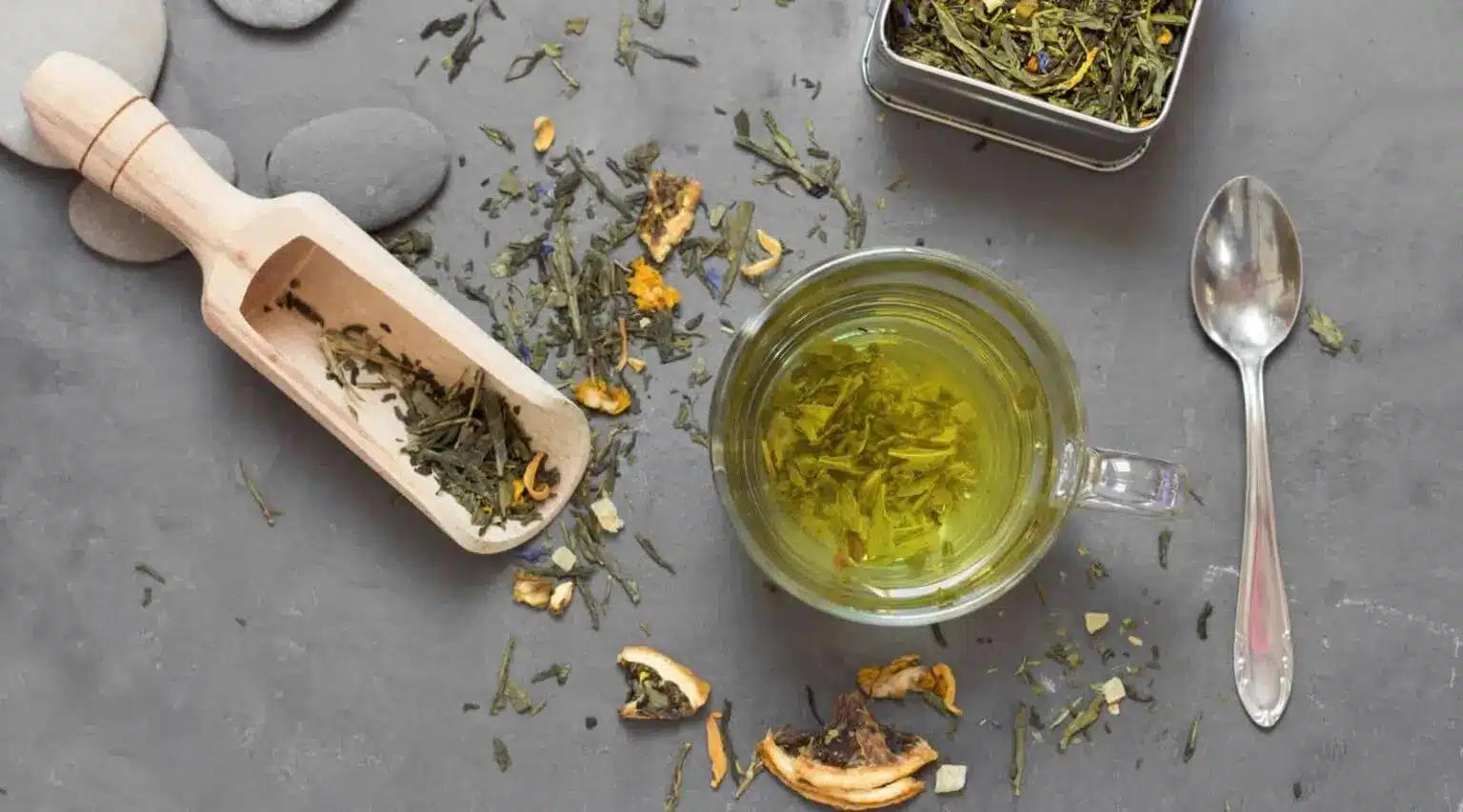
Long Jing is best brewed in gaiwan
Amount of tea leaves – 5g
Water temperature – 75°C.
Tasting profile:
Moist leaves exude aromas of seaweed and raw scallops.
A light herbaceous, sweet scent rises from the jade-green infusion.
Flavor – notes of green beans, boiled fennel, and arugula.
Soft, rounded, and velvety mouthfeel with a touch of tart.