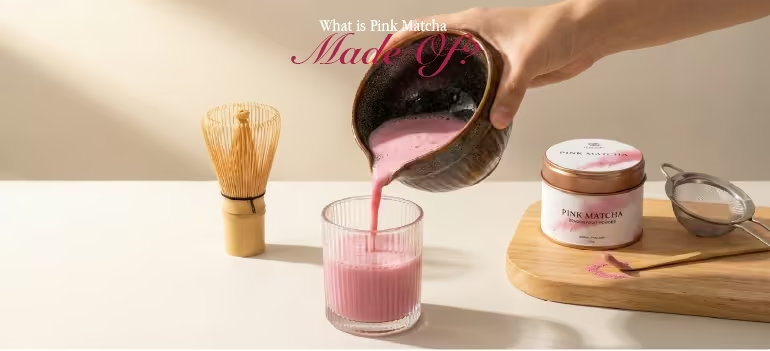
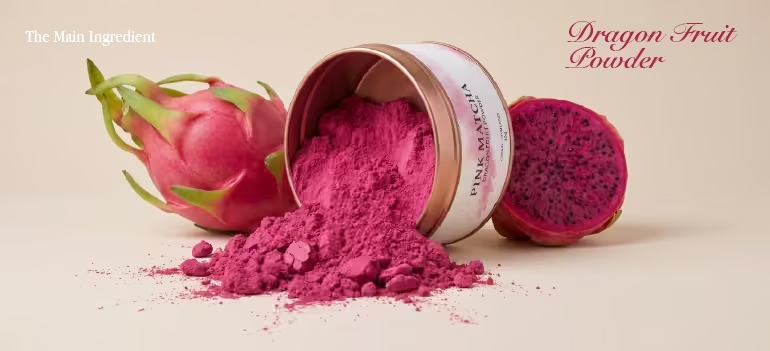
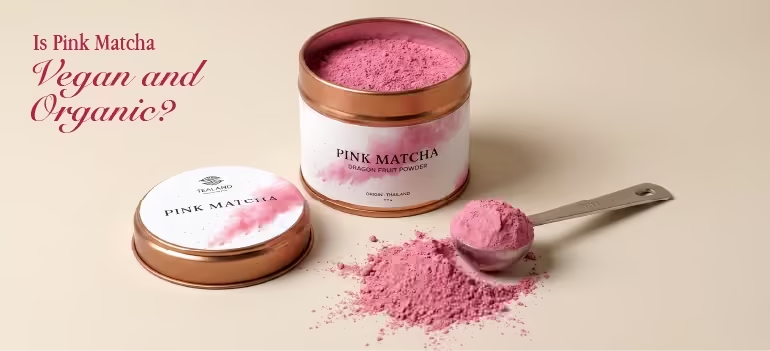
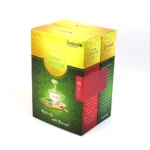
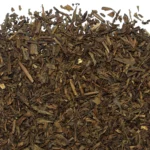
Pink matcha contains dragon fruit powder as its primary ingredient—sometimes blended with strawberry powder, rose petals, or hibiscus for enhanced flavor and colour. Despite the name, it’s not actually matcha at all. There are no tea leaves involved. The term “pink matcha” caught on because of how the powder looks and how you prepare it. You whisk it into water or milk, just like you would with traditional Japanese matcha. The vibrant pink colour and smooth texture made it an instant hit on Instagram, where the drink became a visual sensation alongside its green tea counterpart.
But what really goes into this trendy pink drink? The answer might be simpler than you’d expect, though the nutritional profile tells a more interesting story.
Dragon fruit—or pitaya—is a cactus fruit native to Central and South America. The powder you see in pink matcha comes from freeze-drying the fruit’s flesh. There are different varieties of dragon fruit. The white-fleshed type is more common in grocery stores, but it’s the red or pink variety that gives us that vivid magenta colour. When you dry and powder the pink pitaya, you get an ingredient that naturally holds its colour without any artificial dyes. The process matters here.
Freeze drying preserves most of the nutrients while removing water content. What you end up with is a concentrated powder that tastes mild and slightly sweet— somewhere between a kiwifruit and a pear, if you had to compare it to something familiar.
Most commercial pink matcha products don’t contain just dragon fruit powder. Brands often add other ingredients to boost flavour, enhance the colour, or provide additional nutrients.
When you’re shopping for pink matcha powder, check the ingredient list. Pure dragon fruit powder will only list that one ingredient—organic dragon fruit.
Quality matters more than you might think. Exceptional quality dragon fruit powder should smell fresh, not musty. The colour should be vibrant, and the powder should dissolve smoothly when you whisk it.
The name creates confusion, so it’s worth breaking down what separates pink matcha from the green tea powder that originated in Japan.
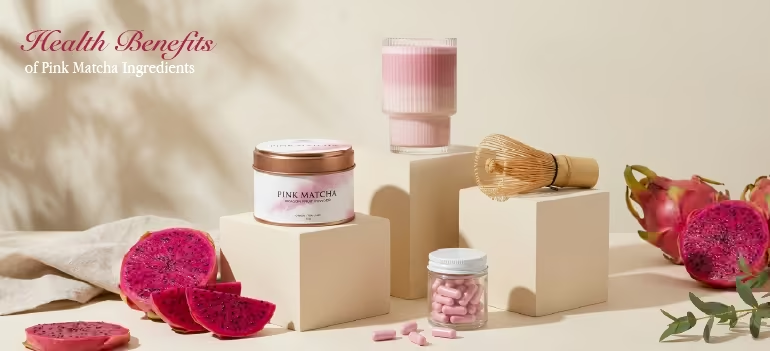
Dragon fruit powder brings its own set of benefits, though they’re different from what you’d get
with matcha green tea
The powder’s versatility explains part of its popularity. You can use it in almost any recipe where you’d want that pink colour and mild fruity taste:
Smoothies & Smoothie Bowls Blend the powder with frozen berries, banana, and your liquid of choice. The colour stays vibrant, and the taste complements other fruits without overpowering them. Baking (Cookies, Cakes, Frosting) Add it directly to dessert batters for natural pink colour. High heat may slightly dull the vibrancy, but you’ll still get a pleasant pink tone. Ice Cream & Frozen Treats Swirl pink matcha powder into your base for colour and subtle fruity flavour without extra sweetness. Cocktails & Mocktails Mix a teaspoon into shaken drinks for eye-catching colour at gatherings.
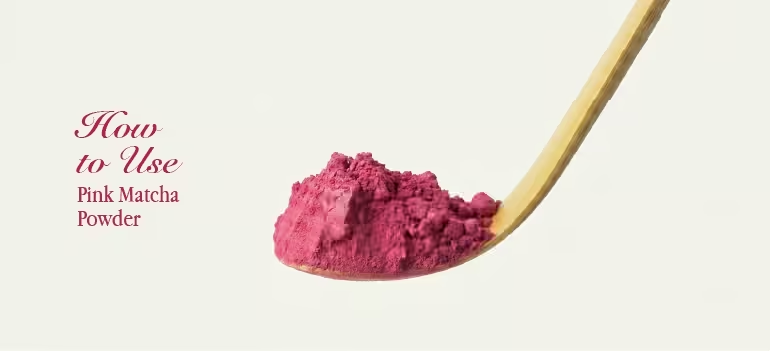
Tools: A bamboo whisk creates the smoothest texture, but an electric frother or regular whisk works fine too. Dragon fruit powder dissolves easier than green tea powder.
Serving size: Start with 1-2 teaspoons per serving. Adjust based on how strong you want the colour and taste—some prefer just a teaspoon for subtlety, others double it for maximum vibrancy.
If you’re expecting something similar to matcha tea, you’ll be surprised. The taste and smell are completely different. Pink matcha has a mild, naturally sweet flavour. It doesn’t taste strongly of anything in particular —that’s part of its appeal. You get hints of fruitiness without the tartness you’d find in berry powders. The aroma is subtle too. Fresh dragon fruit powder should smell slightly sweet and clean.
If you’ve added rose petals or hibiscus to the blend, those aromatic qualities come through more noticeably. Rose adds a floral scent, while hibiscus brings a tartness you can smell before you even taste it. Compared to the earthy, grassy aroma of green matcha, pink matcha smells completely different. There’s no umami or vegetal quality. It’s fruit-forward but gentle.
The freshness factor affects both taste and smell.
Old or improperly stored powder loses its vibrancy. If your powder smells stale or musty, the quality has probably degraded. Keep it sealed in a cool, dry place to maintain that fresh taste.
Different blends create different taste experiences. Pure dragon fruit powder tastes mild and slightly sweet. Add strawberry, and you get a more pronounced berry flavour. Hibiscus makes it tangier. Rose petals introduce a floral, almost perfume-like note that some people love and others find too strong. The versatility comes from that mild base taste.
Dragon fruit doesn’t compete with other flavours in recipes—it complements them. That’s why it works in everything from lattes to desserts without overwhelming the other ingredients.
Pure dragon fruit powder is inherently vegan. It comes from a plant—specifically, a cactus fruit —with no animal products involved in the basic production process. That said, you should still check ingredient labels on commercial products.
Some brands add ingredients that might not align with vegan preferences. Honey occasionally appears as a sweetener in pre-mixed varieties. Collagen has shown up in some “beauty” versions of pink matcha drinks.
What to look for on labels:
The term “organic” means the dragon fruit was grown without synthetic pesticides or fertilizers. Organic dragon fruit powder costs more, but it guarantees cleaner production standards. Certifications help you verify claims. USDA Organic, EU Organic, or other recognized certification bodies should appear on the packaging if the product is truly organic.
Pure powder should list only one ingredient: dragon fruit (or pitaya). If you see a long list of additions, you’re buying a blend. That’s not necessarily bad—just be aware of what you’re getting. Some products add natural flavors, which are generally vegan but can sometimes be derived from animal sources. If this matters to you, look for products explicitly labeled as vegan, or contact the company to confirm their natural flavoring sources.