Unlock 10% off – just for signing up!
What Does Matcha Taste Like_ Your Complete Matcha Taste Guide

What Does Matcha Taste Like? Your Complete Matcha Taste Guide

Matcha has this unique flavor that’s hard to describe if you’ve never tried it before. You’ll notice grassy, vegetal notes right away – think fresh spring greens rather than bitter spinach. There’s also this savory, almost oceanic quality called umami that gives matcha real depth.

What surprises most people is the natural sweetness that balances everything out, creating this smooth, creamy finish that lingers pleasantly. Unlike regular green tea where you steep and discard the leaves, with matcha you’re actually consuming the entire tea leaf in powdered form. This changes everything about the taste experience – you get way more concentrated flavors and nutrients that would otherwise be thrown away

Key Takeaways

  • You’ll taste vegetal grassiness, oceanic umami, natural sweetness, and smooth creaminess.
  • Ceremonial grade tends to be more delicate and sweet, while culinary grade gives you stronger, more robust flavour.
  • Keep your water temperature between 70-80°C – this really makes a difference in preserving matcha’s best characteristics
  • It’s actually the ratio of tea polyphenols to free amino acids that determines how your matcha will taste.
  • Different regions in Japan produce matcha with distinct taste notes, from creamy to vegetal

The Core Flavour Profile of Matcha Tea

Matcha’s distinctive taste comes from four primary flavour components that work together harmoniously. These core notes create the complex flavour experience that makes matcha so unique among teas.
The Core Flavour Profile of Matcha Tea

Umami - The Savory Foundation

What makes matcha really stand out is this pronounced umami taste. Studies show that Ltheanine significantly contributes to the umami taste and unique flavor of green tea infusion,imparting a caramel flavor and an appealing aroma. This savory, almost oceanic quality gives matcha a depth that coffee drinkers often find appealing – though it can take some getting used to.

Research also indicates that the taste mainly relies on the balance of the ratio of tea polyphenols (TPs) to free amino acids (FAAs). When this balance hits the sweet spot, you get that perfect umami sensation without overwhelming bitterness.

Vegetal - Fresh Grassiness

The grassy, vegetal notes in matcha come from the shade-growing process that bumps up chlorophyll content significantly. High-quality matcha contains chlorophyll levels of 5.65 mg/gcompared to 4.33 mg/g in traditional green tea – that’s a pretty noticeable difference.

These vegetal notes shouldn’t be overwhelming in good matcha. You want them to remind you of fresh spring grass rather than that bitter spinach taste. This grassiness creates the foundation that makes matcha taste so different from other green teas.

Natural Sweetness

Premium ceremonial grade matcha has this subtle natural sweetness that balances out the vegetal and umami notes. This sweetness comes from natural sugars that get concentrated during the shade-growing process. It’s not like added sweeteners – instead, it provides just enough gentle mellowness to create harmony.

The sweetness in good matcha should never be cloying or artificial. What you’re looking for is that counterbalance to the earthier flavours, creating what we’d call a harmonious taste experience.

Smooth Creaminess

Quality matcha delivers a distinctive smooth, almost buttery mouthfeel that sets it apart from regular teas. This texture comes from the fine powder particle size and natural proteins in the tea leaf. When properly prepared, matcha creates a velvety sensation that enhances all the other flavour notes.

How Different Types of Matcha Taste

The grade of matcha you choose makes a huge difference in how it’ll taste. It’s worth understanding these differences so you can pick the right one for your preferences and what you plan to do with it.
How Different Types of Matcha Taste

Ceremonial Grade Matcha Flavour

This is the premium stuff – ceremonial grade gives you the most refined and delicate taste experience. Since it comes from the first harvest and youngest tea leaves, the quality is exceptional.

Studies suggest that ceremonial grade from first harvest contains 3x more L-theanine than second harvest, which explains why you get that coveted smooth, naturally sweet taste. You’ll notice prominent natural sweetness with very little bitterness. The flavour has these fresh, vibrant notes with a creamy finish that sticks around pleasantly. This grade works perfectly for traditional tea ceremonies or when you want to experience what matcha tastes like at its purest.

Culinary Grade Matcha Taste

Culinary grade gives you a stronger, more robust flavor that can hold its own when you’re mixing it with other ingredients. It’s been shown that culinary-grade matcha generally has a higher total phenolic content than ceremonial matcha tea, which explains the more pronounced bitterness and astringency. This grade works great in matcha lattes, smoothies, and when you’re baking with matcha. The stronger flavour profile means the matcha taste stays prominent even when you add milk, sweeteners, or mix it into recipes. Despite being more bitter than ceremonial grade, quality culinary matcha should still have those pleasant umami and vegetal notes.

Organic Matcha Characteristics

Organic matcha powder offers pure, clean taste without chemical residues that might affect flavour.

The organic growing process often results in more concentrated natural flavours since the tea plants develop stronger defence mechanisms. This can create more complex taste profiles with enhanced umami and vegetal notes.

Organic certification ensures you’re tasting authentic matcha flavour without interference from synthetic fertilizers or pesticides. Many tea enthusiasts report that high quality organic matcha provides cleaner, more distinct taste characteristics.

What Makes Matcha Taste the Way It Does?

If you’re curious about the science behind matcha’s unique flavour, it all starts in the tea fields with some pretty specialized growing techniques.
What Makes Matcha Taste the Way It Does_

Growing and Processing Factors

Matcha’s distinctive taste begins with this special shading process. The shading process enhances the processes of synthesis and accumulation of biologically active compounds, including theanine, caffeine, chlorophyll and various types of catechins Farmers cover the tea plants with shade cloths for 3-4 weeks before harvest, which dramatically increases the compounds that create matcha’s signature taste.

The stone-grinding process also affects flavour quite a bit. Traditional stone mills grind incredibly slowly to keep temperatures low, which preserves those delicate taste compounds.

Why Matcha Tastes Different from Regular Green Tea

The fundamental difference lies in consuming the entire tea leaf versus steeping leaves in water. When you drink matcha, you’re getting concentrated amounts of all the leaf’s compounds. This creates the intense, complex flavour that regular green tea can’t match.

Matcha is made from tencha leaves that undergo special processing including shade-growing, steaming, and careful drying. This process concentrates amino acids like L-theanine while maintaining chlorophyll levels that contribute to both colour and taste. Regular green tea however does not receive this intensive treatment, resulting in milder flavour profiles.

Chemical Compounds Behind the Taste

Scientific analysis reveals 705 volatile components in matcha, with heterocyclic compounds (45.84–65.35%) being highest, followed by terpenoids (7.44–16.92%) and esters (6.91–15.27%). These compounds create matcha’s complex aroma and taste profile.

The balance between catechins (which provide bitterness) and amino acids (which provide umami and sweetness) determines overall flavour quality. High-quality matcha maintains optimal ratios of these delivering complexity without overwhelming bitterness

Why Does My Matcha Taste Bitter? Common Issues

Many people’s first matcha experience disappoints because of preparation mistakes that emphasize bitterness over matcha’s natural balance of flavours.
Why Does My Matcha Taste Bitter_ Common Issues

Water Temperature Problems

Using water that’s too hot is the most common mistake that makes matcha taste bitter. Research shows that at 100°C, heat overpowers umami with bitterness from catechins and caffeine.

The optimal temperature range is 70-80°C (158-176°F) for the best matcha taste.

Using Too Much Matcha Powder

Another common issue is using excessive amounts of matcha powder, which concentrates bitter compounds. A proper ratio is typically 1-2 teaspoons of matcha powder per cup of water. Using more creates an unbalanced flavour profile where bitterness dominates the subtle umami and sweet notes. Quality matters more than quantity – a smaller amount of good quality matcha provides better taste than large amounts of lower grade powder.

Poor Quality or Old Matcha

Bad matcha often tastes overly bitter, astringent, or even soapy due to poor processing or age. Fresh matcha should have vibrant green colour and pleasant aroma. If your matcha powder appears dull yellow-green or lacks fragrance, it’s likely past its prime and won’t taste good regardless of preparation method.

The roasting process greatly impacts the amino acids, catechin and caffeine in the tea, directly impacting the flavor, texture, the after taste and color, according to 10th-grade Chashi master Kenta Ikeda.

How to Make Matcha Taste Better

Proper whisking technique significantly affects taste by creating the right texture and incorporating air. Use a bamboo whisk to create smooth, frothy texture that balances all flavour elements. The foam created by proper whisking mellows the intensity and creates the creamy mouthfeel that makes matcha taste more pleasant.

What Does Matcha Taste Like in Different Drinks?

Matcha’s versatility allows it to shine in various preparations, each highlighting different aspects of its complex flavour profile.
What Does Matcha Taste Like in Different Drinks_

Matcha Latte Flavour Profile

A matcha latte creates a creamy, balanced taste where milk mellows matcha’s intensity while preserving its distinctive character. The combination results in smooth, comforting flavour with subtle grassiness and natural sweetness. Milk proteins bind with tannins, reducing any potential bitterness while enhancing the umami notes.

The best matcha lattes use culinary grade matcha that can maintain its flavour when mixed with milk. The dairy or plant-based milk adds richness that complements matcha’s earthy undertones perfectly.

Iced Matcha vs Hot Matcha

Temperature affects how we perceive matcha’s taste compounds. Iced matcha often tastes smoother and less bitter because cold temperatures suppress bitter taste receptors while enhancing sweet and umami sensations.

Hot matcha provides more intense, immediate flavour impact with pronounced vegetal and umami notes. The warmth releases volatile aroma compounds that enhance the overall taste experience

Pure Matcha vs Matcha Blends

Traditional matcha preparation involves whisking pure matcha powder with hot water, creating the most authentic taste experience. This method showcases matcha’s full flavour complexity without any masking ingredients. Pure matcha allows you to appreciate the subtle interplay between umami, sweetness, and vegetal notes. Matcha blends in smoothies or desserts create different taste experiences where matcha adds its distinctive flavour to complement other ingredients rather than dominating the profile.

If you're curious about how matcha compares to coffee in terms of energy, health benefits, and caffeine content, check out our comprehensive guide on Matcha vs Coffee: 7 Reasons to Switch to Matcha for Better Health.

Matcha vs Regular Green Tea Taste

Matcha delivers about 10 times more concentrated flavour than regular green tea because you consume the entire leaf. While steeped green tea offers light, delicate taste, matcha provides intense, complex flavour with pronounced umami that regular green tea lacks.

The preparation methods create different taste experiences. Steeping extracts only watersoluble compounds while consuming ground leaves provides the full spectrum of tea leaf components. Which is why matcha has that rich, full-bodied taste that’s impossible to achieve with regular tea bags.

How to Prepare Matcha for the Best Taste

Proper preparation technique dramatically affects matcha’s final taste, transforming it from potentially bitter powder into smooth, flavorful tea.

Traditional Preparation Method

  1. Start with high quality matcha powder and water heated to 70-80°C (158-176°F).
  2. Sift 1-2 teaspoons of matcha into your bowl to eliminate clumps that create bitter pockets. Add small amount of water and whisk vigorously in W or M patterns until smooth paste forms.
  3. Gradually add remaining water while continuing to whisk until frothy foam develops.
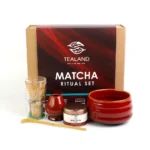
  4. For authentic preparation tools, consider our Matcha Whisk or complete Matcha Tea Set which includes everything you need to create perfect matcha

Modern Matcha Preparation Tips

For matcha lattes, use culinary grade matcha that maintains flavour when mixed with milk.Heat milk separately to avoid overheating the matcha powder. Combine prepared matcha base with warm milk for optimal taste balance.

Electric frothers can substitute for bamboo whisks but may not achieve the same smooth texture that traditional whisking provides.

The key is thorough mixing to ensure even distribution of all flavour compounds.

If you’re interested in exploring different grades, try our Matcha Yabukita 30g for ceremonial preparation or Culinary Matcha for lattes and cooking.

Storage for Optimal Flavour

  • Store unopened matcha in the refrigerator to preserve freshness and prevent oxidation that damages taste.
  • Once opened, consume within 1-2 months for best flavour quality. Proper storage maintains the vibrant green colour and prevents the development of off-flavours.
  • Keep matcha in airtight containers away from light and heat. Exposure to air causes oxidation that creates bitter, stale tastes that mask matcha’s natural sweetness and umami characteristics.

FAQ: Common Matcha Taste Questions

Q: Is matcha supposed to be bitter or sweet?
High-quality ceremonial grade matcha should have natural sweetness with minimal bitterness. The taste depends on the grade, preparation method, and water temperature used. Proper preparation at 70-80°C brings out matcha’s natural balance of sweet, umami, and vegetal notes.
Matcha has a complex flavor profile combining vegetal grassiness, oceanic umami, and natural sweetness with a smooth, creamy finish. The taste is earthy yet refreshing, with depth that develops as you drink it.
The vegetal, grassy notes come from high chlorophyll content created during shade-growing. This is normal and desirable in quality matcha. Poor quality matcha may taste overly grassy or bitter, while good matcha balances vegetal notes with sweetness and umami.
Milk creates a creamy, balanced flavor that mellows matcha’s intensity while preserving its distinctive character. The combination results in smooth comfort with subtle grassiness and enhanced sweetness as milk proteins bind with tannins. For those who prefer sweeter drinks, this preparation method makes matcha more approachable for newcomers.
Soapy taste usually indicates poor quality matcha, improper storage, or water that’s too hot. Fresh, high-quality matcha prepared with 70-80°C water should never taste soapy. Try different brands or check your preparation technique. Our Uji Hikari 30g offers excellent quality for beginners.
Start with ceremonial grade matcha and proper water temperature (70-80°C). Sift the powder to remove lumps, whisk thoroughly to create foam, and consider adding a small amount of sweetener if needed. The key is using quality matcha – poor grades will always taste bitter regardless of preparation.

Conclusion

If you’ve scrolled straight to the bottom (we get it – life’s busy!), here’s what you missed:

matcha doesn't taste anything like what you'd expect. It's grassy but not bitter, sweet but not sugary, and has this savory umami depth that's honestly hard to describe until you try it.

But here’s the thing. Everything from the grade you choose to how hot your water is will completely change your experience. That’s why we spent time breaking down the science behind those vegetal notes, explaining why ceremonial grade tastes so different from culinary grade, and sharing the preparation mistakes that turn good matcha bitter. For those who want to read more, explore our guide on Best Teas for Morning, Noon and Night to discover how matcha fits into your daily routine, or grab our Matcha Tea Set to start your journey with proper tools.

Leave a Reply

Your email address will not be published. Required fields are marked *

GET 10% OFF ON SIGNUP!

Best Selling Range:

Related Articles