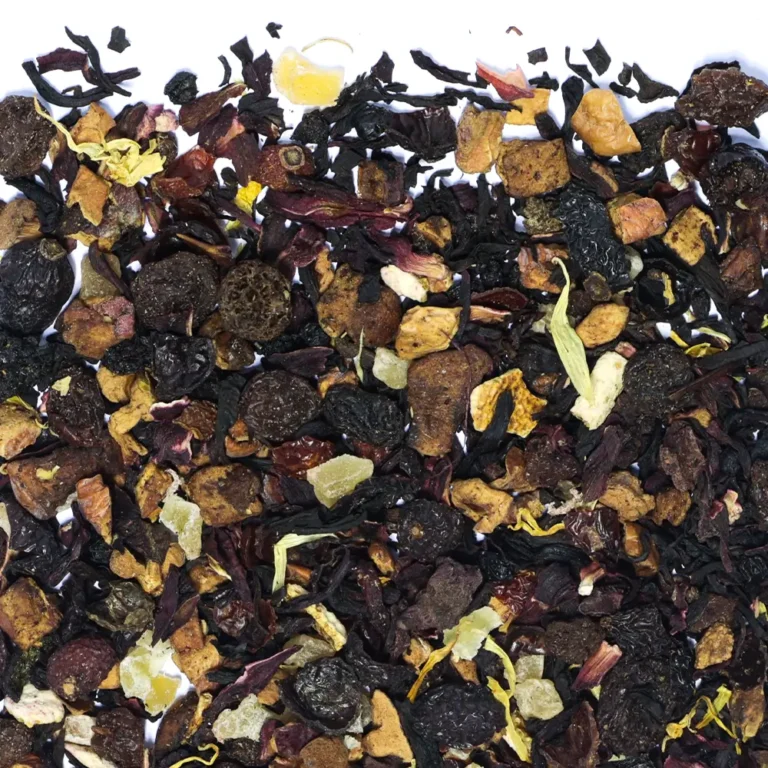
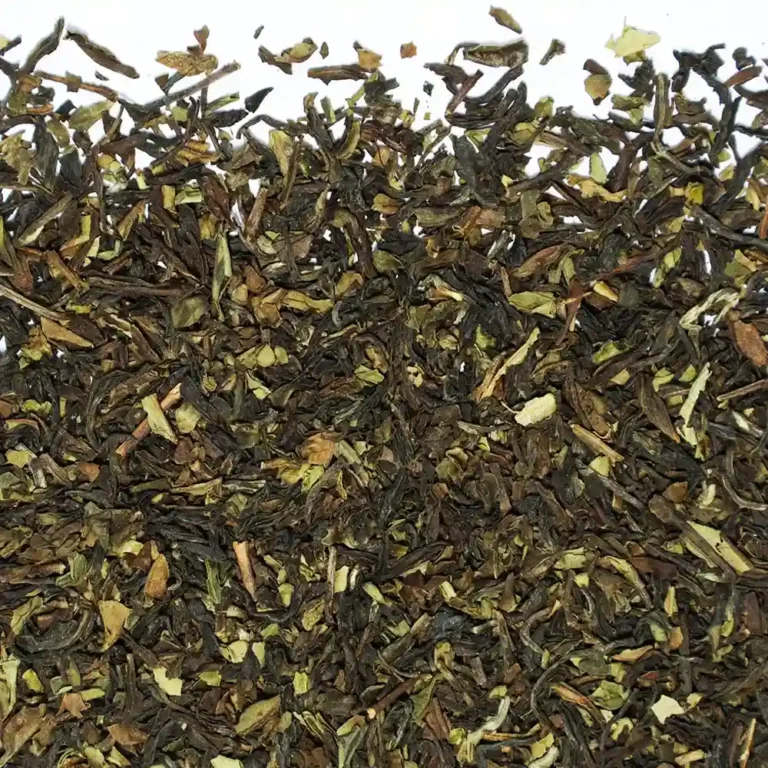
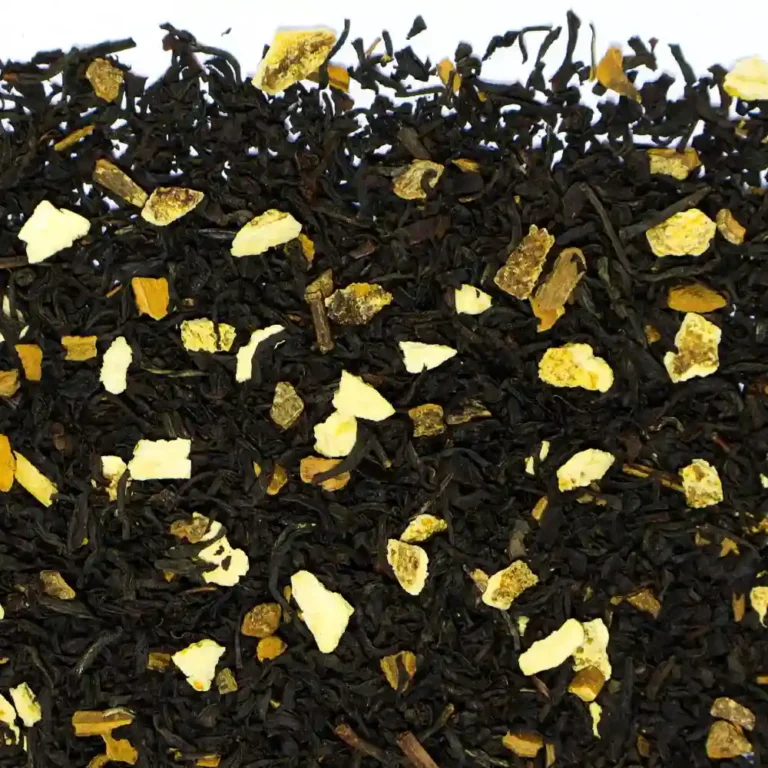
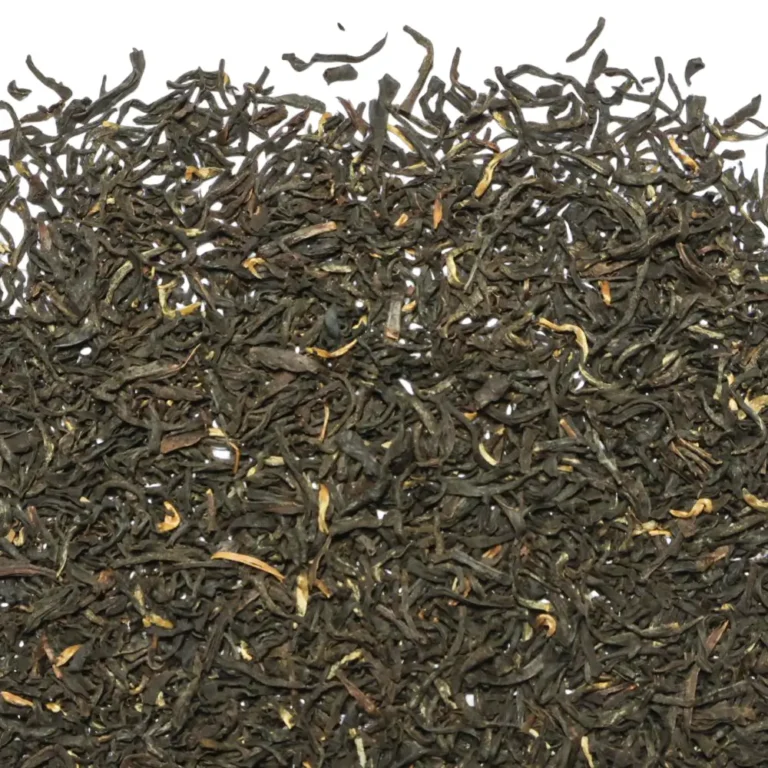
Your morning cup of black tea does so much more than wake you up. This beloved drink from the Camellia sinensis plant packs a powerful punch of health benefits that can transform your wellness routine. From protecting your heart to sharpening your mind, black tea offers scientifically proven advantages that make every sip count. The best part? You don’t need to drink gallons to see results.
Research shows that just 3-4 cups of black tea daily can reduce your stroke risk by 21%, improve cognitive function within 40 minutes, and boost bone density by 20%. These aren’t small improvements—they’re lifechanging benefits backed by studies involving hundreds of thousands of participants.
Black tea and green tea come from the same Camellia sinensis plant, but they’re worlds apart in processing and health benefits. The key difference lies in oxidation—black tea leaves undergo complete oxidation, while green tea skips this step entirely.
This oxidation process creates black tea’s signature dark color and robust flavor. More importantly, it transforms the tea’s chemical makeup, producing unique compounds called theaflavins and thearubigins that you won’t find in green tea. These special compounds pack serious antioxidant power. Research published in the Journal of Nutrition found that the aflavins in black tea are equally effective antioxidants as the famous catechins in green tea.
But black tea doesn’t stop there—it also contains 40-90mg of caffeine per cup compared to green tea’s 25-50mg, giving you that extra energy boost. The flavor profiles tell the whole story. Green tea offers a light, grassy taste, while black tea delivers bold, malty notes that pair beautifully with milk, lemon, or honey. This makes black tea incredibly versatile for daily consumption.
Your heart loves black tea, and the science proves it. A comprehensive analysis of 11 randomized controlled trials found that drinking black tea regularly reduces systolic blood pressure by 1.8 mmHg and diastolic pressure by 1.3 mmHg. These numbers might seem small, but they translate to a 10% reduction in stroke mortality risk.
The cholesterol benefits are equally impressive. Studies show black tea consumption can lower LDL (bad) cholesterol by up to 11% when you drink about 5 cups daily. Even moderate consumption of 3-4 cups shows meaningful improvements in cholesterol profiles. Black tea works its magic through improved blood vessel function. The theaflavins enhance nitric oxide production, helping your arteries relax and blood flow more freely.
Research published in Circulation demonstrated that patients with coronary artery disease experienced significant improvements in artery function within just 2 hours of drinking black tea. The heart health benefits become even more powerful with regular consumption. A study following patients for 4 weeks found sustained improvements in endothelial function—the critical ability of blood vessels to dilate properly
Here’s where black tea truly shines. Multiple large-scale studies consistently show that drinking black tea significantly reduces stroke risk. A Swedish study following nearly 75,000 adults for over 10 years found that people who drank 4 or more cups daily had a 21% lower stroke risk. The protection works for both types of strokes.
Meta-analysis research shows a 13% reduction in total stroke risk and an even better 24% reduction in ischemic stroke risk for each 3-cup daily increase in tea consumption. The mechanism involves black tea’s ability to improve blood vessel health and reduce inflammation. The antioxidants in black tea protect against the oxidative stress that can damage blood vessels and lead to stroke-causing clots.
This stroke protection appears across different populations and study designs, making it one of the most reliable benefits of black tea consumption. The dose-response relationship is clear— more tea means better protection, up to about 4 cups daily where benefits plateau.
Need to sharpen your mind? Black tea delivers cognitive benefits faster than you might expect. Studies show measurable improvements in brain function within just 40 minutes of consumption. The secret lies in black tea’s unique combination of L-theanine and caffeine.
This amino acid works synergistically with caffeine to enhance attention while reducing the jitters you might get from coffee. Research demonstrates 264ms faster executive function times and 28ms faster reaction times after drinking black tea. The L-theanine content in black tea ranges from 4.5-22.5mg per cup, creating the perfect balance with caffeine for optimal cognitive performance. This combination improves task switching accuracy and enhances memory recall in ways that neither compound achieves alone. Long-term cognitive benefits are equally impressive. A meta-analysis of 17 studies involving over 48,000 participants found that regular tea drinkers had a 27% lower risk of cognitive disorders.
Brain imaging studies even show that tea drinkers have more efficient brain connectivity and better-organized neural networks. The brain benefits extend to mood and stress reduction. The L-theanine in black tea promotes alpha brain wave production, creating a state of relaxed alertness that’s perfect for focused work or study.
Black tea acts like a natural blood sugar manager, making it particularly valuable for people concerned about diabetes risk. Studies show that drinking black tea with meals can reduce postmeal glucose spikes by approximately 15%. The magic happens through multiple mechanisms. Black tea contains high-molecular-weight polyphenols that inhibit digestive enzymes like α-glucosidase and α-amylase, essentially slowing down carbohydrate absorption. This means your blood sugar rises more gradually after eating.
Research with 24 participants found significant decreases in blood glucose levels when 110- 220mg of black tea polyphenols were consumed with sucrose. The benefits worked for both normal and pre-diabetic individuals, showing broad applicability. The insulin sensitivity improvements are particularly noteworthy. A study of 16 obese, insulinresistant men showed a 29% reduction in insulin response when black tea was consumed with glucose, indicating improved insulin effectiveness.
Japanese research confirmed these findings, showing significant reductions in both glucose and insulin responses when black tea was consumed with rice meals. This makes black tea an excellent daily beverage for anyone managing blood sugar levels.
Black tea’s cancer-fighting potential shows particular promise for certain types of cancer. The strongest evidence comes from oral cancer prevention, where studies show a 14.7% risk reduction with regular consumption. The cancer protection comes from black tea’s unique theaflavins, which demonstrate powerful anti-cancer activity in laboratory studies. These compounds work through multiple mechanisms —they trigger cancer cell death, stop tumor growth, and reduce the formation of new blood vessels that feed tumors. Animal studies provide compelling evidence of black tea’s protective effects.
Research using polymeric black tea polyphenols achieved complete prevention of tumors in hamster models, working through modulation of critical cellular pathways involved in cancer development. However, the evidence varies significantly by cancer type. While oral cancer shows clear protective effects, breast cancer research shows mixed results, with some studies suggesting benefits and others showing neutral or slightly negative effects. The anti-cancer compounds in black tea, particularly theaflavin-3,3′-digallate, show the strongest activity against cancer cells. These compounds can reduce cancer cell viability by up to 75% at specific concentrations, demonstrating significant therapeutic potential.
Your bones get a real boost from regular black tea consumption. Large-scale research involving over 440,000 European adults found that tea drinkers had a 20% higher likelihood of increased bone mineral density compared to non-drinkers. The bone benefits are particularly strong for middle-aged adults. The 45-60 age group showed a remarkable 36% higher bone mineral density likelihood among regular tea drinkers, making black tea especially valuable during the years when bone loss typically accelerates.
Long-term studies support these findings impressively. A Taiwan study following over 42,000 people for 8.5 years found significant reductions in osteoporosis risk and hip fracture risk among high tea consumers, particularly benefiting middle-aged women. The mechanisms behind these bone benefits involve black tea’s ability to reduce bonedestroying osteoclast activity while supporting bone-building processes.
Animal studies show that black tea extract prevents bone loss and improves bone density, fracture resistance, and cortical thickness. The protective effects work across multiple bone sites, with significant benefits documented for the lumbar spine, hips, femoral neck, and femoral trochanter. This comprehensive bone protection makes black tea consumption a simple strategy for long-term skeletal health.
Black tea offers a unique approach to weight management through its effects on gut bacteria. UCLA research discovered that black tea polyphenols stimulate specific beneficial bacteria while decreasing obesity-associated bacteria, leading to weight loss comparable to low-fat diet interventions.
The weight management benefits occur because black tea polyphenols are too large for small intestine absorption. Instead, they reach the colon where they act as prebiotics, feeding beneficial bacteria and promoting the formation of short-chain fatty acids that support healthy metabolism. Clinical trials back up these findings. A study with 111 regular tea drinkers showed significant improvements in body weight and body fat distribution within 3 months of consuming 3 cups daily.
The effects occurred through multiple metabolic pathways working simultaneously. Black tea enhances thermogenesis—your body’s ability to burn calories—while increasing fat oxidation and reducing fat storage. These metabolic improvements create sustainable changes that support healthy weight maintenance rather than quick fixes. The gut microbiome changes from black tea consumption appear unique among beverages, offering a distinct advantage for people looking to support their weight management goals through dietary choices.
Getting the most from black tea is easier than you might think. The optimal amount for health benefits is 3-4 cups daily, which provides 240-1500mg of beneficial flavonoids while keeping caffeine at safe levels.
Both teas offer impressive health benefits, but they shine in different areas. Green tea takes the lead for general aging benefits and weight loss support, while black tea excels in cardiovascular protection and cognitive enhancement. The antioxidant power is surprisingly similar. Research shows that theaflavins in black tea provide equal antioxidant activity to green tea’s famous catechins, just through different mechanisms.
Black tea is remarkably safe for most people, but a few considerations are worth noting. The main concerns involve caffeine sensitivity and iron absorption interference.
The key is listening to your body and adjusting consumption based on your individual tolerance and health status.
Black tea deserves a permanent place in your daily routine. With benefits ranging from 21% stroke risk reduction to improved cognitive function within 40 minutes, this ancient beverage offers modern health solutions backed by solid science. The beauty of black tea lies in its simplicity and versatility. Whether you prefer it plain, with lemon, or as a robust English Breakfast blend, you’re investing in your long-term health with every sip.
The research involving hundreds of thousands of participants consistently shows that 3-4 cups daily provides optimal benefits while remaining perfectly safe for most people. Start small if you’re new to tea drinking. Replace one daily beverage with black tea and notice how you feel. Many people discover improved energy levels, better focus, and enhanced overall well-being within just a few weeks. At Tealand, we’ve been perfecting the art of black tea for over two decades, bringing you premium varieties that maximize both flavor and health benefits.
Our carefully selected black teas provide the high-quality compounds your body needs to thrive, making every cup a step toward better health. Your future self will thank you for making black tea a daily habit. With benefits that span from your heart to your bones, from your brain to your metabolism, this remarkable beverage offers a simple, enjoyable path to enhanced wellness that fits seamlessly into any lifestyle.