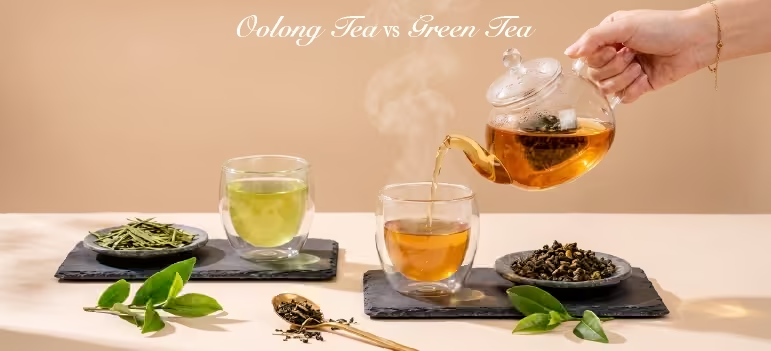
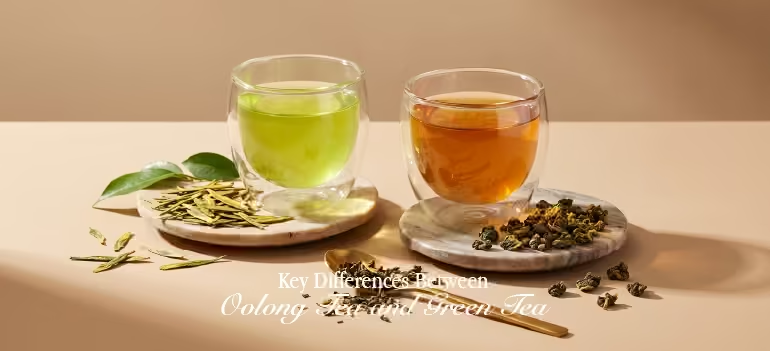
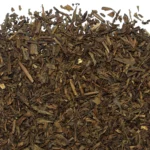
While green tea barely undergoes any oxidation at all, oolong tea gets partially oxidized, creating a middle ground between green and black tea. This simple difference transforms everything from the flavor, the color and even how these teas affect your body. Standing in the tea aisle trying to decide? You’re not alone. Let’s break down what actually matters so you can pick the tea that fits your life.
At a Glance: Quick Comparison
Feature
- Oxidation Level
- Flavor Profile
- Caffeine Per Cup
- Best Known For
- Brewing Temp
- Color When Brewed
Green Tea
- 0-5% (minimal)
- Fresh, vegetal, grassy
- 25-50mg
- High antioxidants & EGCG
- 160-180°F
- Pale yellow-green
Oolong Tea
- 20-80% (partial)
- Complex, fruity, floral, nutty
- 30-50mg
- Fat oxidation & metabolism
- 185-205°F
- Golden to deep copper
Key Takeaways
- Oxidation is everything: Green tea stays at 0-5% oxidation, keeping its fresh character. Oolong tea hits 20-80% oxidation, developing complex flavors you won't find anywhere else
- The taste difference is dramatic: If green tea is bright and grassy, oolong is rich and layered —think floral notes, stone fruit, sometimes even honey
- Both deliver serious health perks: We're talking antioxidants, heart health support, metabolism boost. They just work differently
- Caffeine levels are similar: Oolong edges slightly higher (30-50mg per cup) versus green tea (25-50mg), but honestly? The difference won't make or break your day
- For fat burning, oolong might have an edge: Studies show it ramps up fat oxidation, even while you sleep
- Your preference matters most: The "best" tea is whichever one you'll actually drink every day
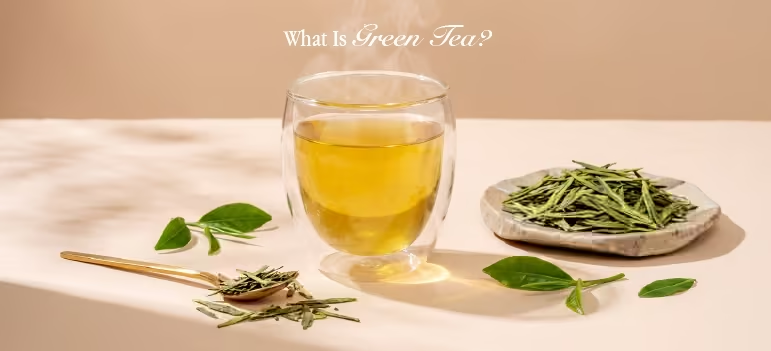
What Is Green Tea?
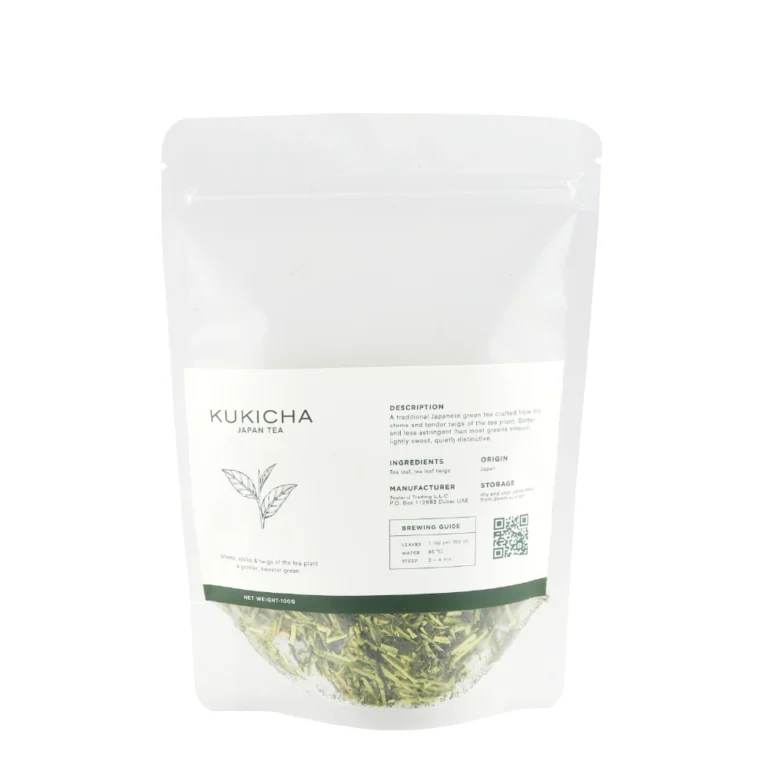
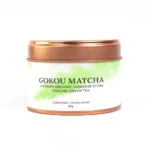
Then there’s Matcha, which is basically green tea in powdered form—if you’re curious about what makes matcha unique, we have a complete guide to matcha’s taste and characteristics.
The Flavor Experience:
Pro Tip: Brew it right (water around 160-180°F, steep for 2-3 minutes) and you'll get this pale yellow-green liquor that's light but packed with flavor. Go too hot or steep too long? You'll extract bitter compounds that completely mask the natural sweetness.
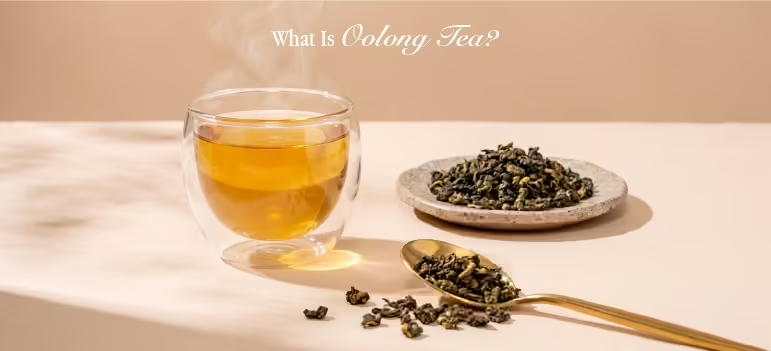
What Is Oolong Tea?
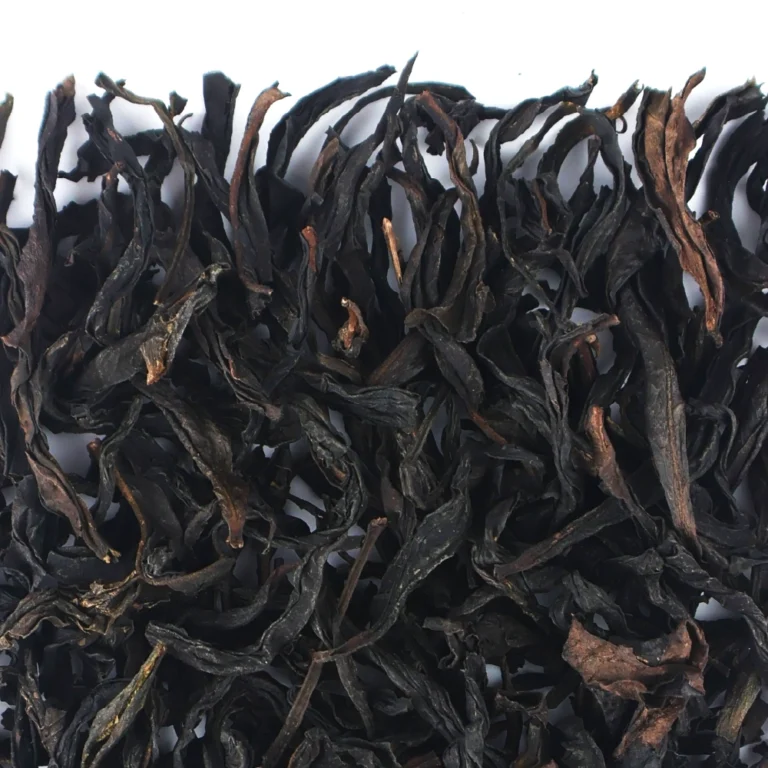
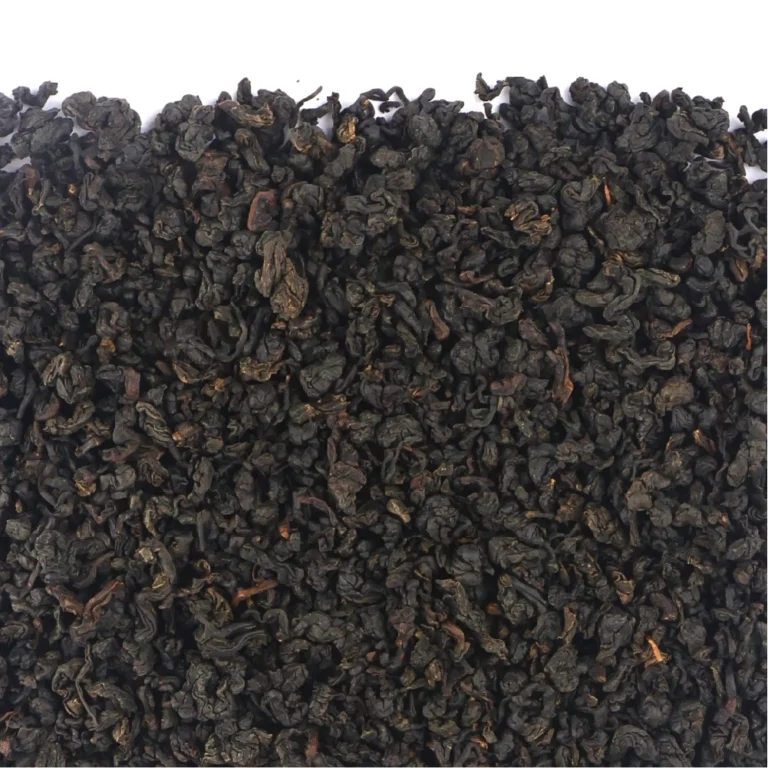
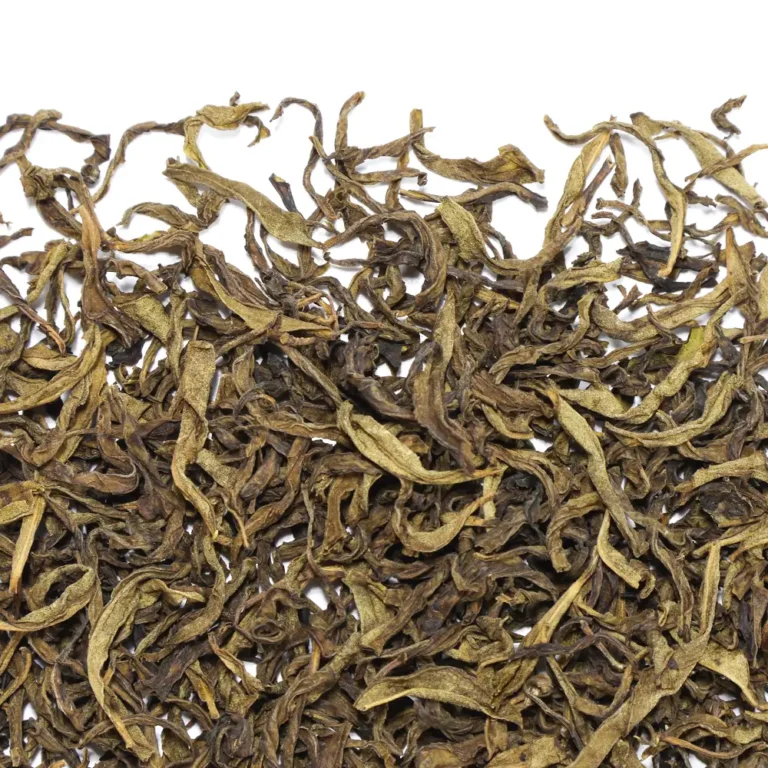
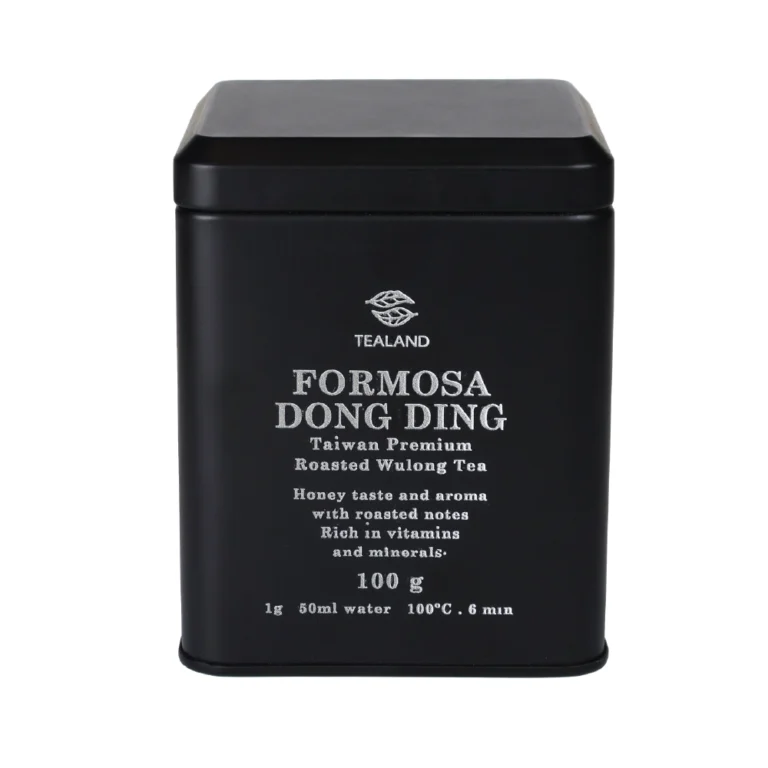
The partial oxidation process is what makes oolong special. Tea makers carefully control how much the leaves oxidize—anywhere from 20% up to 80%—through withering, rolling, and roasting. That range means you get incredible diversity. Light oolongs feel closer to green tea, while heavily oxidized ones approach black tea territory
Popular Oolong Varieties:
The Flavor Journey:
You might taste orchid, cream, peach, honey, or toasted nuts—sometimes all in one cup. Lighter oolongs lean floral and delicate. Darker ones bring rich, warming, almost caramelized notes. For those interested in exploring these unique flavor profiles, premium oolong varieties offer an excellent starting point.
Pro Tip: Brew it right (water around 160-180°F, steep for 2-3 minutes) and you'll get this pale yellow-green liquor that's light but packed with flavor. Go too hot or steep too long? You'll extract bitter compounds that completely mask the natural sweetness.
Key Differences Between Oolong Tea and Green Tea
🔄 Oxidation Levels
Green tea gets minimal oxidation—we’re talking under 5%. Producers heat the leaves right after picking to deactivate the enzymes that cause oxidation.
Oolong tea undergoes controlled partial oxidation, typically 20-80%. This transforms the tea’s entire chemical makeup, creating unique polyphenols you won’t find in green tea. Think of oxidation as a spectrum with green tea at one end, black tea at the other, and oolong dancing around in the middle—giving you way more variety than you’d expect.
👃 Taste and Aroma
Green Tea:
- Fresh, clean, vegetal flavors
- Like steamed vegetables or fresh-cut grass
- Japanese greens = savory umami
- Chinese varieties = sweeter and nuttier
Green Tea:
- Layered and evolving flavors
- Light oolongs = floral, creamy (orchids, lilies)
- Oxidized versions = stone fruit, honey, nuts
- Roasted oolongs = warming, toasty notes
👀 Appearance
The leaves themselves tell a story:
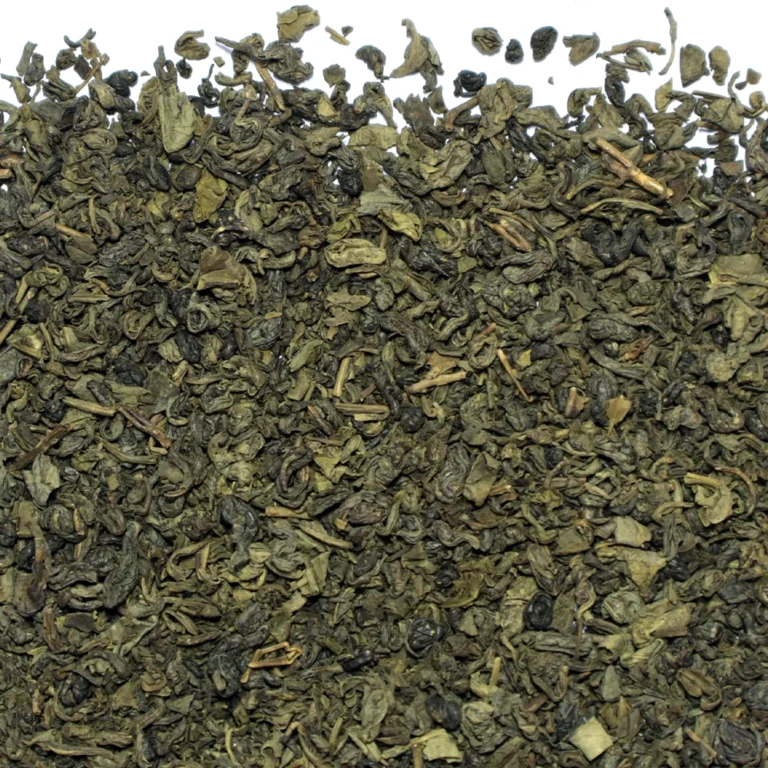
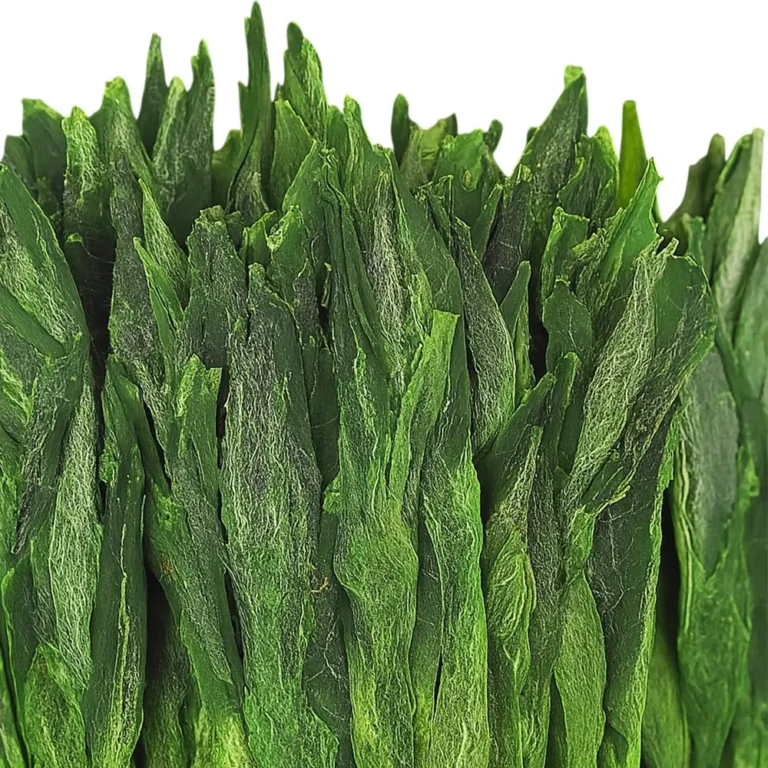
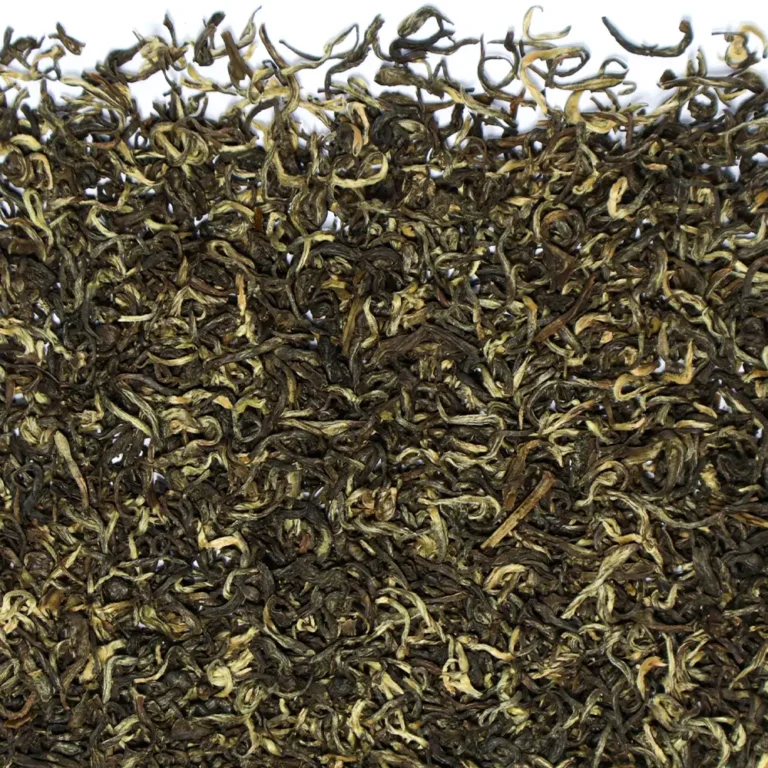
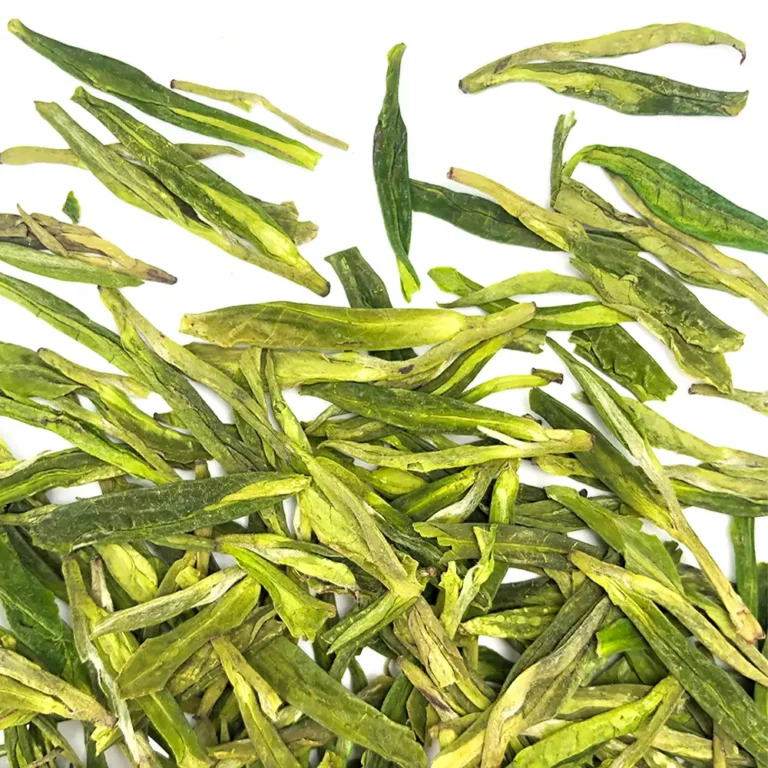
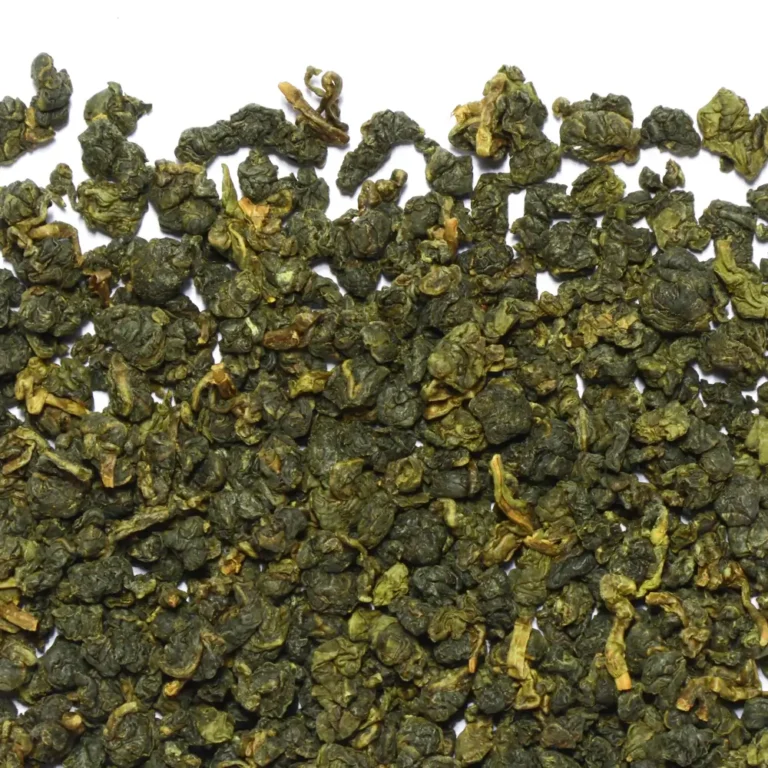
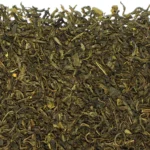
- Green tea leaves stay natural green—bright jade for Japanese types, deeper olive for Chinese
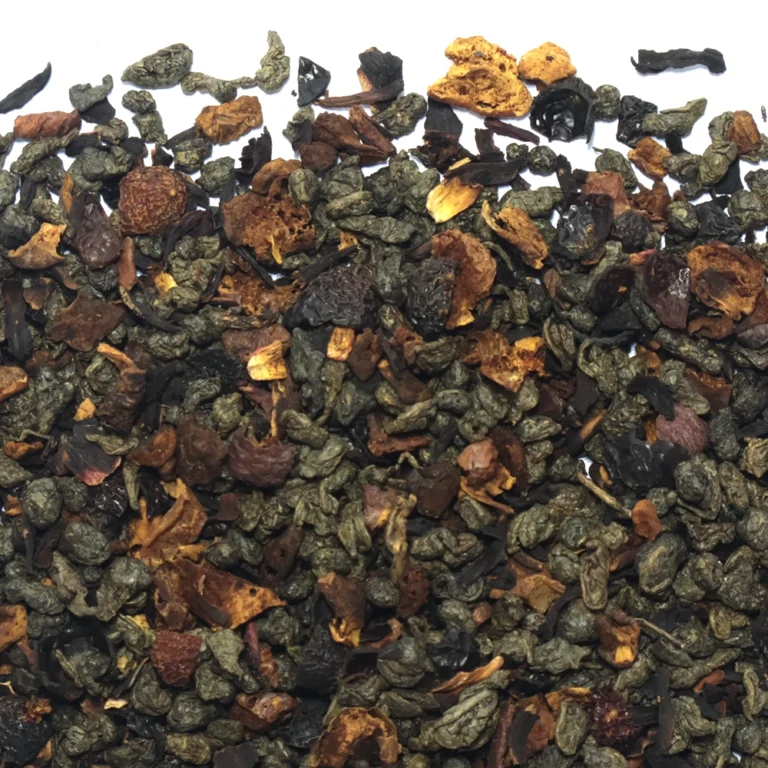
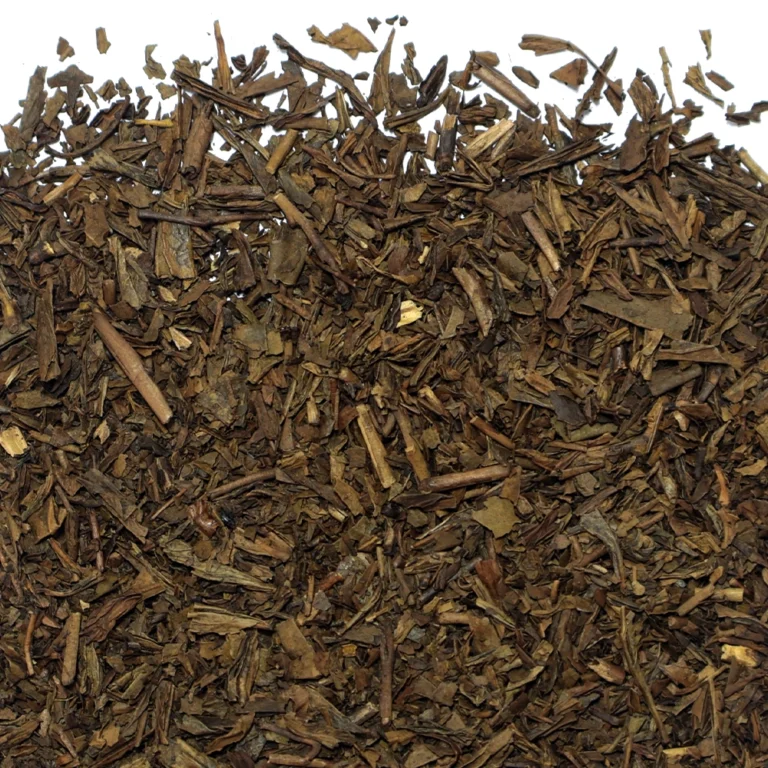
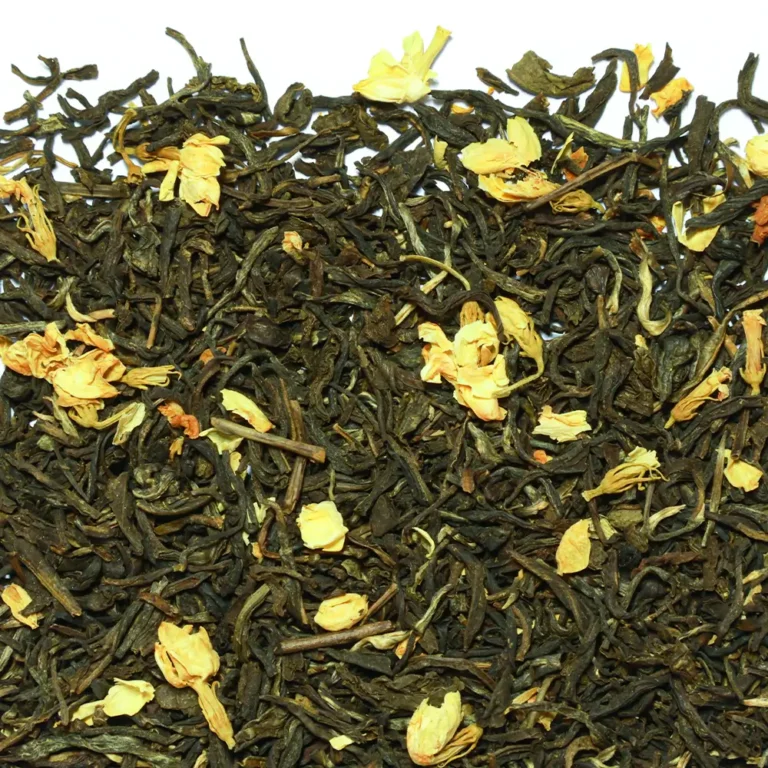
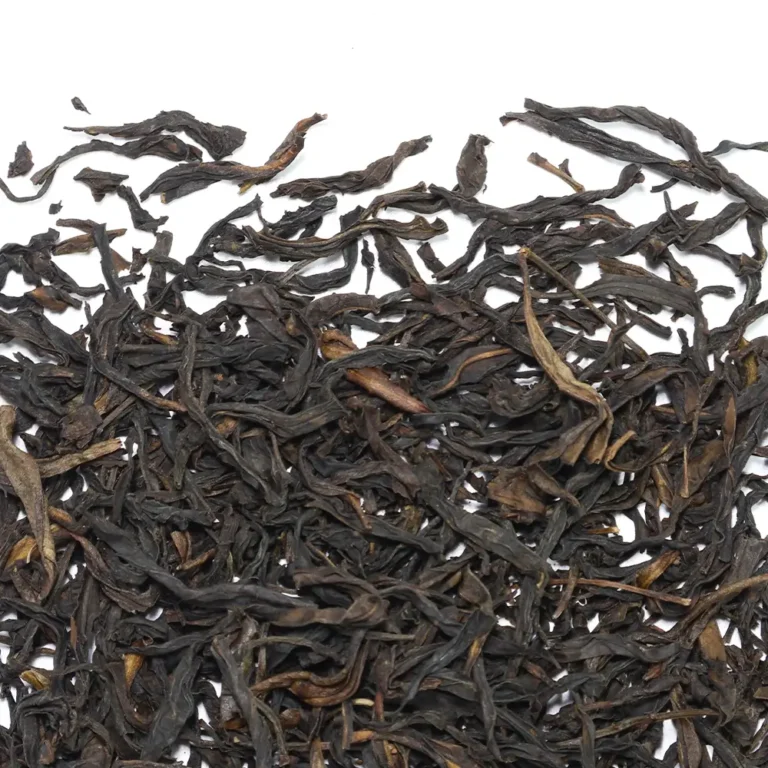
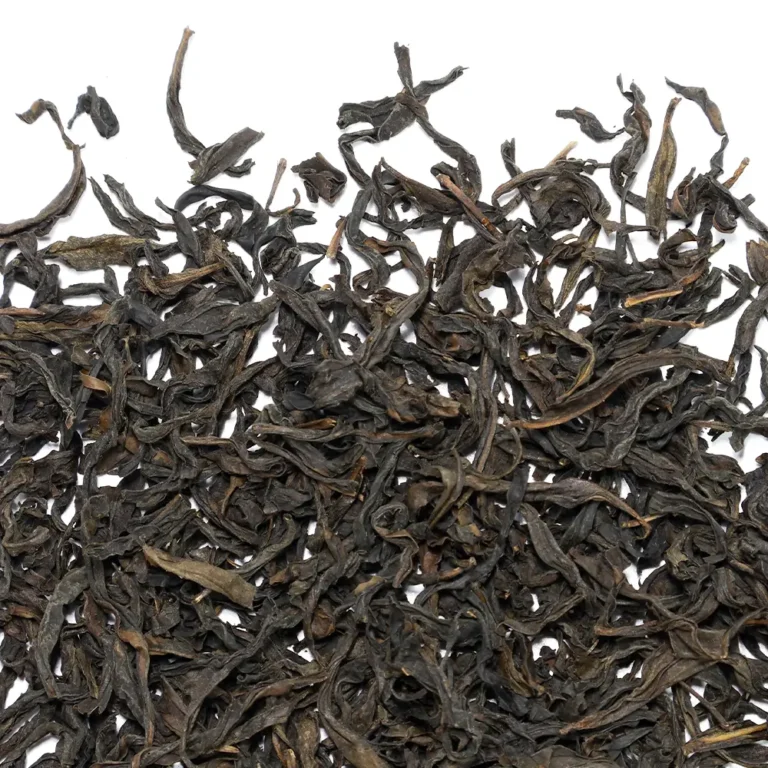
- Oolong leaves show brown, green, and sometimes reddish edges—visual proof of partial oxidation
When brewed:
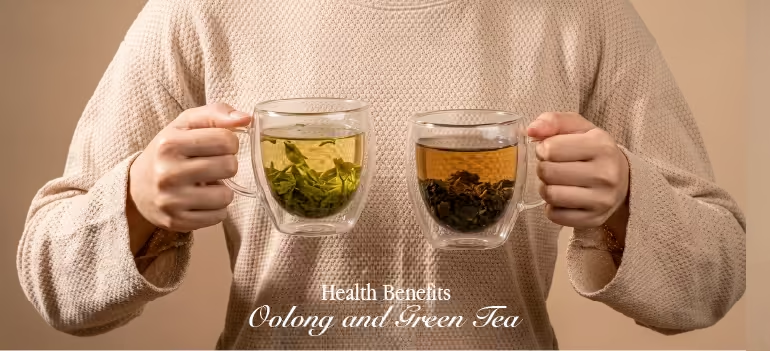
- Green tea: Pale yellow-green to vibrant green
- Oolong tea: Golden amber to deep copper
☕ Oolong Tea vs Green Tea Caffeine Content
Tea Type
- Green Tea
- Matcha
- Oolong Tea
- Black Tea
- Coffee
Caffeine per 8 oz Cup
- 25-50 mg
- 70+ mg
- 30-50 mg
- 40-70 mg
- 95-200 mg
What affects caffeine levels?
- How young the leaves are (younger = more caffeine)
- Growing altitude
- Harvest season
- The specific cultivar
- Your brewing method
The L-Theanine Effect: Here's something cool—both teas contain L-theanine alongside caffeine. This promotes focused calm instead of that wired-then-crashed feeling some people get from coffee. You get alert but not anxious.
💚 Health Benefits: Oolong and Green Tea
Shared Health Benefits
- Fight oxidative stress
- Support heart health
- May reduce inflammation
- Help regulate blood sugar
- Support cardiovascular function
Green Tea Specific Benefits
Weight Management & Fat Loss
A study published in the Journal of Nutrition found that green tea catechins enhance exercise induced belly fat loss in overweight adults. The catechin group lost significantly more
abdominal fat than controls.
Research Highlight: A meta-analysis in the International Journal of Obesity showed catechinEGCG mixtures produced average weight loss of 1.31 kg over 12+ weeks.
Diabetes Prevention
Cardiovascular Protection
How it works: EGCG inhibits an enzyme that breaks down noradrenaline, extending the fatburning signal. Combined with caffeine, this creates a synergistic metabolism effect.
Oolong Tea Specific Benefits
Cardiovascular Protection
What’s wild? Oolong achieved this with roughly half the caffeine and EGCG of green tea. Its unique compounds work through different pathways.
Cardiovascular Benefits
- Drinking 2+ cups daily = lowest odds of abnormal cholesterol
- Long-term drinkers had significantly better lipid profiles
Blood Sugar Management
- Reduced blood glucose by 29%
- Reduced fructosamine by 21%
- In diabetic patients taking medication
Fat Burning During Sleep
Unique Advantage: A 2020 study in Nutrients showed oolong increased nighttime fat oxidation by 20% without messing with sleep quality—pretty unique for weight management.
⚖️ Which Tea Is Better for Weight Loss?
Oolong Tea's Edge
- Activates the AMPK/ACC signaling pathway
- Inhibits pancreatic lipase (reducing fat absorption)
- Provides unique polymerized polyphenols
- Works during rest and sleep periods
- 70% of severely obese subjects lost over 1 kg
- 22% lost more than 3 kg
Green Tea's Strengths
- Higher EGCG content works with caffeine
- Boosts energy expenditure by 4-5%
- Supports appetite regulation
The Honest Answer
How to Brew Oolong and Green Tea
Green Tea Brewing Guide
Parameter
- Water Temperature
- Steeping Time
- Tea Amount
- Multiple Steeps
Recommendation
- 160-180°F (70-80°C) - never boiling
- 2-3 minutes
- 1 teaspoon per 8 oz water
- 2-3 times for quality greens
Oolong Tea Brewing Guide
Parameter
- Water Temperature
- Steeping Time
- Tea Amount
- Multiple Steeps
Recommendation
- 185-205°F (85-96°C) - hotter for darker oolongs
- 3-5 minutes for first steep
- 1-2 teaspoons per 8 oz water
- 5-7+ times for premium oolongs
The Evolution: Oolong reveals different flavors with each steep. First infusion might be floral, second fruity, third developing deeper roasted notes. This evolution is part of what makes oolong special.
Advanced Technique: Gongfu Tea Brewing
Tea Bags vs Loose Leaf
🎯 Oolong Tea or Green Tea: Which Should You Choose?
Choose Oolong Tea If You:
- Prefer complex, layered flavors with fruity and floral notes
- Want maximum fat-burning support, including during sleep
- Enjoy exploring different oxidation levels and regional varieties
- Need help managing cholesterol
- Appreciate teas that evolve through multiple steepings
Choose Green Tea If You:
- Love fresh, clean, vegetal flavors
- Seek maximum antioxidant content and EGCG
- Want robust cardiovascular and stroke prevention benefits
- Prefer lighter, more refreshing beverages
- Are focused on diabetes prevention
Why Not Both?
Remember: The best tea is the one you'll drink consistently. Both oolong and green tea offer tremendous health benefits when consumed regularly as part of a healthy lifestyle.
💡 Getting Started
- Visit a tea shop where you can actually smell and taste before buying
- Pay attention to how each tea makes you feel—energy levels, digestion, overall enjoyment
- Experiment with brewing methods to find your sweet spot
FAQ
Is oolong tea or green tea healthier?
Both are exceptionally healthy with different strengths. Green tea provides higher antioxidant content and EGCG levels, making it excellent for direct antioxidant protection and stroke prevention. Oolong offers superior metabolic effects and fat oxidation despite lower catechin content, thanks to unique polymerized polyphenols created during partial oxidation. The healthier option really depends on your specific health goals—neither is objectively better.
Does oolong tea or green tea have more caffeine?
Oolong contains slightly more on average (30-50mg per cup) versus green tea (25-50mg per
cup). The difference is modest though, and varies significantly based on:
Tea variety
Growing conditions
Leaf age
How you brew it
Both contain way less caffeine than black tea or coffee, making them moderate-caffeine options
suitable for most people.
Is oolong tea green tea or black tea?
Oolong is neither—it’s its own category.
All three come from Camellia sinensis but differ in oxidation:
Green tea: 0-5% oxidation (minimal)
Oolong tea: 20-80% oxidation (partial)
Black tea: 85-100% oxidation (full)
This puts oolong closer to green in lighter varieties and closer to black in heavily oxidized versions, creating incredible diversity within the oolong category.
Which is better for weight loss: oolong tea or green tea?
Both support weight loss through different mechanisms:
Oolong Tea:
Superior fat oxidation effects
Burns roughly 12-20% more fat in clinical studies
Benefits extend into sleep periods
✓ Best for targeted fat burning
Green Tea:
Boosts overall metabolism and thermogenesis
Increases 24-hour calorie expenditure
Supports appetite regulation
✓ Best for metabolic support
The real answer? Whichever tea you’ll drink daily for at least 12 weeks while maintaining
healthy habits
What's the difference in taste between oolong and green tea?
Green Tea:
Fresh, vegetal, grassy flavors
Crisp and clean
Sometimes subtle sweetness or nuttiness
Consistent but delicate
Oolong Tea:
Complex, layered tastes
Floral and creamy (lighter varieties)
Fruity, nutty, roasted (darker versions)
Evolves through multiple steepings
Prefer subtle, refreshing flavors? Green tea wins. Enjoy bold, evolving complexity? Oolong’s your
match.
Can you drink too much tea?
While both teas are safe for most people, moderation matters.
More than 8-10 cups daily could mean:
Excessive caffeine (jitters, sleep issues, anxiety)
Rare cases of liver stress from very high EGCG doses (800mg+)
Stick to 3-5 cups daily for optimal benefits without adverse effects.
⚠️ Check with your healthcare provider if you’re:
Sensitive to caffeine
Pregnant
Taking medications
Have liver conditions
🌿 Conclusion
- Unmatched antioxidant power
- High EGCG content
- Impressive cardiovascular benefits
- Consistent metabolic support
- Unique fat-burning advantages
- Complex flavor profiles
- Powerful lipid-lowering effects
- Compounds found nowhere else
Ready to Explore Premium Teas?
Your Perfect Cup Awaits: The best tea is the one you'll brew daily and genuinely enjoy. Whether that's the fresh brightness of green tea or the complex character of oolong, start your tea journey today.
Sources
Clinical Studies - Oolong Tea
- Rumpler W, Seale J, Clevidence B, et al. Oolong tea increases metabolic rate and fat oxidation in men. J Nutr. 2001;131(11):2848-2852.
- He RR, Chen L, Lin BH, et al. Beneficial effects of oolong tea consumption on diet-induced overweight and obese subjects. Chin J Integr Med. 2009;15(1):34-41.
- Zhang S, Takano J, Murayama N, et al. Subacute ingestion of caffeine and oolong tea increases fat oxidation without affecting energy expenditure and sleep architecture. Nutrients. 2020;12(12):3671.
- Shimada K, Kawarabayashi T, Tanaka A, et al. Oolong tea increases plasma adiponectin levels and low-density lipoprotein particle size in patients with coronary artery disease. Diabetes Res Clin Pract. 2004;65(3):227-234.
- Yi D, Tan X, Zhao Z, et al. Reduced risk of dyslipidaemia with oolong tea consumption: a population-based study in southern China. Br J Nutr. 2014;111(8):1421-1429.
- Hosoda K, Wang MF, Liao ML, et al. Antihyperglycemic effect of oolong tea in type 2 diabetes. Diabetes Care. 2003;26(6):1714-1718.
Clinical Studies - Green Tea
- Maki KC, Reeves MS, Farmer M, et al. Green tea catechin consumption enhances exerciseinduced abdominal fat loss in overweight and obese adults. J Nutr. 2009;139(2):264-270.
- Nagao T, Hase T, Tokimitsu I. A green tea extract high in catechins reduces body fat and cardiovascular risks in humans. Obesity (Silver Spring). 2007;15(6):1473-1483.
- Hsu CH, Tsai TH, Kao YH, et al. Therapeutic effect of high-dose green tea extract on weight reduction. Clin Nutr. 2016;35(3):592-599.
- Kuriyama S, Shimazu T, Ohmori K, et al. Green tea consumption and mortality due to cardiovascular disease, cancer, and all causes in Japan: the Ohsaki study. JAMA. 2006;296(10):1255-1265.
Meta-Analyses
- Hursel R, Viechtbauer W, Westerterp-Plantenga MS. The effects of green tea on weight loss and weight maintenance: a meta-analysis. Int J Obes (Lond). 2009;33(9):956-961.
- Pang J, Zhang Z, Zheng TZ, et al. Green tea consumption and risk of cardiovascular and ischemic related diseases: A meta-analysis. Int J Cardiol. 2016;202:967-974.
- Yang J, Mao QX, Xu HX, et al. Tea consumption and risk of type 2 diabetes mellitus: a systematic review and meta-analysis update. BMJ Open. 2014;4(7):e005632.
Additional Resources
Medical Disclaimer: This article is for informational purposes only and is not intended as medical advice. Always consult with a qualified healthcare provider before making significant changes to your diet or if you have any health concerns.
Published by Tealand Trading LLC
Your trusted source for premium teas since 2004