Unlock 10% off – just for signing up!
Which Tea is Good for Weight Loss

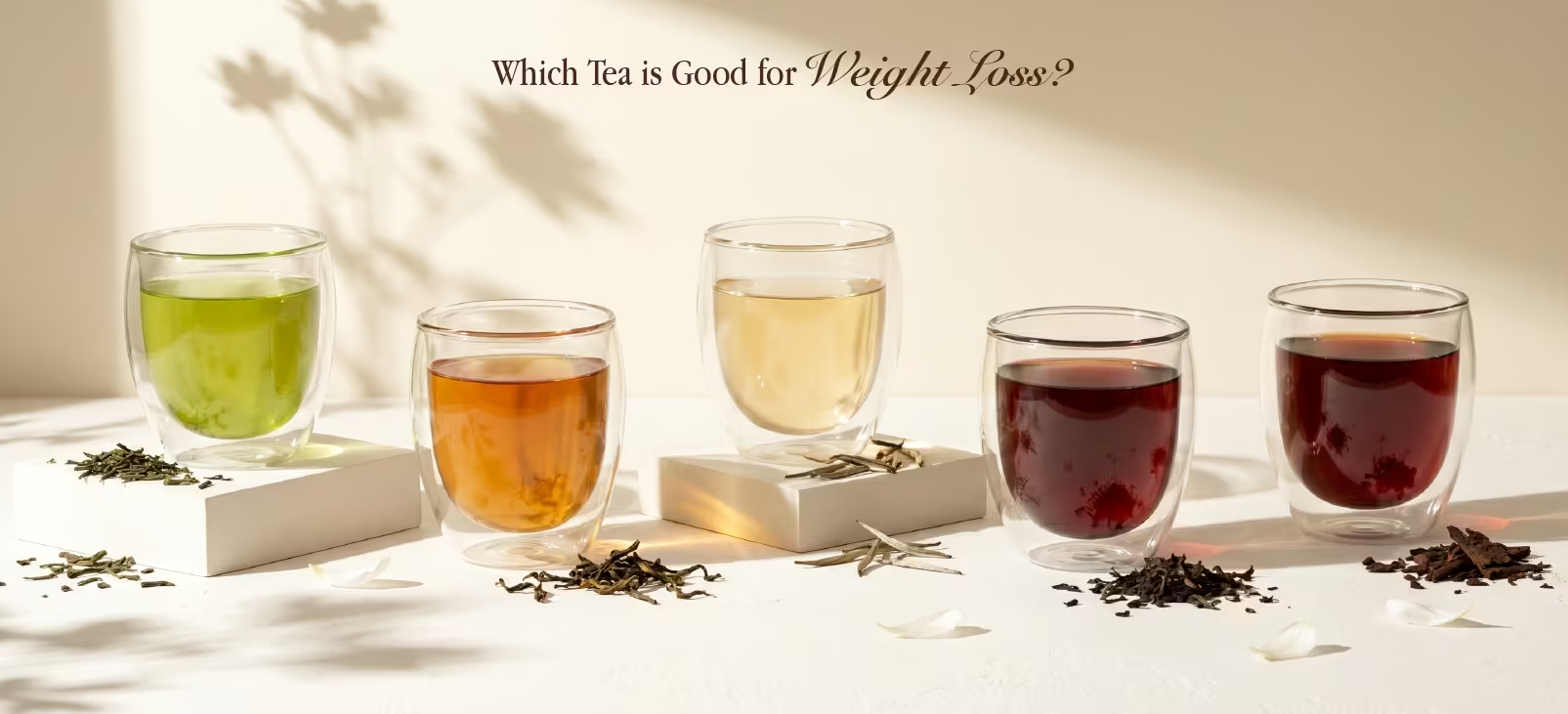
Which Tea is Good for Weight Loss? 5 Best Teas That May Help You Lose Weight

Green tea takes the lead when it comes to weight loss support, backed by the most clinical research showing modest but real results. Studies suggest consuming around 3-5 cups of green tea per day or about 500-800mg of catechins can help reduce body weight by 1-2 kg over 12 weeks when combined with a healthy diet and exercise.

But what’s interesting is that green tea isn’t the only option worth considering. We’ve narrowed down our search to five teas that you can consider making a part of your weight loss plan. None of these teas are magic bullets though! Think of them as helpful teammates in your overall weight loss plan, not miracle workers.

Key Takeaways

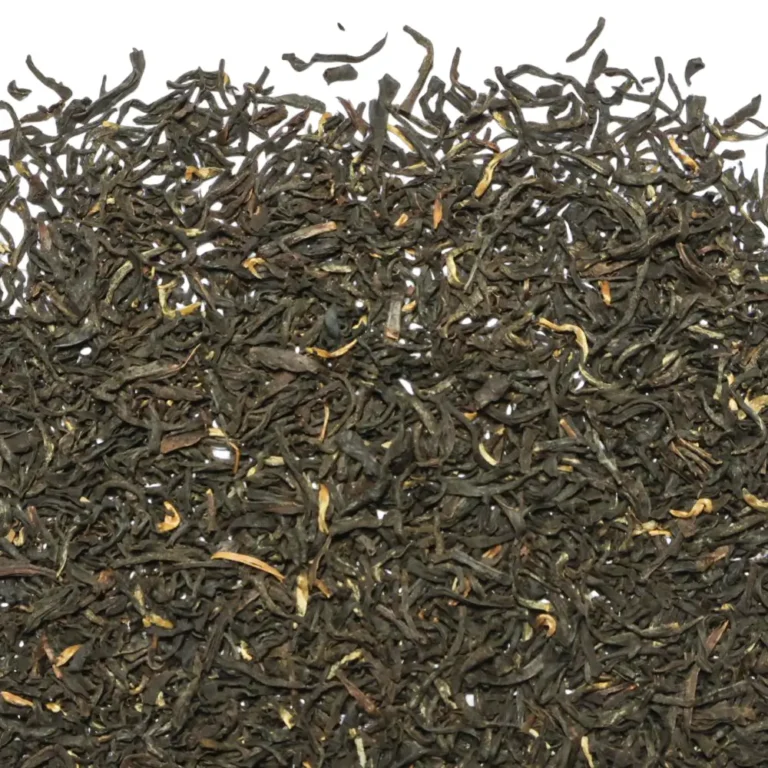
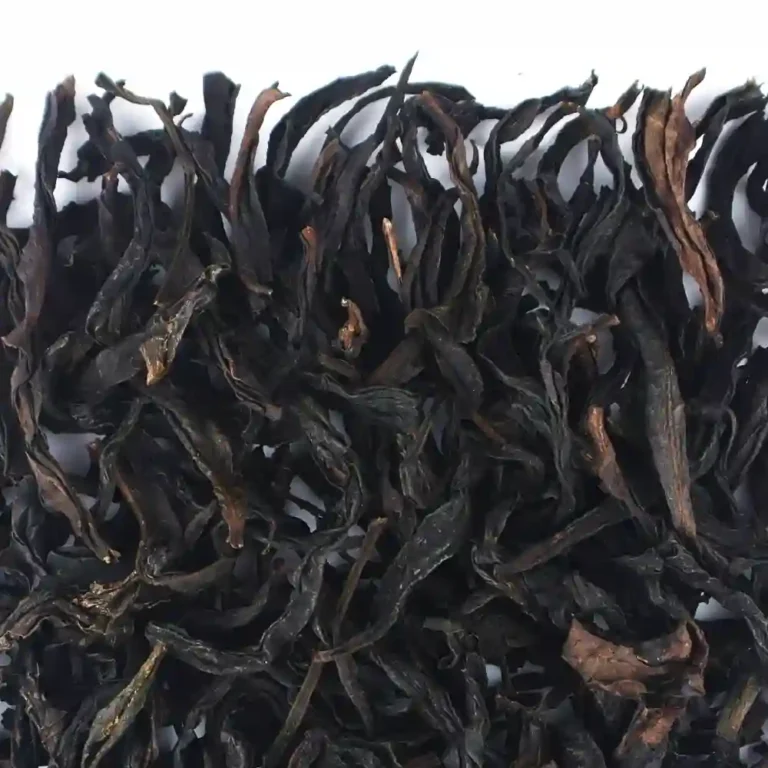
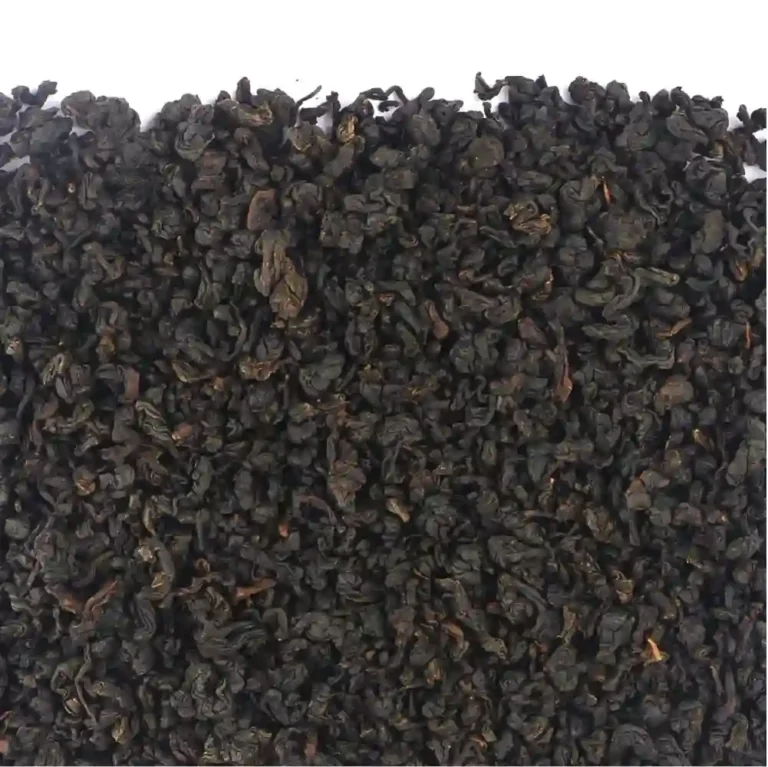
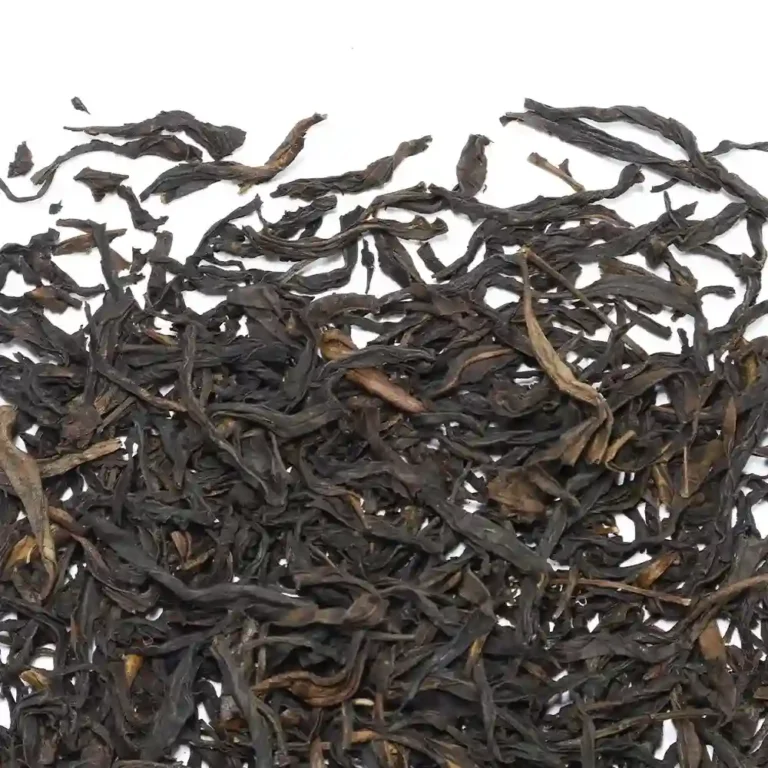
Best teas for weight loss (ranked by research strength):
What actually works: Tea combined with caffeine, plus regular exercise. Tea alone? The effects are pretty minimal.

Realistic expectations: You’re looking at 1-2 kg weight loss over 3 months, not dramatic transformations. Visceral fat reduction appears more reliable than overall weight loss.

Safety note: Brewed tea is safe. High-dose extracts (over 800mg EGCG) have been linked to liver problems in some people.
Top Teas for Weight Loss

At a Glance: Top Teas for Weight Loss

Here’s how the five main types of tea stack up based on actual clinical trials:
Tea Type Key Active Compounds How It May Work Best For Evidence Level
Green Tea EGCG, catechins (50-100mg per cup) Boosts metabolism, increases fat burning, especially with exercise People new to tea for weight management Strong (multiple metaanalyses)
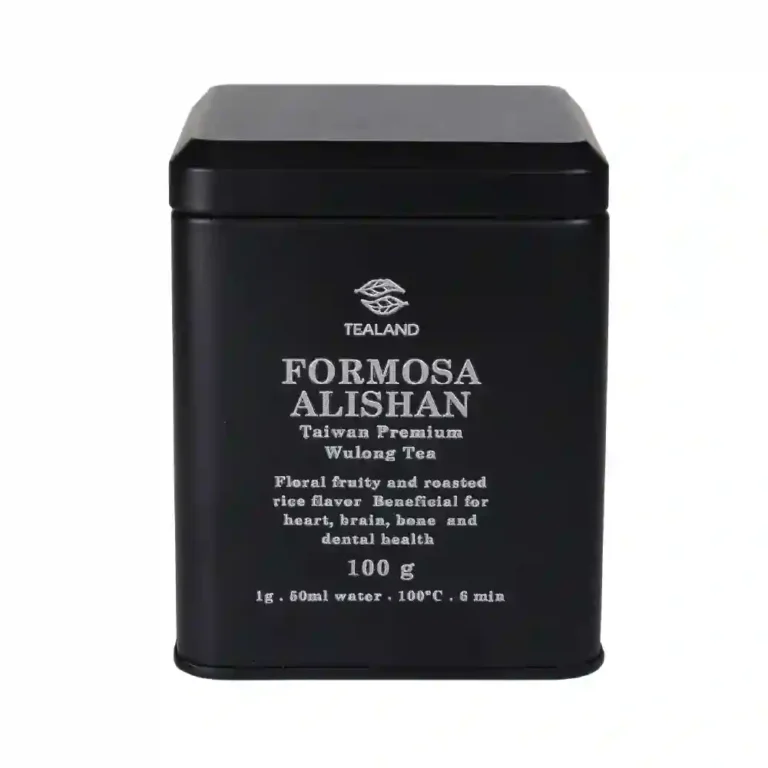
Oolong Tea Polymerized polyphenols, moderate caffeine Increases energy expenditure by ~10%, enhances fat oxidation Those wanting metabolic boost without high caffeine Moderate (several clinical trials)
Black Tea Theaflavins, thearubigins Alters gut bacteria, may reduce fat absorption Long-term gut health approach Limited (inconsistent results)
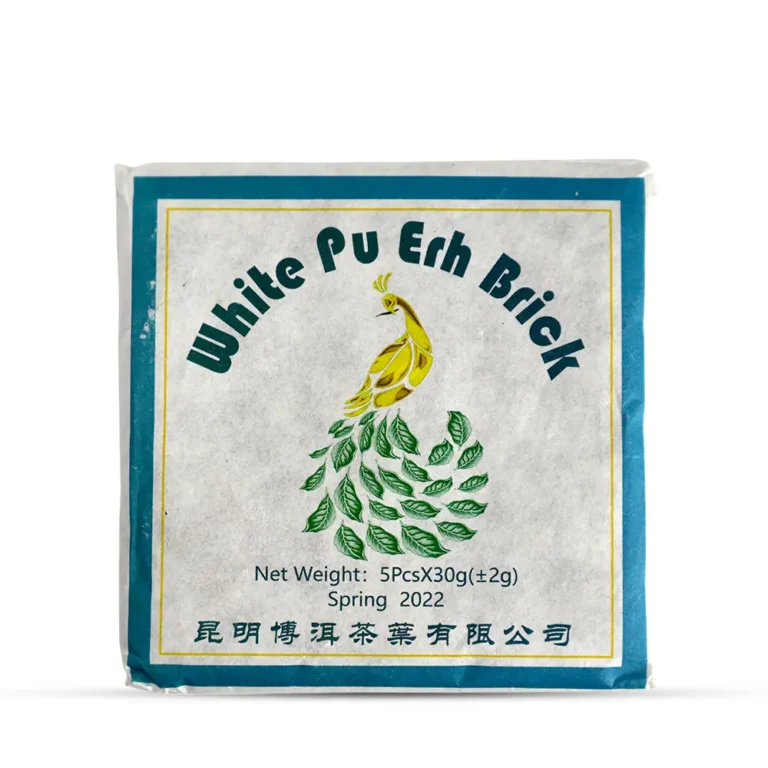
White Tea Highest catechins, minimal processing Blocks fat cell formation, increases metabolism Tea purists wanting minimal processing Emerging (very few human studies)
Pu-erh Tea Theabrownins, fermented compounds Modulates gut microbiome and bile acids Those interested in fermented foods Moderate (promising Asian studies)

How Tea May Help With Weight Loss

Let’s get real about what tea actually does in your body. Most weight loss effects come from catechins (plant compounds) that appear in all true teas from the Camellia sinensis plant.

The most studied catechin is EGCG (epigallocatechin gallate), which green tea has in abundance. Here’s what happens when you drink catechin-rich tea:

1 - Your metabolism gets a small boost.

Research shows green tea catechins can increase your 24-hour energy expenditure by about 4%. That’s roughly 80-100 extra calories burned per day not huge, but it adds up.

2 - Fat burning increases.

Multiple studies have found that tea consumption, particularly oolong and green varieties, can increase fat oxidation by 10-16%. Your body becomes slightly more efficient at using stored fat for energy.

3 - Appetite regulation improves.

Some trials noted changes in hunger hormones like ghrelin and leptin, though this effect varies between people.

Green Tea: The Most Researched Tea for Weight Management

If you’re still going to pick one tea based purely on scientific evidence, green tea wins by a landslide. The Cochrane Systematic Review analyzed 18 randomized controlled trials with over 2,000 participants. Green tea produced an average weight loss of about 1 kg over 12-13 weeks. Your waist circumference might drop by 1 cm. BMI decreases by half a point.

Not exactly dramatic, right? But it got a little interesting with a 2020 dose-response meta-analysis that found higher doses produce better results. When people consumed 800mg or more of catechins daily, waist circumference dropped by about 2 cm which is still modest, but more noticeable.
Randomized Trials
0
Participants
0
Average Weight Loss
1 kg

The effect of green tea on visceral fat (that deep belly fat wrapped around your organs) appears more consistent than overall weight loss. And visceral fat matters more for health anyway.

The landmark Japanese study everyone cites

A 12-week trial with 270 adults consuming 583mg of catechins per day showed significant reductions in:
That last point is crucial. CT scans don’t lie. The green tea group genuinely lost internal abdominal fat.
Another study with 102 women found that 856mg of EGCG daily led to lower ghrelin (the hunger hormone) and higher adiponectin (which helps regulate metabolism). The weight loss was about 1.1 kg over 12 weeks, but the metabolic improvements suggested something real was happening.

Take that as you may

Green tea works better with exercise

This might be the most practical finding for anyone actually trying to lose weight.

A study published in the Journal of Nutrition had 132 adults consume 625mg of catechins daily while exercising at least 180 minutes per week. After 12 weeks:
The green tea group also lost 6.2% of subcutaneous belly fat while the control group actually gained 0.8%. That’s a massive difference but we have to stress that green tea didn’t replace exercise.

It amplified the results. Each cup of brewed green tea contains roughly 50-100mg of catechins. To hit the 500-800mg range that studies use, you’d need to drink 5-10 cups daily.

Most clinical trials use standardized extracts for consistency, but brewed tea works through the same mechanisms. Quality matters —cheap tea bags often have less catechin content than loose leaf tea.

If you're interested in how tea can support your active lifestyle, our guide on how tea can enhance your fitness journey in Dubai explores this connection in more depth.

Black Tea: Gut Health and Weight Loss Connection

Black tea is where things get messy in the research. A 6-month study with 111 adults drinking 3 cups of black tea daily found improvements at the 3-month mark. Weight decreased by 0.64 kg, waist circumference dropped 1.88 cm. Visceral fat area (measured by CT scan) Green tea + exercise group: 7.7% reduction in total abdominal fat Exercise alone group: 0.3% reduction.

But the problem was. By month 6, those effects had disappeared.

This is why black tea research frustrates scientists. A 2024 network meta-analysis concluded black tea was “not effective for weight loss” compared to placebo. Yet individual studies keep finding small effects.

The gut microbiome changes everything

Black tea polyphenols are too large to be absorbed in your small intestine. They travel down to your colon where gut bacteria break them down, producing short-chain fatty acids and other metabolites. Researchers at UCLA found that both green and black tea decreased the ratio of Firmicutes to Bacteroidetes (two major bacterial groups linked to obesity). But black tea had a unique effect:

it increased Pseudobutyrivibrio bacteria that weren’t affected by green tea.

A 2024 study on black tea kombucha found it favored beneficial bacteria like Bacteroidota and Akkermansiaceae, especially in obese participants.

So what's the point you say?

If you already love black tea, keep drinking it. The potential gut health benefits alone make it worthwhile. But if you’re specifically choosing a tea for weight loss? Green or oolong tea have stronger, more consistent evidence.

For a deeper look at what black tea can do for your health, check out our article on the 7 science-backed health benefits of drinking black tea daily.

Oolong Tea: The Fat-Burning Middle Ground

Oolong tea doesn’t get enough attention, and that’s a shame.

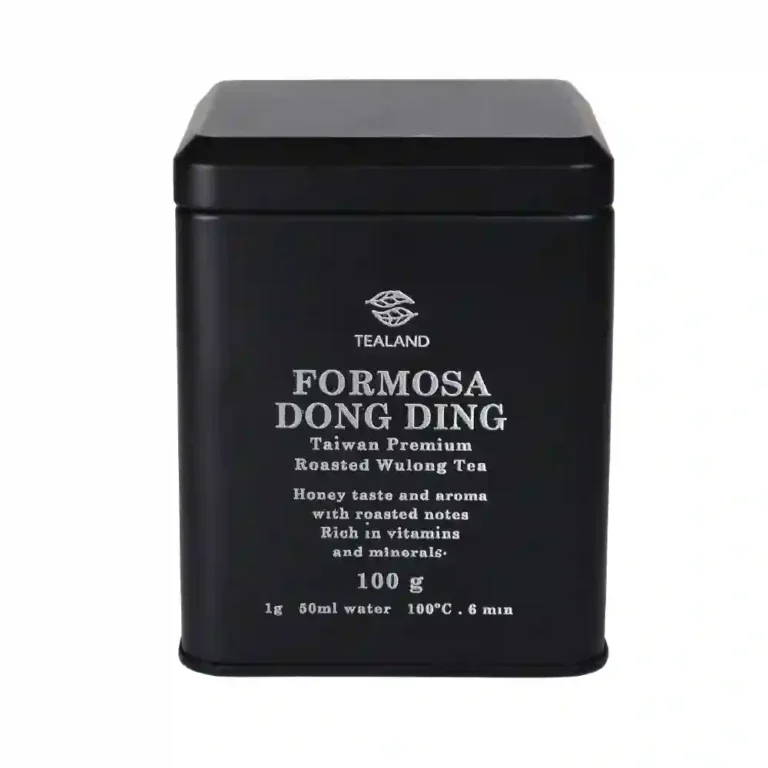
It sits between green and black tea in terms of oxidation (10-70% oxidized), creating unique polymerized polyphenols that don’t exist in either extreme. And in several head-to-head studies, oolong showed stronger metabolic effects than green tea.

Oolong beats green tea in energy expenditure

A crossover study with 12 healthy men compared oolong tea to plain water and caffeinated water. The results?

Oolong tea increased energy expenditure by 2.9%
that’s about 281 extra calories burned per day. It also increased fat oxidation by 12%. Another study with Japanese women found oolong tea increased cumulative energy expenditure by 10% over 120 minutes while green tea only managed 4% despite having twice the EGCG and caffeine content of the oolong.

Want to understand the key differences between these two powerhouses? Our oolong tea vs green tea comparison breaks down exactly how they stack up.

The fat oxidation happens even while you sleep

A 2020 study found that people drinking oolong tea showed ~20% increased fat oxidation during sleep after 14 days of consumption.

Imagine that. You’re literally lying in bed, doing nothing, and your body is preferentially using fat for fuel because you drank oolong tea earlier.

What the clinical trials show

Multiple studies measuring abdominal fat with imaging found oolong tea specifically targeted visceral fat which is the dangerous kind wrapped around your organs.

Brewing tip: Oolong tea leaves can be steeped multiple times—3 to 5 infusions from the same leaves. This actually makes it more economical than single-steep teas while maintaining the beneficial compounds.

White Tea: The Least Processed Option

White tea undergoes almost no processing. Just withering and drying. This minimal handling means white tea retains the highest catechin content of any tea type.

The catch? The research is incredibly thin. Until 2024, there were basically no human clinical trials on white tea and weight loss.

The first human trials just appeared

A 12-week study published in 2024 compared white tea against actual weight loss drugs (orlistat and metformin) in 54 obese patients.

The white tea group drank just 2 cups daily. They showed the highest decreases in anthropometric measurements of any group and were the only group with significant reductions in inflammatory markers—TNF-α, IL-6, and IL-1β all dropped. Their lipid profiles improved and hunger hormones changed favorably.

That’s… actually impressive for a beverage going head-to-head with pharmaceuticals. But it’s one study with 54 people, so temper expectations.

A pilot study the same year found 8.7% increased resting energy expenditure at 180 minutes after white tea consumption in 32 healthy women.

Lab studies hint at powerful mechanisms

The most cited white tea study tested extract on human fat cells in petri dishes. The extract significantly decreased fat storage, stimulated fat breakdown, and downregulated genes involved in creating new fat cells. An animal study comparing six tea types found white tea exhibited the strongest anti-obesity properties. But test tube results and mouse studies don’t always translate to humans.

The practical approach would be Use white tea as part of a rotation. Its delicate flavor makes it pleasant for afternoon drinking, it has less caffeine than green or oolong (about 15-30mg per cup), and the potential benefits are there even if the proof isn’t extensive yet.

Other Teas That May Support Weight Loss

Pu-erh tea undergoes post-fermentation, creating theabrownins—compounds that work primarily through your gut microbiome and bile acid metabolism. A 20-week study with 59 adults taking 3g daily showed significant weight loss averaging 1 kg with DEXA-confirmed fat loss. Another 12-week trial found visceral fat areas reduced on CT scan starting at week 8.

A 2019 study in Nature Communications figured out the mechanism involves suppressing specific gut bacteria that produce bile salt hydrolase, forcing your liver to make more bile acids and consuming cholesterol in the process. Be warned! Pu-erh is an acquired taste. Earthy, sometimes described as “musty.” But if you’re into fermented foods and long-term microbiome health, it’s worth trying.

Herbal “teas” like peppermint, chamomile, and rooibos aren’t actually tea.They don’t come from Camellia sinensis, so they lack the catechins and mechanisms we’ve been discussing.
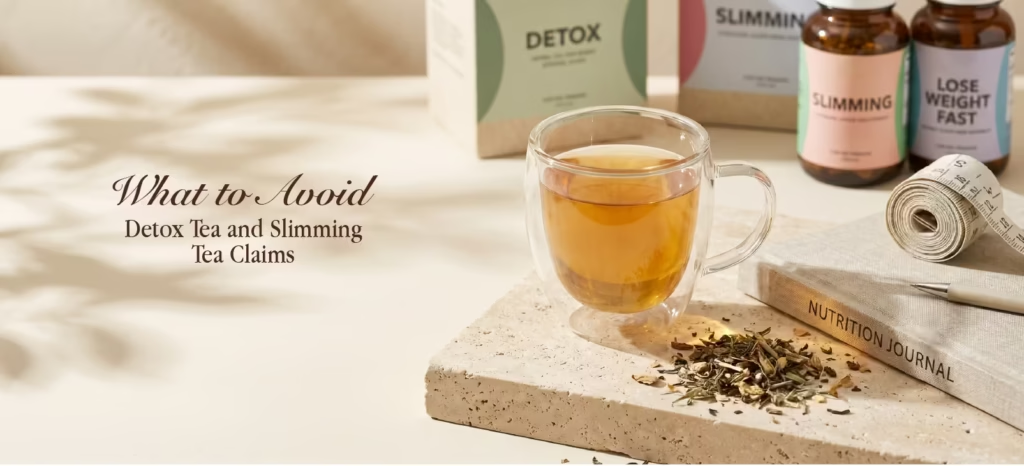
Detox Tea and Slimming Tea

What to Avoid: Detox Tea and Slimming Tea Claims

Walk into any health store and you’ll see “detox tea for weight loss” and “slimming tea” products promising rapid results. Many are laxative-based formulas that have nothing to do with the research we’ve covered.

Your liver and kidneys detox your body.

Tea doesn’t. Products marketed as detox teas often contain senna, cascara, or other herbal laxatives. You’ll lose water weight and waste, not fat. The scale goes down temporarily, then bounces right back when you rehydrate. Chronic laxative use can cause electrolyte imbalances, dependency, dehydration, and nutrient malabsorption. One woman developed liver failure from a “detox tea.” Others have ended up in emergency rooms with severe electrolyte disturbances. Red flags in tea marketing:
Legitimate tea for weight management is about modest metabolic support over months, not dramatic detoxing in days. Even products labeled as “slimming formula tea” should be approached with realistic expectations because they’re not magic solutions, and any legitimate product will be transparent about ingredients and realistic outcomes.

How to Use Tea for Weight Management (Practical Guide)

#1 - When to drink tea for best results

Morning works well for most people. The caffeine-catechin combo can boost your metabolic rate for several hours, and drinking tea before breakfast may enhance fat oxidation during morning activities.

Avoid drinking tea right before bed unless you’re using low-caffeine white tea. Even moderate caffeine intake in the evening can mess with sleep quality, and poor sleep sabotages weight loss more than any tea can fix.

#2 - Tea consumption patterns that actually work

Consistency beats intensity. Studies showing results used daily consumption for 12+ weeks. Most successful protocols involve:
Think of tea as increasing your baseline metabolic rate by 3-5%. That’s real, but it won’t overcome a terrible diet or sedentary lifestyle.

Beyond weight management, there are numerous other reasons to make tea a daily habit— explore the 7 health benefits of drinking tea every day to see what else you're gaining.

#3 - Combining tea with your overall weight loss plan

Tea + calorie deficit = better results than either alone. One meta-analysis found tea’s effects were more pronounced in people who were also reducing calories moderately.

Tea + exercise = significantly better fat loss. The exercise-enhancement effect is probably tea’s most reliable benefit.

Tea + adequate sleep + stress management. You can drink all the green tea in the world, but if you’re sleeping 5 hours a night and cortisol is through the roof, weight loss will be an uphill battle.

#4 - Don't add the calories back

Plain tea has essentially zero calories. The problem is what people add to it. A tablespoon of honey adds 64 calories. Two tablespoons of whole milk add 18 calories. Do that 4 times a day and you’ve just added 328 calories.

If you need sweetness, try stevia or monk fruit sweetener. If you need creaminess, try unsweetened almond milk (7 calories per tablespoon). Do note that high-quality Japanese green teas and oolongs often have natural sweetness and complexity that makes additions unnecessary.

Frequently Asked Questions

What is the best tea to use for weight loss?
Green tea has the strongest evidence, with multiple meta-analyses confirming modest but real weight loss effects of 1-2 kg over 12 weeks. For most people starting out, quality green tea with 3-5 cups daily is the safest bet.
Both green tea and oolong tea show the most consistent effects on visceral fat reduction in clinical trials. Green tea drinkers consuming 540-588mg of catechins daily showed 7.5 cm² visceral fat reduction on CT scans after 12 weeks. The key is combining tea with regular exercise—that’s when belly fat reduction becomes most noticeable.
Most successful studies used 3-5 cups of brewed tea daily, which provides roughly 500-800mg of catechins. Start with 2 cups daily for the first week to assess tolerance, then gradually increase. More isn’t always better—stay under 10 cups daily and watch for caffeine-related side effects.
The honest answer is: barely. Meta-analyses show green tea alone produces about 0.95 kg weight loss over 12 weeks. That’s statistically significant but not very noticeable. Studies combining tea with exercise showed 7-8% body fat reduction versus 0.3% with exercise alone. Tea amplifies your efforts—it doesn’t replace them.
🎯 The Bottom Line on Tea and Weight Loss

So which tea is good for weight loss? Green tea if you want the research to back you up. Oolong if you’re after stronger metabolic effects with less volume. Pu-erh or black tea if you’re playing the long microbiome game. But here’s what matters more than which variety you choose: actually drinking it consistently for months, not days.

The research is pretty clear about realistic expectations. You’re looking at 1-2 kg weight loss over 12 weeks with tea consumption. Your waist might shrink by a centimeter or two. Visceral fat reduction seems more reliable than overall weight loss, which is actually good news for your metabolic health.

Tea won’t compensate for a poor diet. It won’t replace exercise. It definitely won’t give you dramatic before-and-after photos in two weeks. What tea can do is give you a small but real metabolic edge. It can increase your fat burning during workouts by 10-16%. It might help reduce that stubborn visceral belly fat by supporting your body’s natural fat oxidation processes.

Think of tea as raising your baseline—a 3-5% boost in daily calorie burn, enhanced fat metabolism, potentially better appetite regulation. Those small percentages add up over months when combined with consistent healthy habits. The best tea for weight loss is the one you’ll actually drink every day. If that’s a smooth oolong, great. If it’s a grassy Japanese green tea, perfect. If you prefer rotating through different varieties to keep things interesting, that works too.

Looking for high-quality loose leaf teas to support your weight management goals? Tealand offers over 500 premium tea varieties including Japanese green teas, traditional oolong teas, and aged pu-erh. Visit one of our six Dubai and Al Ain locations or shop online for delivery across the UAE.

Leave a Reply

Your email address will not be published. Required fields are marked *

GET 10% OFF ON SIGNUP!

Best Selling Range:

Related Articles